What Is Wet Sanding?
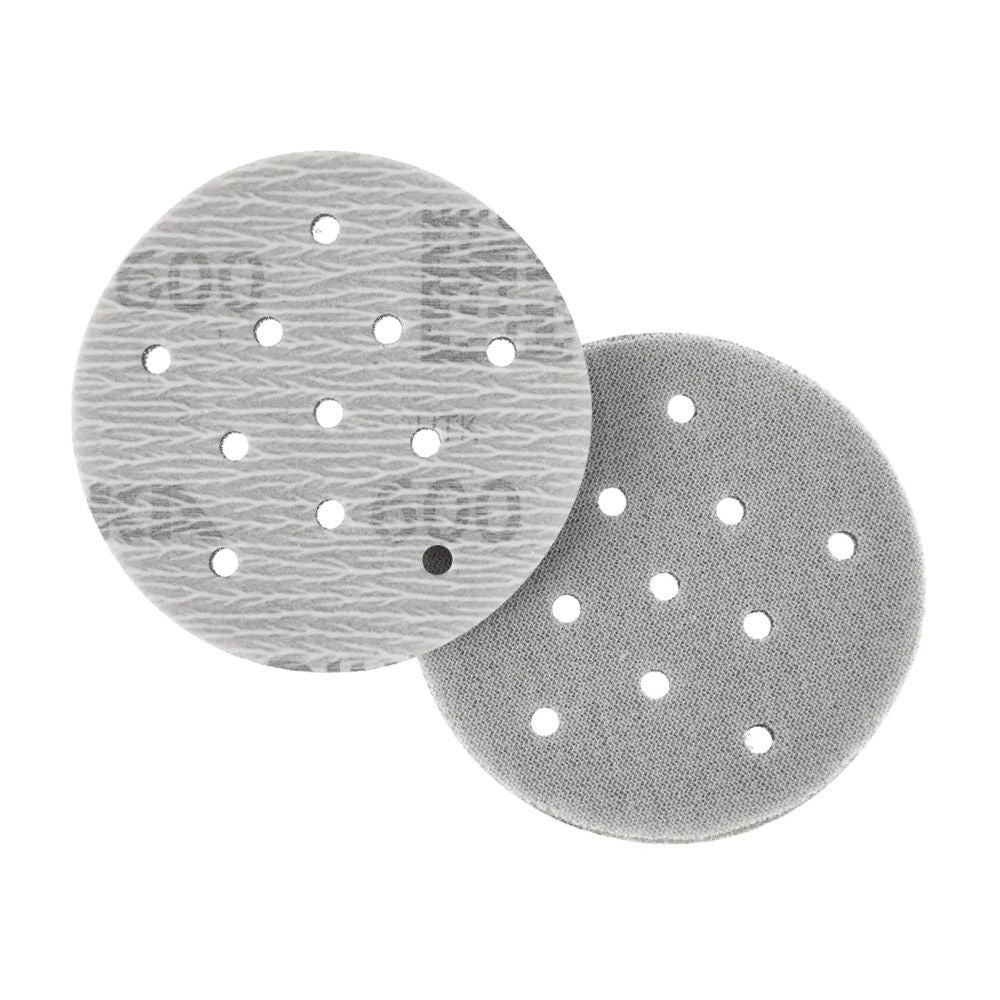
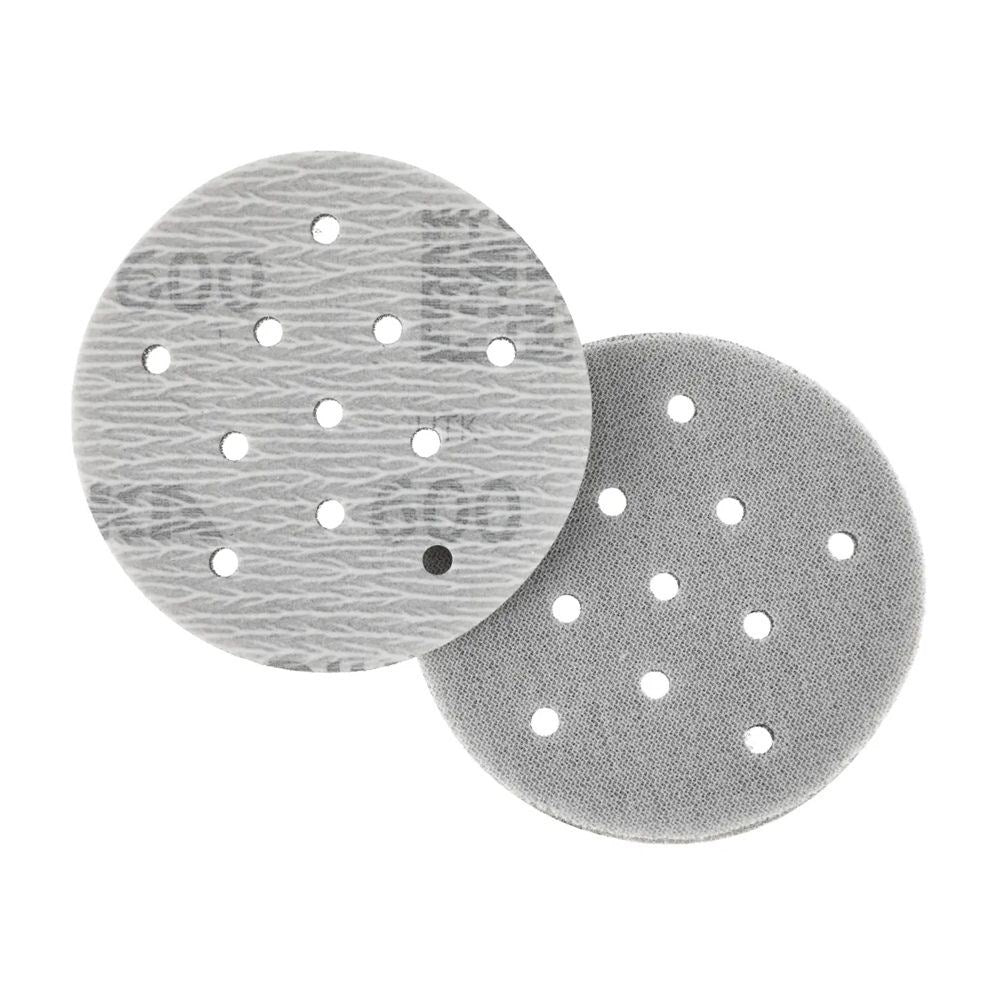
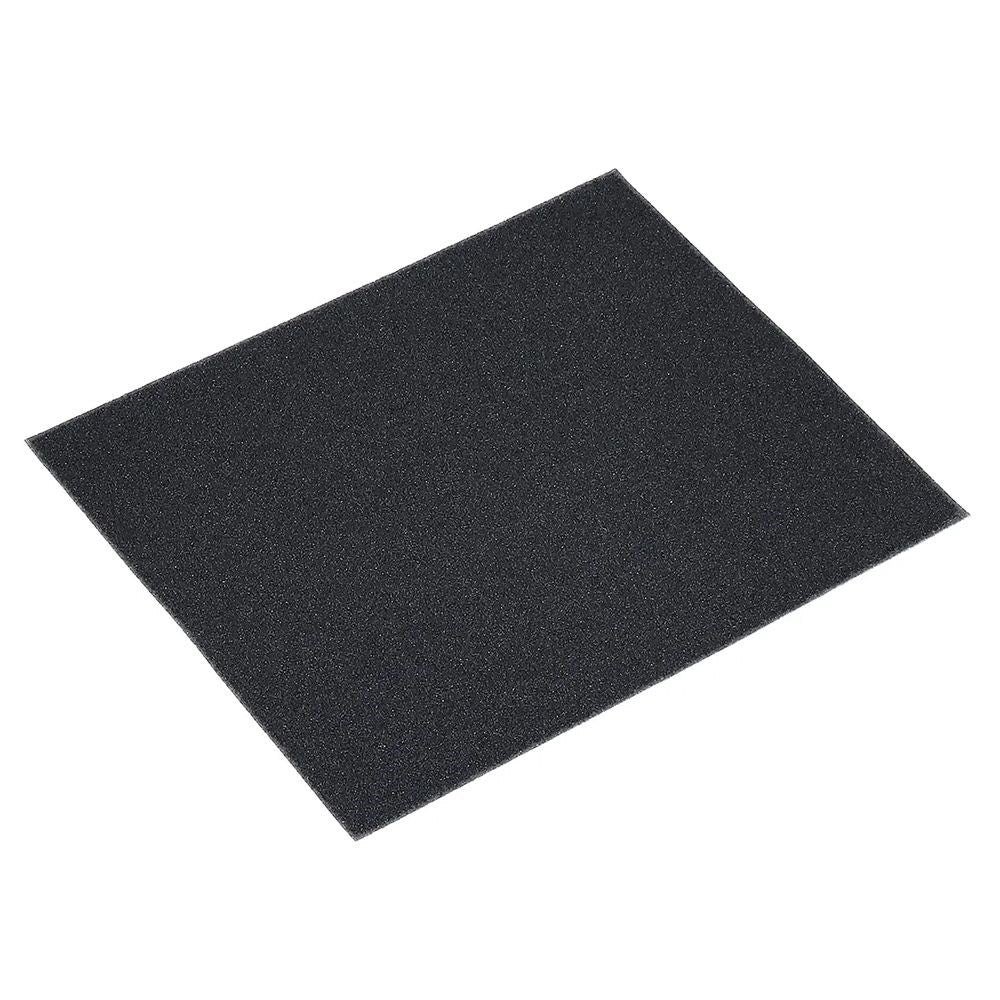
Wet sanding uses very fine abrasive discs or paper, lubricated with water, to level the surface of the clear coat. It removes much more material than polishing, so it's used for specific problems: orange peel texture, runs, dust nibs, and scratches too deep for a compound. The sanding leaves a uniform haze that's then removed with a cutting compound and finishing polish.
When Is Wet Sanding Needed?
-
Orange peel: a textured, dimpled finish common on factory paint and resprays.
-
Runs and sags in fresh paint or clear coat.
-
Dust nibs and trapped contamination in a respray.
-
Isolated deeper scratches that compounding won't remove, where there's enough clear coat.
Choosing a Sanding Grit
| Grit range |
Typical use |
What follows |
| Around 1500 to 2000 |
Levelling runs, heavy orange peel and nibs |
Finer grits, then compound and polish |
| Around 2500 to 3000 |
Refining earlier sanding; lighter orange peel |
Compound, then polish |
| Around 5000 and finer |
Final refinement to make compounding faster |
Compound or heavy polish, then finish |
Start with the finest grit that will remove the defect, and refine through finer grits before compounding.
Wet Sanding: Know the Risks
Wet sanding removes clear coat quickly, and factory clear coat is thin. Sanding through it means a respray. This is an advanced technique: measure paint thickness with a paint depth gauge where possible, stay away from edges and body lines, and practise on a scrap panel first. If you're new to it, our training and events or a professional detailer are the safest starting point.
How to Wet Sand Car Paint
-
Wash, decontaminate and inspect the paint under strong lighting.
-
Mask edges and trim with detailing tape.
-
Soak or mist the abrasive and keep the surface wet throughout.
-
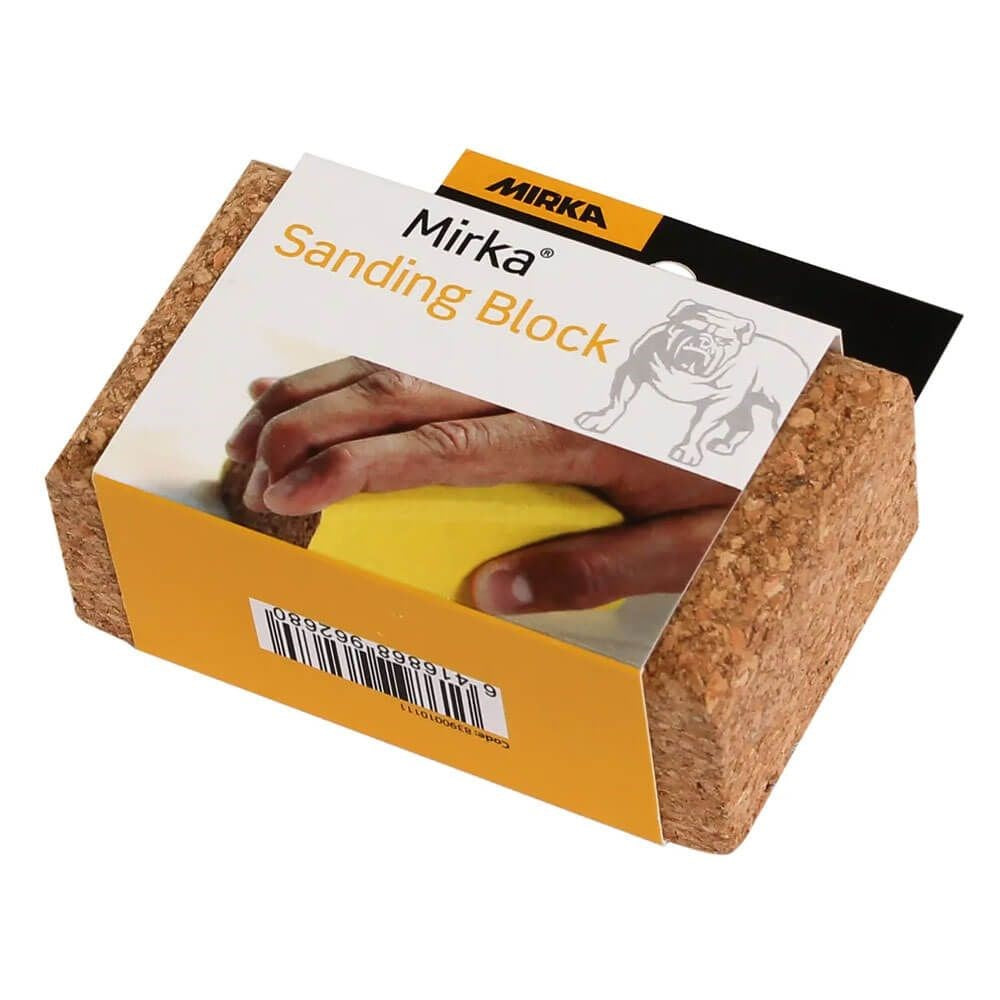
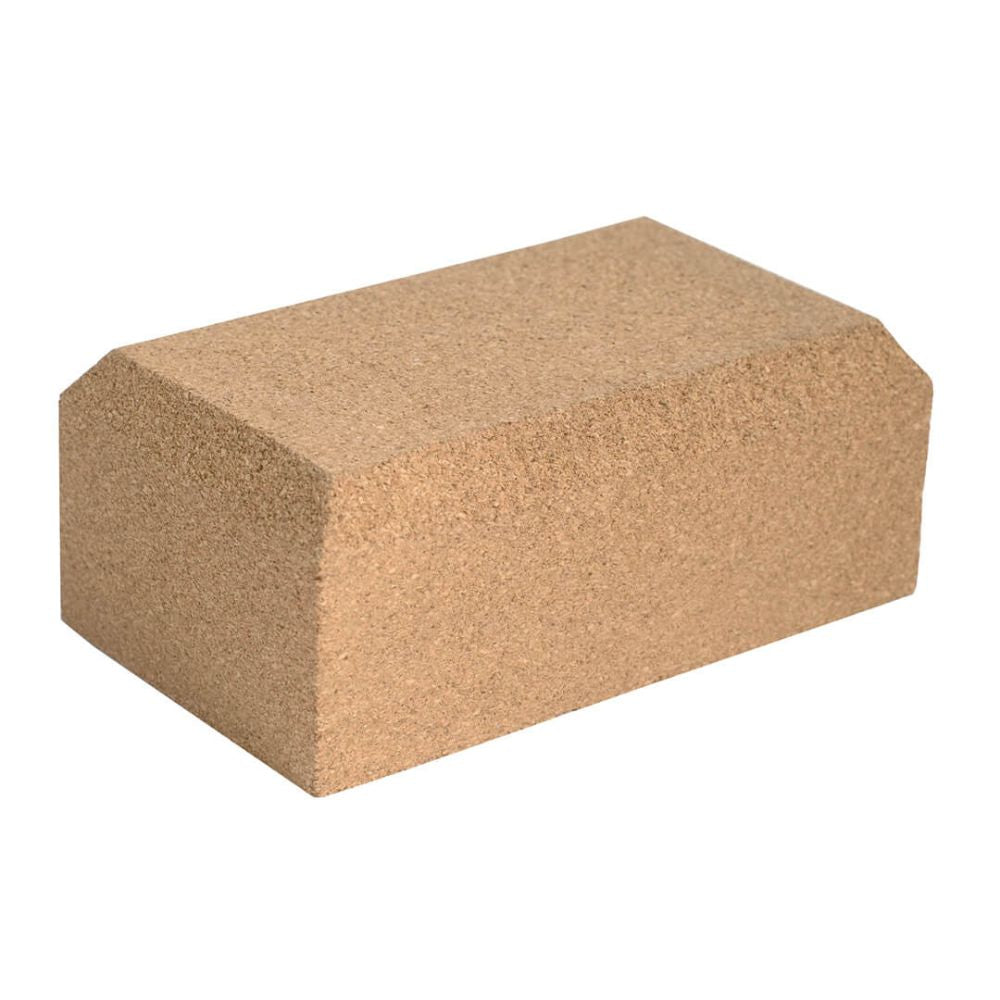
Sand with light, even pressure, using a DA machine with a soft interface or a hand block, checking your progress often.
-
Refine through finer grits until the scratch pattern is uniform.
-
Compound and polish with a cutting compound and finishing polish to restore full gloss.
-
Protect the paint once it's finished.
Why Buy Sanding Discs From Car Care Products Australia?
Car Care Products Australia has supplied detailing products to enthusiasts and professional detailers since 2007. We're the official Australian distributor for GYEON and stock sanding discs and abrasives from leading brands, including Mirka and SIA Abrasives. Not sure which is right for you? Visit our showrooms in Leichhardt, Sydney or Murarrie, Brisbane, call 1300 006 007, or contact our team. Free shipping on orders over $150 (conditions apply).
Wet Sanding FAQs
What is wet sanding a car?
Wet sanding uses very fine, water-lubricated abrasives to level the clear coat, removing orange peel, runs, dust nibs and deeper scratches. It leaves a haze that's then removed by compounding and polishing.
What grit should I use to wet sand a car?
Use the finest grit that removes the defect. Runs and heavy orange peel may start around 1500 to 2000 grit, followed by 2500 to 3000, and often a finer grit such as 5000 before compounding and polishing.
Can I wet sand with a DA polisher?
Yes. Many detailers use a dual action machine with foam-backed sanding discs and a soft interface pad for even, controlled sanding. Use light pressure, keep the surface wet and check your progress often.
Is wet sanding safe for car paint?
It's safe in experienced hands, but it removes clear coat quickly and there's no way to put it back. Measure paint thickness where possible, avoid edges and body lines, and practise on a scrap panel first.
Do I need to polish after wet sanding?
Yes. Wet sanding leaves a uniform haze. A cutting compound removes the sanding marks, and a finishing polish restores full gloss and clarity. Always protect the paint afterwards.
Can wet sanding remove deep scratches?
It can remove scratches that sit within the clear coat, if there's enough clear coat to spare. Scratches that reach the base colour or primer can't be sanded out and need a paint repair.