What Does an Iron Remover Do?
An iron remover, also called a fallout remover or de-ironizer, is a chemical decontamination spray that reacts with ferrous (iron) particles and dissolves them so they can be rinsed away. These particles come mainly from brake dust, plus rail dust and industrial fallout. They're often invisible, but they make paint feel rough, cause tiny orange rust spots on light-coloured cars, and can eventually corrode the clear coat.
Why Does Iron Remover Turn Purple?
Most iron removers change colour, usually to purple or red, when they react with iron particles. This "bleeding" effect shows where contamination is being dissolved. More colour means more iron on the surface. It's most dramatic on wheels, rear bumpers, lower doors and the panels behind each wheel.
What Makes the Best Iron Remover?
-
Fast, visible reaction: a clear colour change shows the product is working.
-
Clings to the surface: a thicker formula gives it time to react on vertical panels.
-
pH-balanced and acid-free: safe on paint, clear-coated wheels and most coatings.
-
Versatile: suitable for paint, wheels and glass.
-
Manageable odour: iron removers have a distinctive smell, and some formulas are milder than others.
Iron Remover for Paint vs Wheels
| Surface |
Why iron builds up |
What to use |
How often |
| Paint |
Brake dust and industrial fallout settle and bond |
A paint-safe iron remover |
Every few months, and before claying, polishing or coating |
| Wheels |
Hot brake dust bakes onto the wheel face and barrel |
An iron remover or an iron-reactive wheel cleaner |
As often as needed, often every wash on performance cars |
| Glass |
Fallout settles on horizontal glass |
A glass-safe iron remover (check the label) |
Before glass polishing or glass sealant |
How to Use an Iron Remover
-
Wash the car first, then work in the shade on a cool surface.
-
Spray the iron remover liberally onto dry or towel-dried panels and wheels.
-
Wait for the colour change, usually a few minutes, or as the label directs. Never let it dry.
-
Agitate stubborn areas gently with a soft mitt or wheel brush.
-
Rinse thoroughly with a hose or pressure washer.
-
Follow with clay for a fully decontaminated surface, then protect.
Wear gloves, keep iron remover off hot brake discs and panels, and rinse away any overspray on surrounding surfaces.
Iron Remover vs Clay Bar
They do different jobs, and work best together. An iron remover dissolves iron chemically without touching the paint. Detailing clay mechanically removes other bonded contamination such as overspray and sap. Use the iron remover first so the clay has less to do. Read our guide on iron remover vs clay bar.
Complete Your Decontamination
For a fully prepared surface, pair your iron remover with a bug and tar remover, detailing clay and a panel wipe before polishing or coating. For wheels, see our wheel cleaners.
Why Buy Iron Remover From Car Care Products Australia?
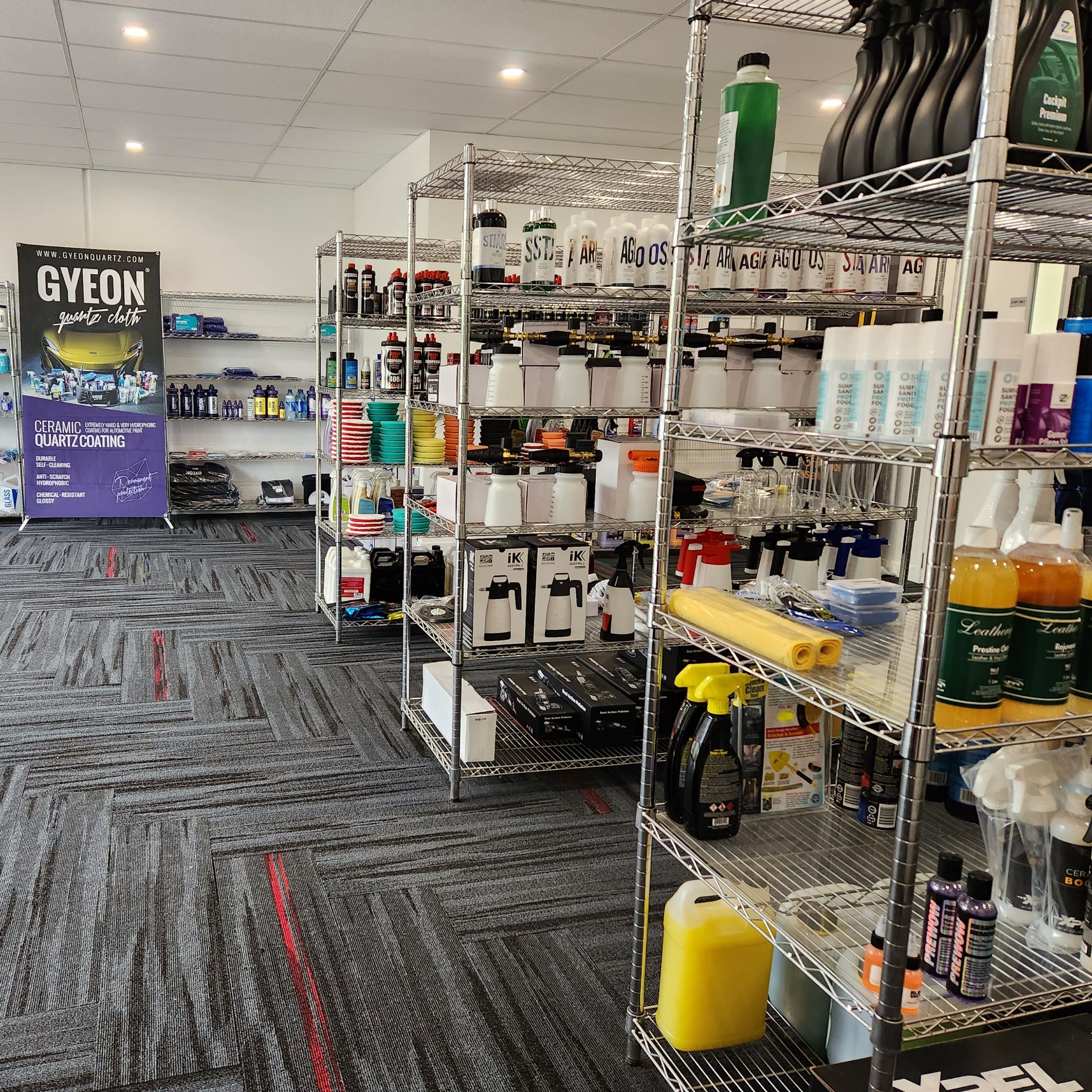
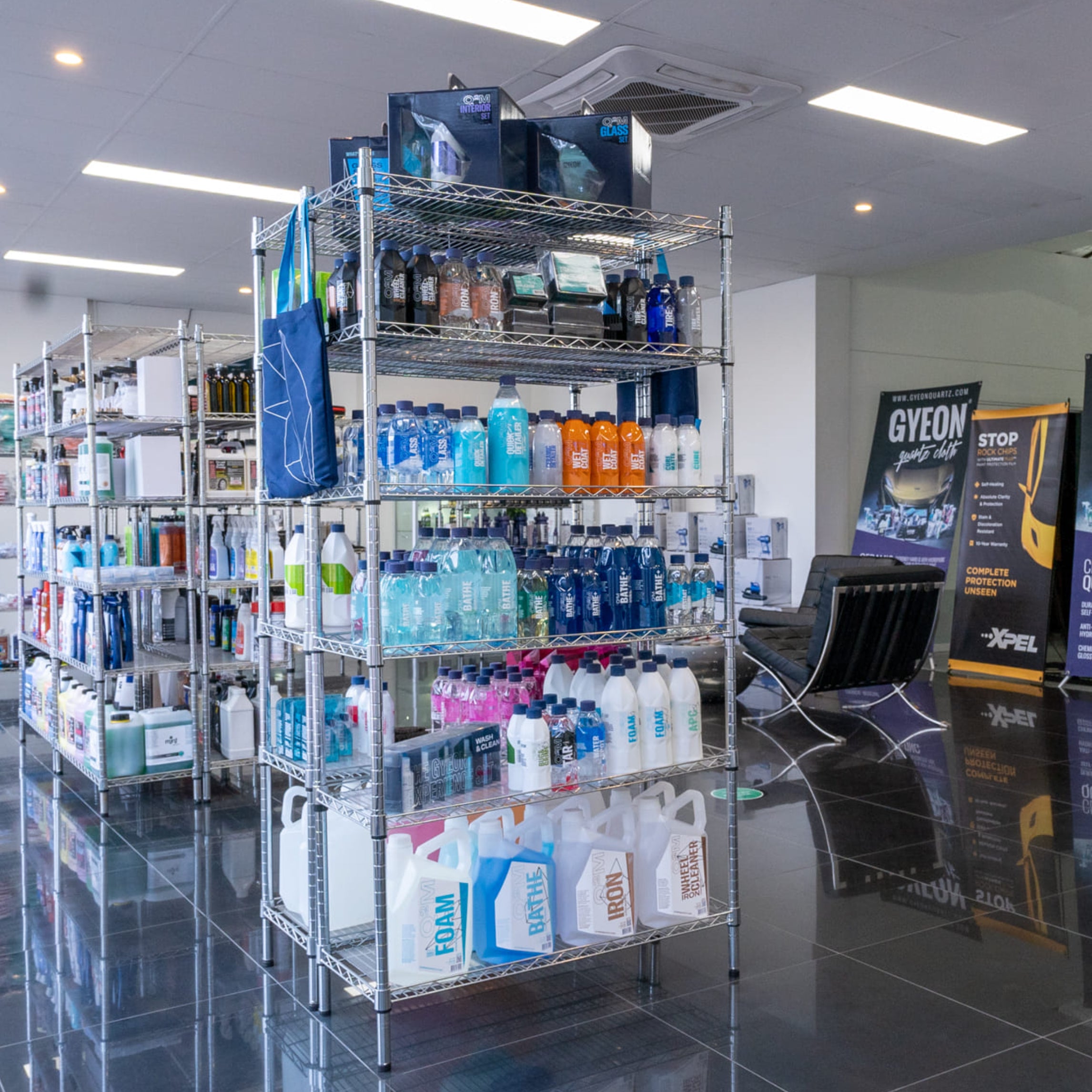
Car Care Products Australia has supplied detailing products to enthusiasts and professional detailers since 2007. We're the official Australian distributor for GYEON and stock iron and fallout removers from leading brands, including Gtechniq, Dodo Juice and P&S. Not sure which is right for you? Visit our showrooms in Leichhardt, Sydney or Murarrie, Brisbane, call 1300 006 007, or contact our team. Free shipping on orders over $150 (conditions apply).
Iron Remover FAQs
What does an iron remover do?
An iron remover chemically dissolves ferrous particles, such as brake dust, rail dust and industrial fallout, that embed in paint and wheels. The dissolved contamination rinses away, leaving a smoother, cleaner surface that's ready for clay, polish or protection.
What is the best iron remover?
The best iron remover reacts quickly with a clear colour change, clings to vertical panels, and is pH-balanced and acid-free so it's safe on paint, wheels and coatings. Choose one that's suitable for both paint and wheels for the most versatility.
Why does iron remover turn purple?
Iron removers contain an active ingredient that changes colour, usually to purple or red, when it reacts with iron particles. The colour shows where contamination is being dissolved; more colour means more iron on the surface.
Is iron remover safe on ceramic coatings?
pH-balanced, acid-free iron removers are generally safe on ceramic coatings and are often used to decontaminate coated cars. Check the label, work on a cool surface and rinse thoroughly.
How often should I use an iron remover?
Use an iron remover on paint every few months, and always before claying, polishing or applying a ceramic coating. Wheels may need it more often, especially on cars with high brake dust.
Should I use iron remover before or after clay?
Before. The iron remover dissolves iron particles chemically, so your clay has less contamination to remove, lasts longer and is less likely to drag particles across the paint.
Why does iron remover smell so bad?
The active ingredient that reacts with iron has a strong, sulphur-like smell. It's normal and fades once the product is rinsed away. Work in a well-ventilated area, and look for lower-odour formulas if the smell bothers you.
Can I use iron remover on wheels?
Yes. Wheels collect the most iron contamination from brake dust, and iron removers are very effective on them. Use a product that's safe for your wheel finish, keep it off hot brake discs, and rinse thoroughly.
What are the orange spots on my white car?
Tiny orange or rust-coloured spots on light-coloured paint are usually embedded iron particles that have started to oxidise. An iron remover dissolves them, and clay removes any that remain.