
Bug & Tar Remover
Looking for the best bug and tar remover? Baked-on bugs, road tar, tree sap and bird droppings bond to your paint and won't shift with car shampoo alone, and left too long, they can stain and etch the clear coat. Shop bug removers that soften insect residue before your wash, and tar and bitumen removers that dissolve sticky road contamination safely.
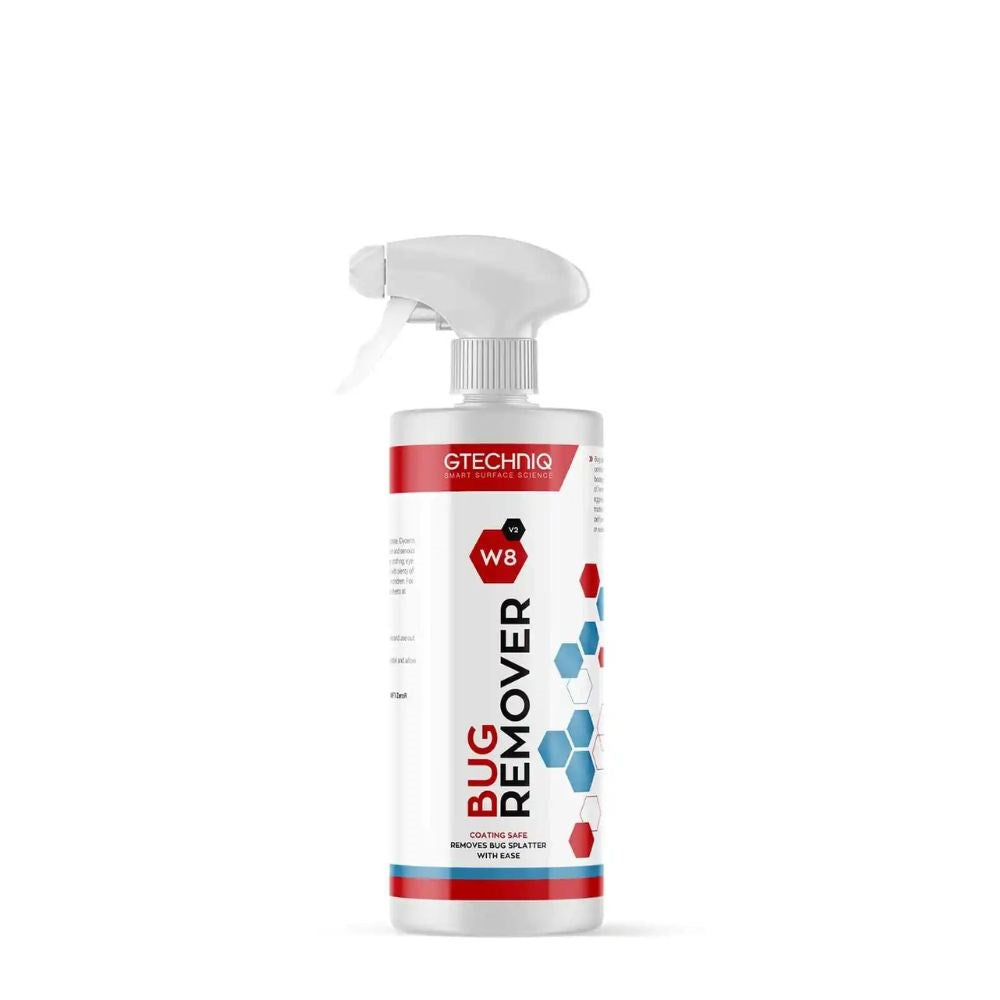
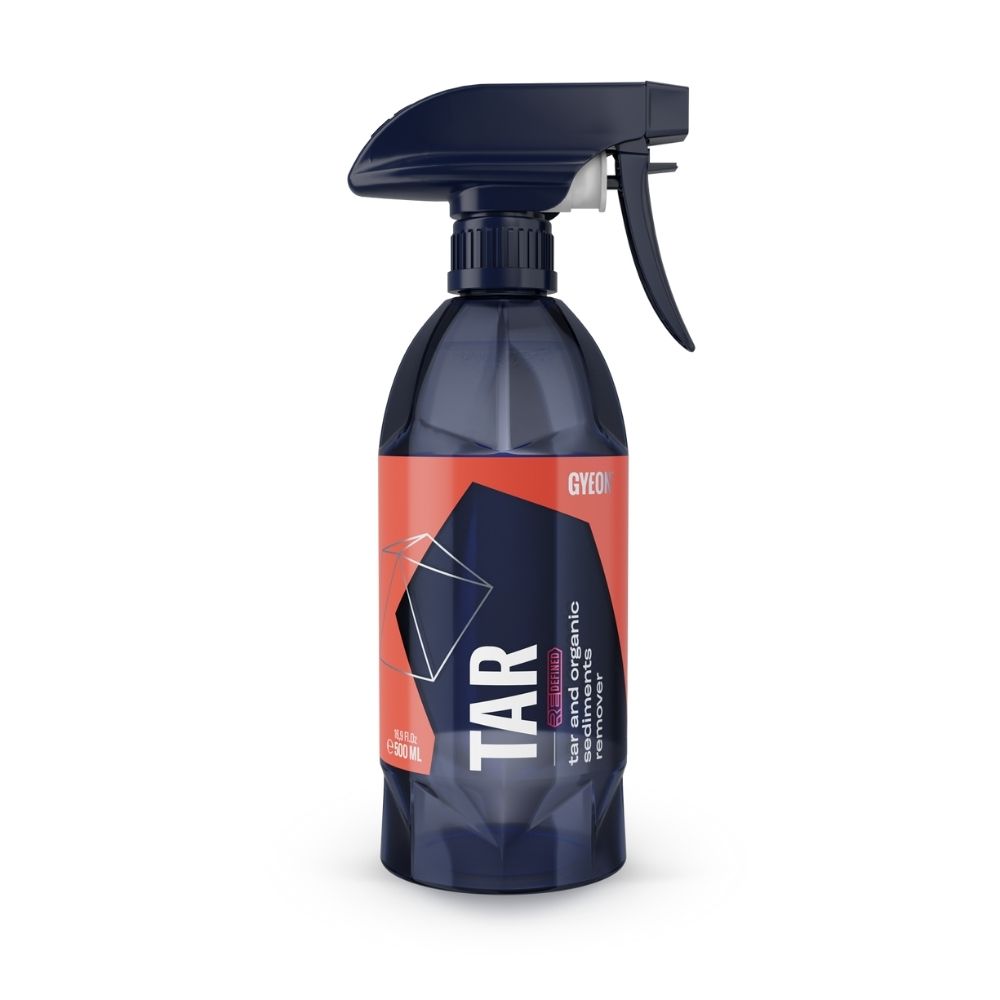
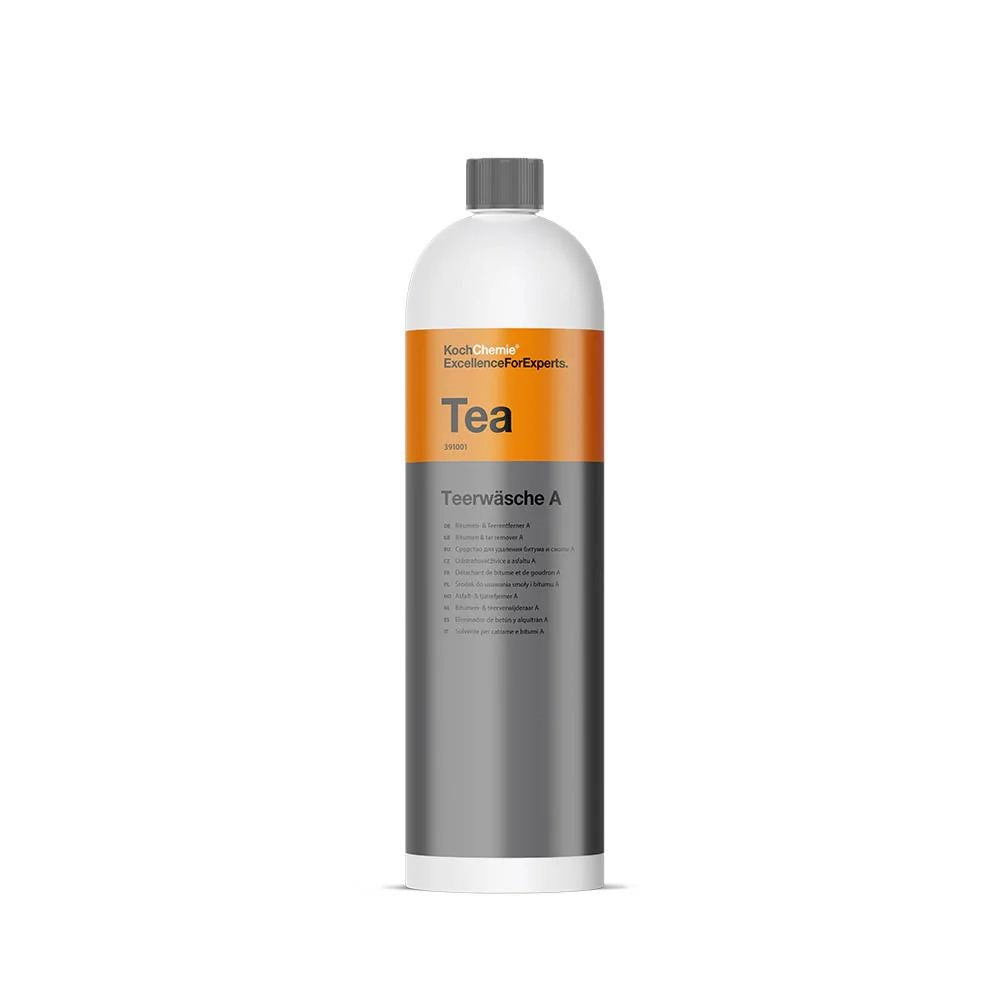

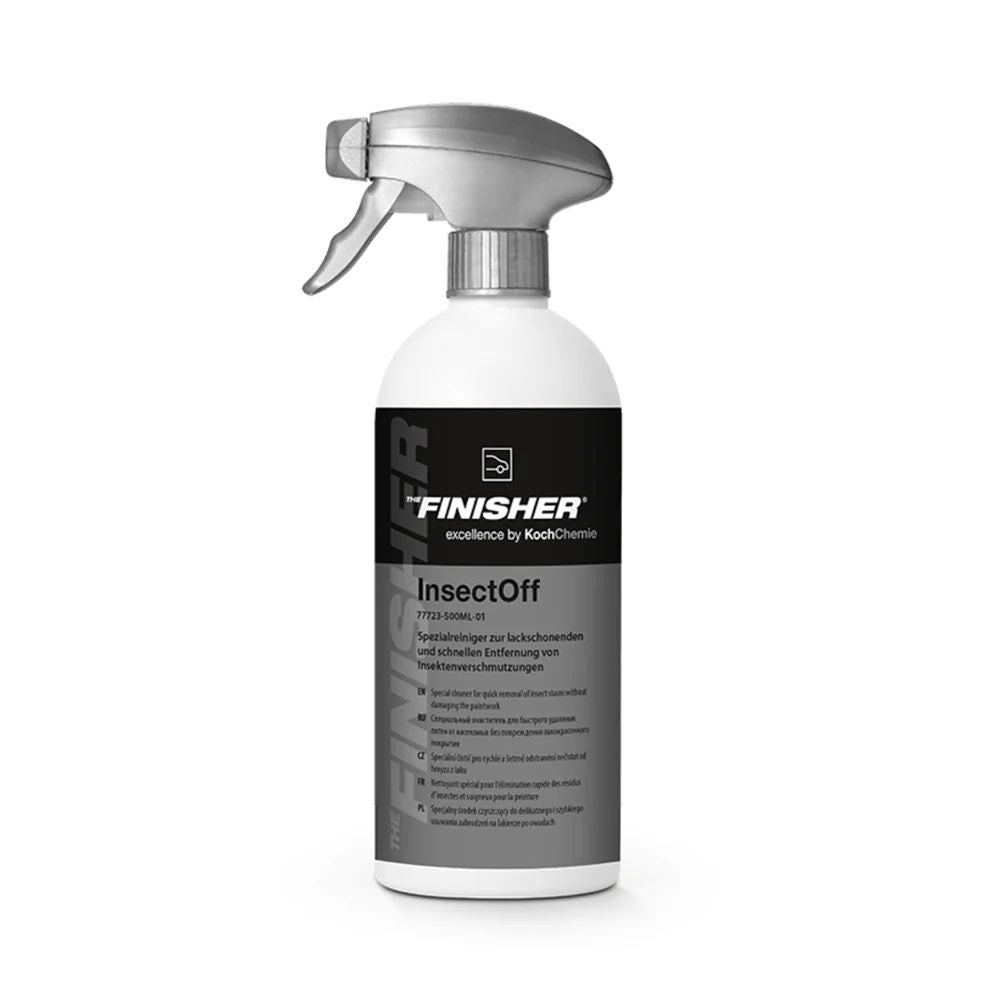
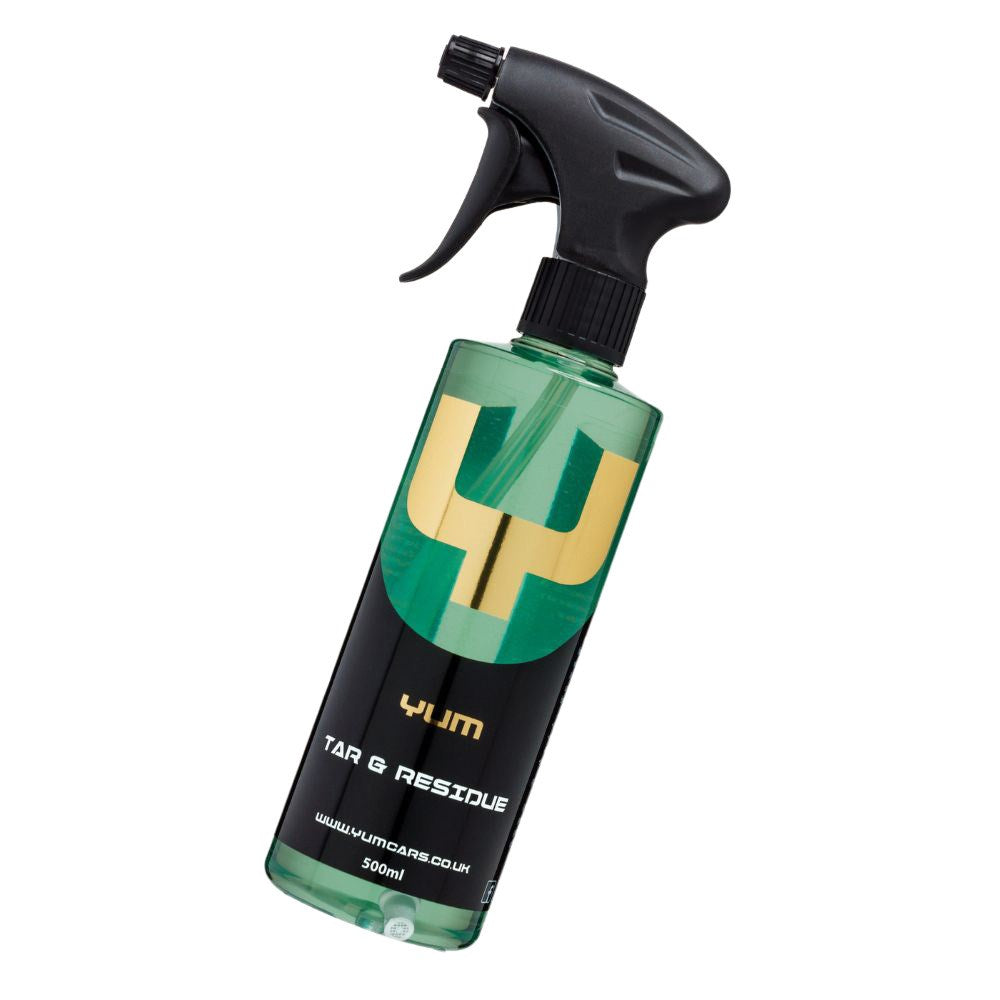
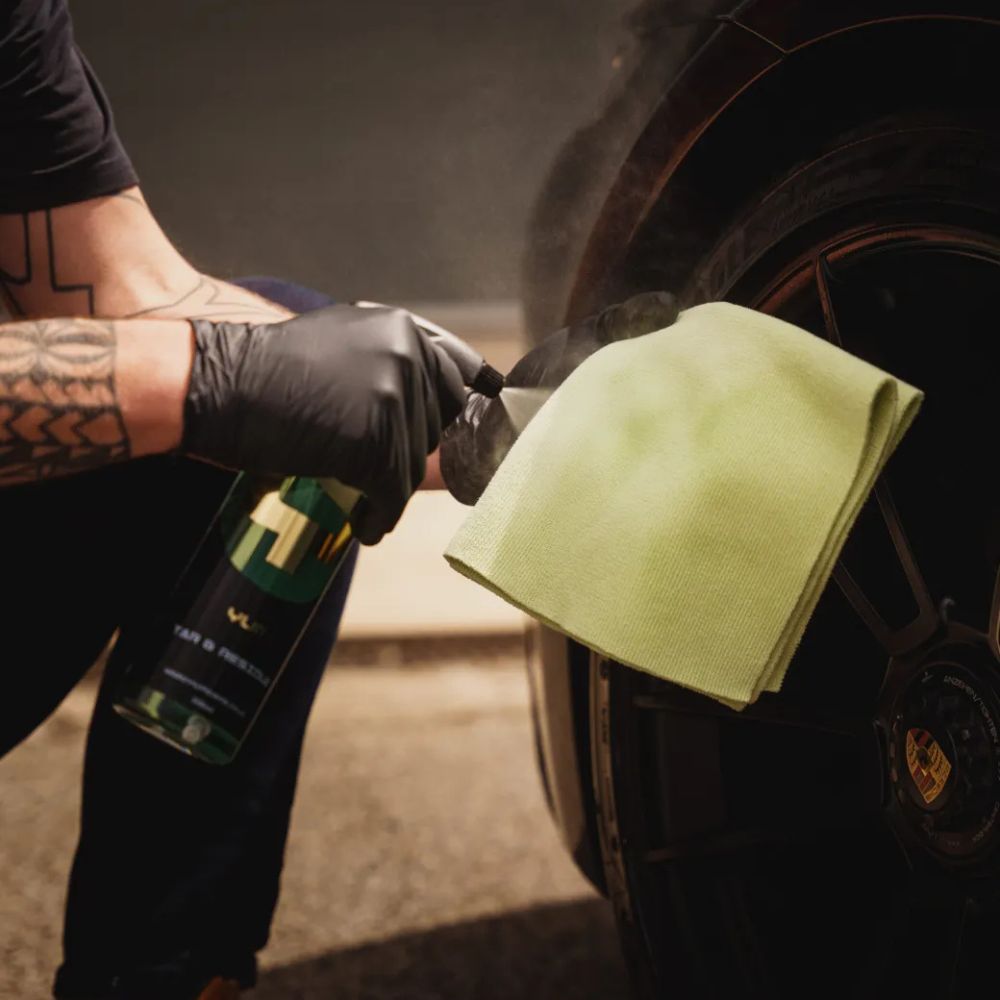
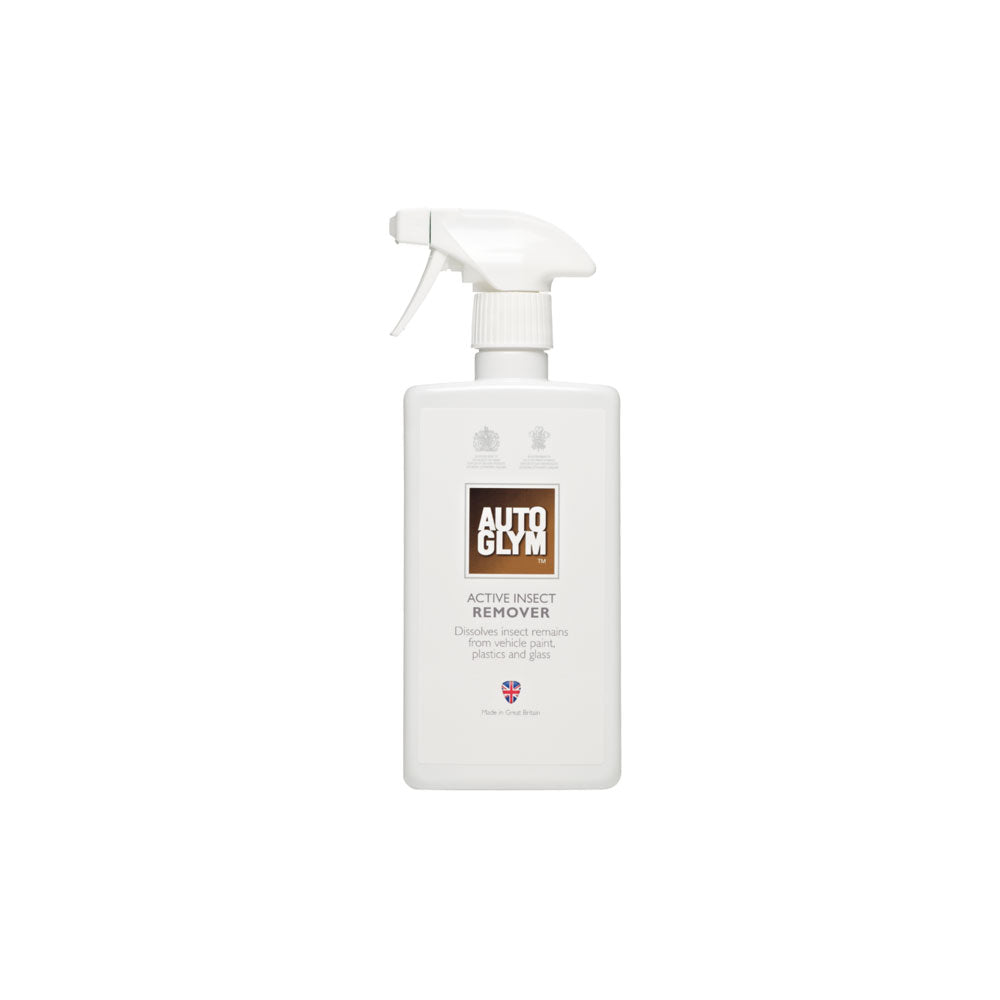
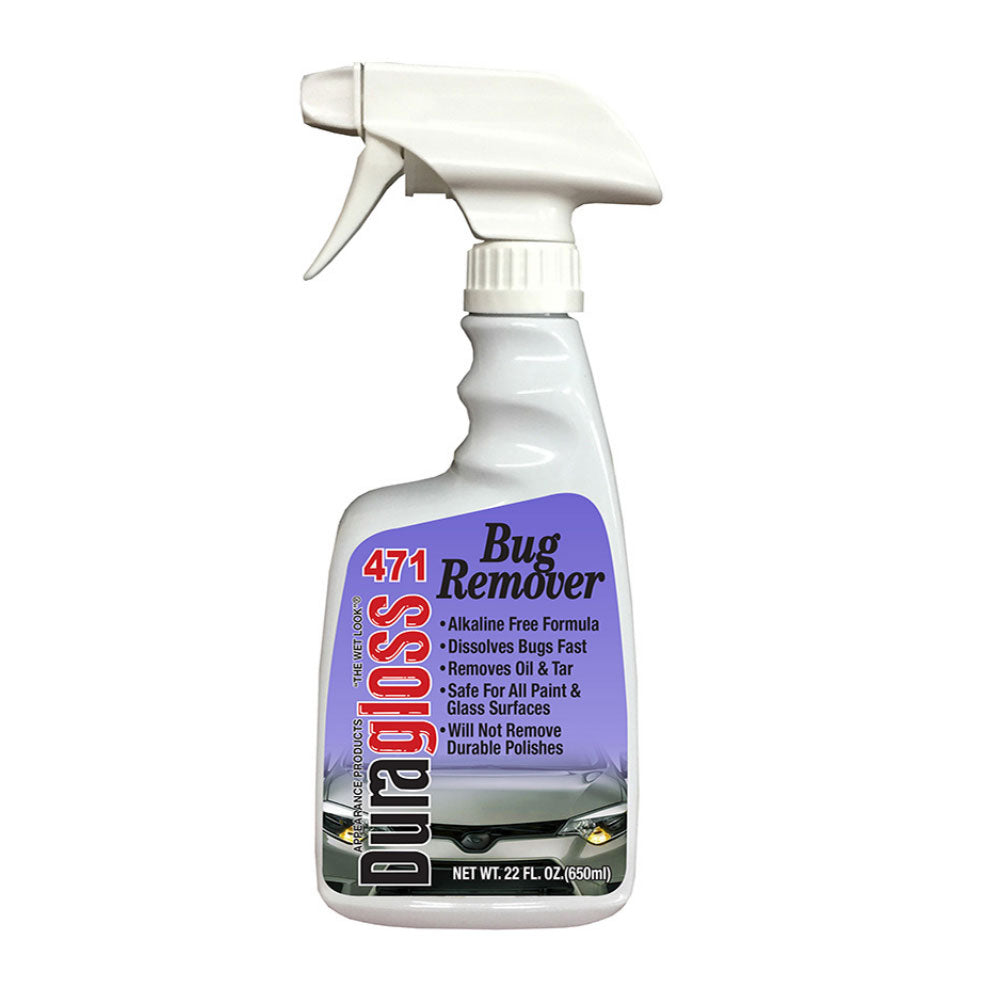
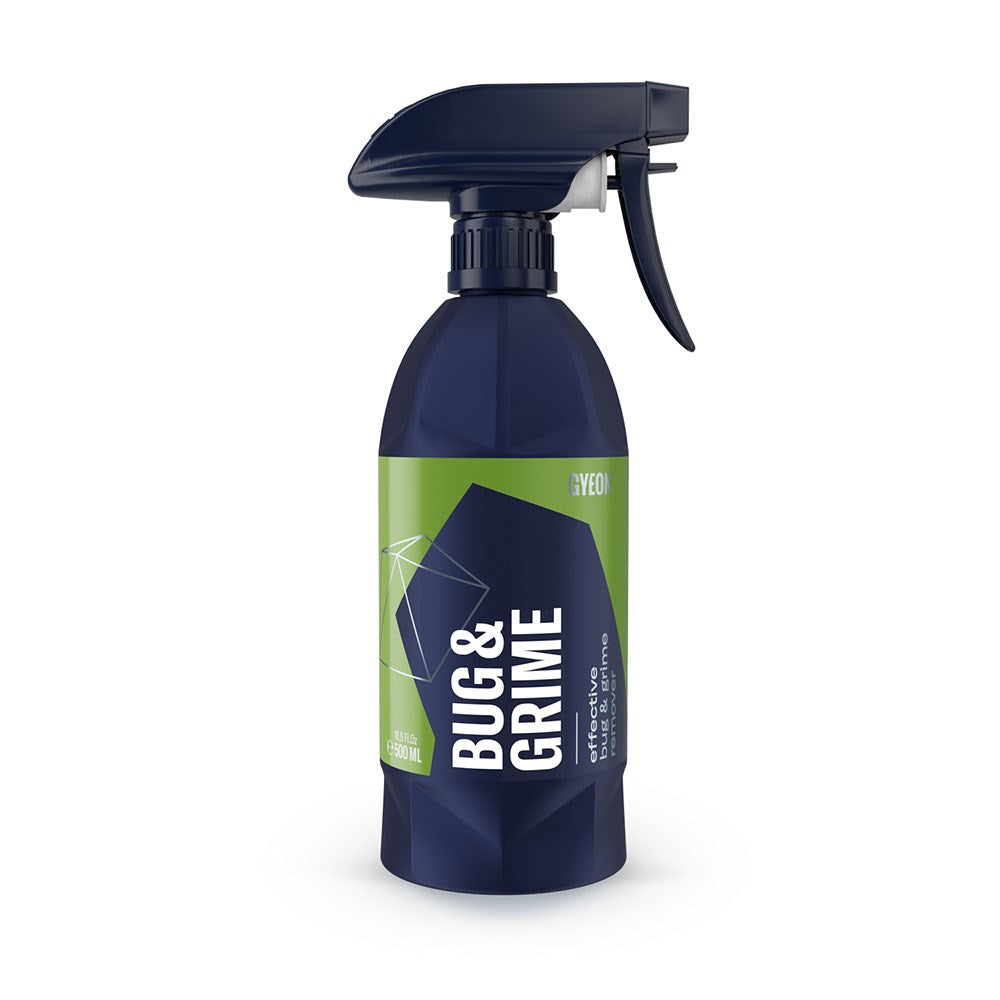
What Is a Bug and Tar Remover?
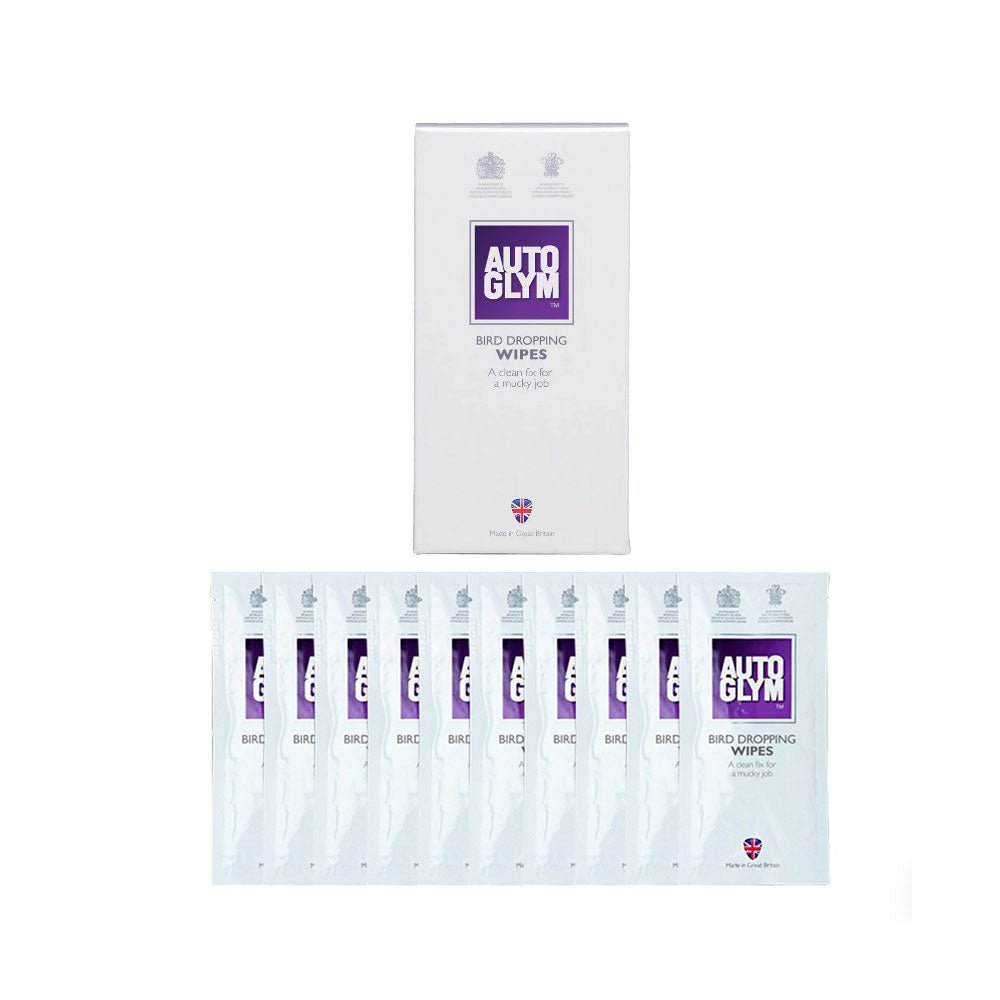
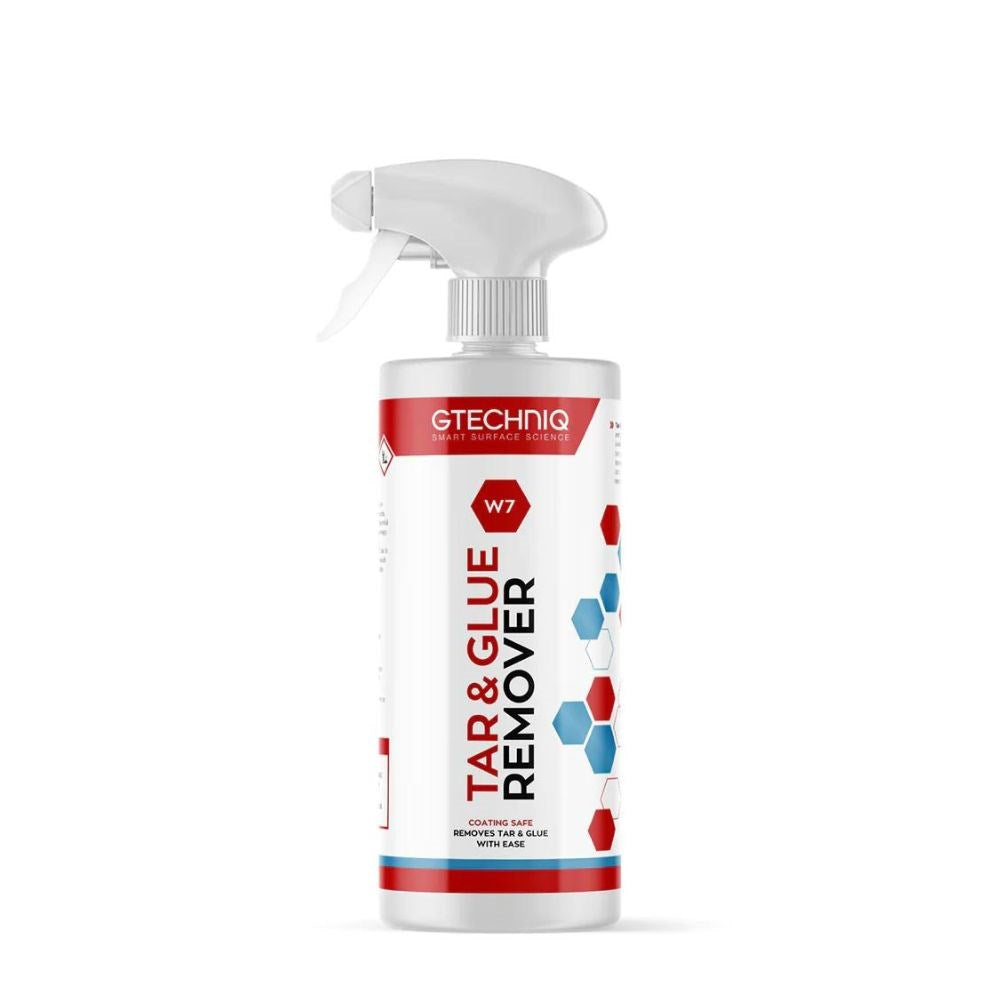
A bug and tar remover is a specialist cleaner that breaks down contamination a normal wash can't remove. Bug removers rehydrate and soften dried insect residue so it rinses away without scrubbing. Tar removers use solvents to dissolve road tar, bitumen, adhesive residue and oily grime, usually found on lower panels, behind the wheels and on the rear bumper.
Why Remove Bugs and Tar Quickly?
- Bug residue is acidic: in hot Australian weather it can etch into clear coat within days, leaving permanent marks.
- Tar spots bond hard: the longer they sit, the harder they are to remove without scrubbing.
- Contamination blocks protection: wax, sealant and coatings can't bond over tar or bug residue.
- Scrubbing causes scratches: a dedicated remover lets the chemistry do the work instead of your mitt.
Bug Remover vs Tar Remover
| Product type | What it removes | How it works | When to use it |
|---|---|---|---|
| Bug remover | Insect splatter, bird droppings, light grime | Softens and rehydrates organic residue | As a pre-wash on the front end after highway driving |
| Tar and bitumen remover | Road tar, bitumen, adhesive residue, oily film | Solvents dissolve petroleum-based deposits | On lower panels and wheel arches, before polishing |
| Bug and grime pre-cleaner | Bugs plus general road grime | Mild cleaner that loosens contamination before washing | As part of a regular pre-wash routine |
What Makes the Best Bug and Tar Remover?
- Works without scrubbing: it softens contamination so it rinses or wipes away easily.
- Clings to vertical panels: a gel or thicker spray gives it time to work.
- Protection-friendly: many bug removers won't strip wax, sealant or ceramic coating (check the label).
- Surface-safe: suitable for paint, glass, plastic and chrome.
- Rinses clean: no oily film left behind to interfere with washing or protection.
How to Remove Bugs From Your Car
- Work in the shade on a cool surface.
- Spray bug remover generously onto the front bumper, grille, mirrors, number plate and windscreen.
- Let it dwell for the time on the label so it can soften the residue. Don't let it dry.
- Rinse thoroughly, or pre-wash with snow foam.
- Wash as normal with car wash shampoo. Gently agitate any stubborn spots with a soft mitt.
How to Remove Tar From Car Paint
- Wash and dry the car first so you're not rubbing grit into the paint.
- Apply tar remover directly to the tar spots, or onto a microfibre cloth.
- Allow a short dwell so the tar softens and starts to dissolve.
- Wipe gently with a clean microfibre cloth. Don't scrub. Repeat on stubborn spots.
- Wash the area again to remove solvent residue, then re-apply protection.
Tar removers are solvent-based, so test on an inconspicuous area first, and check the label before using them on paint protection film, vinyl wraps, fresh paint or sensitive plastics.
Removing Tree Sap and Bird Droppings
Fresh bird droppings and tree sap should be removed as soon as possible. Soak droppings with bug remover or a quick detailer to soften them, then lift away gently. Hardened sap may need a tar remover or detailing clay.
Part of a Complete Decontamination
Bug and tar removal is the first step in paint decontamination. For a fully clean surface before polishing or coating, follow up with an iron remover, detailing clay and a panel wipe. Read our guide to the best bug and tar removers.
Why Buy Bug and Tar Remover From Car Care Products Australia?
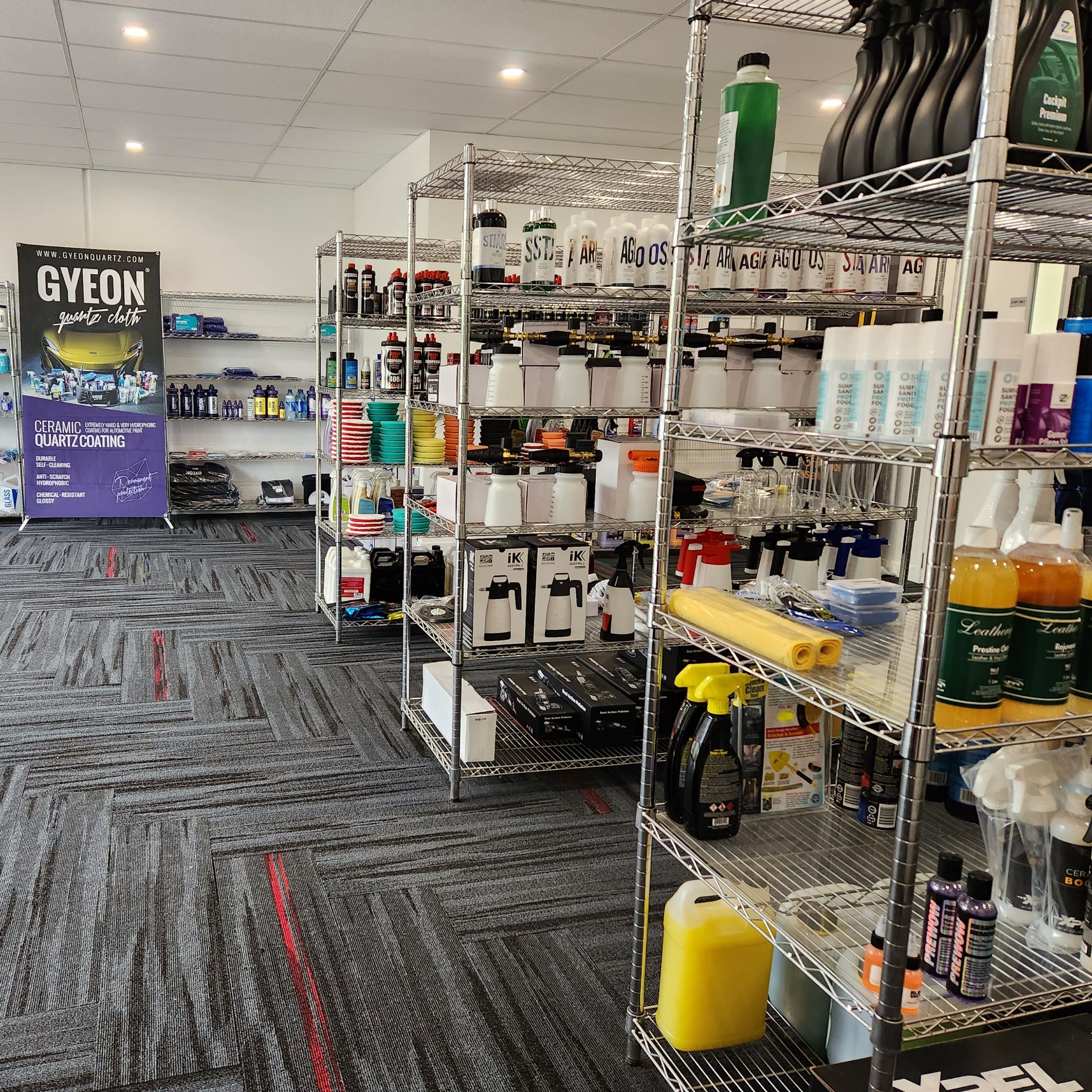
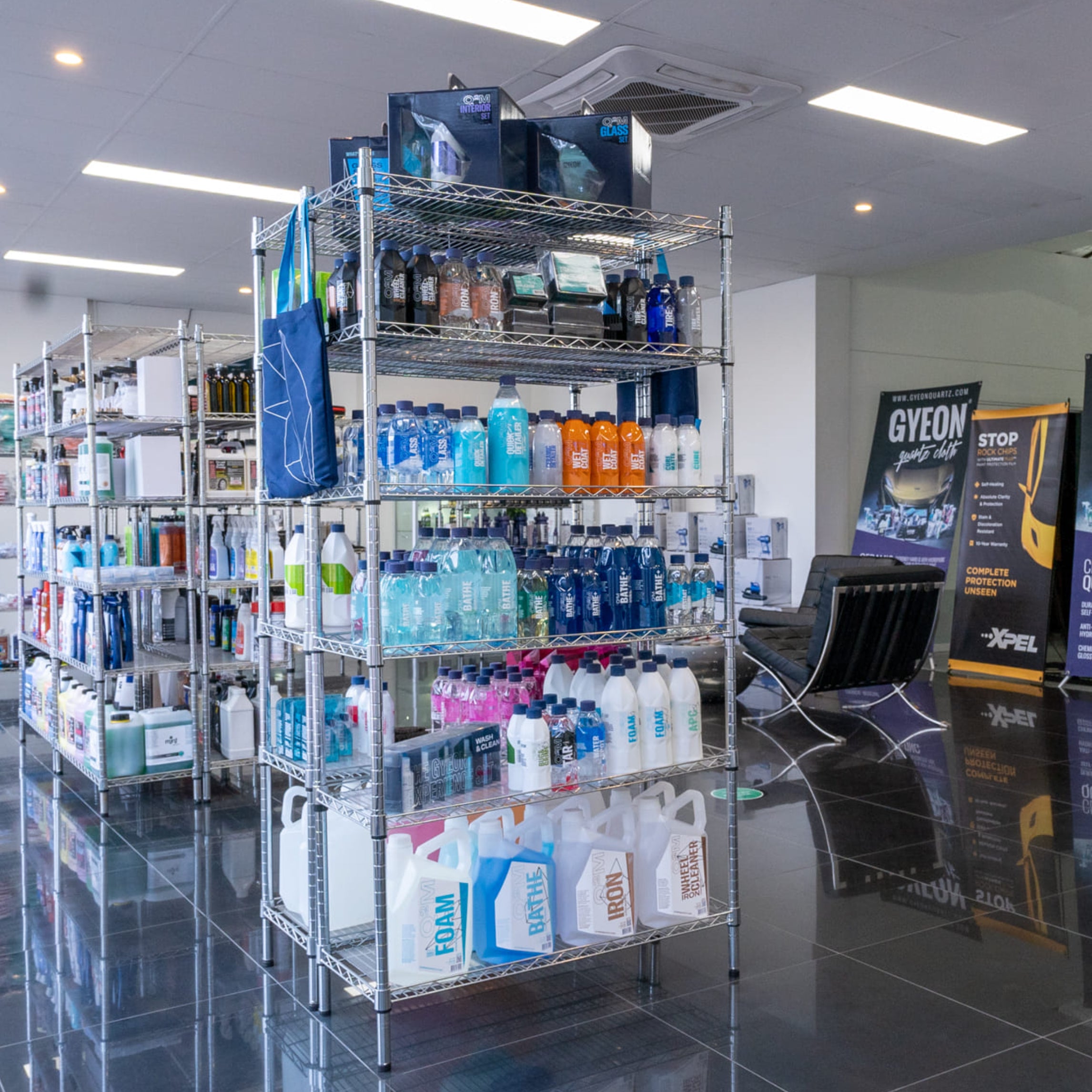
Car Care Products Australia has supplied detailing products to enthusiasts and professional detailers since 2007. We're the official Australian distributor for GYEON and stock bug and tar removers from leading brands, including Koch-Chemie, Gtechniq and Nextzett. Not sure which is right for you? Visit our showrooms in Leichhardt, Sydney or Murarrie, Brisbane, call 1300 006 007, or contact our team. Free shipping on orders over $150 (conditions apply).
Bug & Tar Remover FAQs
What is the best bug and tar remover?
The best bug and tar remover softens contamination so it rinses or wipes away without scrubbing, clings to vertical panels, and is safe on your paint and protection. For bugs, use a dedicated bug remover as a pre-wash; for road tar, use a solvent-based tar and bitumen remover.
How do I get bugs off my car?
Spray a bug remover onto the affected areas, let it dwell as directed to soften the residue, then rinse and wash as normal. Avoid scrubbing dried bugs, which can scratch the paint. Removing bugs quickly after a drive makes the job much easier.
Can bugs damage car paint?
Yes. Bug residue is acidic and, in hot weather, can etch into the clear coat within days, leaving permanent marks. Removing bugs promptly and keeping your paint protected with wax, sealant or ceramic coating reduces the risk.
What removes tar from car paint?
A dedicated tar and bitumen remover dissolves road tar so it can be wiped away gently with a microfibre cloth. Wash the car first, apply the tar remover, allow a short dwell, wipe, then wash the area again to remove solvent residue.
Is bug remover safe on ceramic coatings?
Many bug removers are formulated to be safe on wax, sealants and ceramic coatings, but check the label. Solvent-based tar removers can weaken some protection, so re-apply a spray sealant or quick detailer after use if needed.
Is tar remover safe on paint protection film and wraps?
Not always. Tar removers are solvent-based, and some solvents can affect paint protection film, vinyl wraps and their edges. Check the product label and test on a small, hidden area first.
How do I remove tree sap from my car?
Soften fresh sap with a bug remover or quick detailer and lift it gently with a microfibre cloth. Hardened sap may need a tar remover or detailing clay. Remove sap quickly, because it hardens and bonds more strongly over time.
Should I remove tar before claying or polishing?
Yes. Removing tar and bug residue first makes claying and polishing faster and safer, and stops tar from smearing across the paint or clogging your clay and polishing pads.