
Clay Bars & Detailing Clay
Looking for the best clay bar? If your paint still feels rough after washing, it's carrying bonded contamination such as overspray, tree sap, industrial fallout and brake dust. Detailing clay lifts it away and leaves the surface glass-smooth and ready for polish, wax, sealant or ceramic coating. Shop clay bars, clay mitts and clay towels, and clay lubricant.


What Does a Clay Bar Do?
A clay bar is a soft, pliable detailing compound that glides over lubricated paint and grabs contamination sitting on top of the clear coat. It removes particles that washing can't, including paint overspray, tree sap, tar specks, industrial fallout and embedded brake dust, without abrading the paint itself. The result is a smooth, clean surface that polishes better and lets protection bond properly.
Does Your Car Need Claying? Try the Bag Test
Wash and dry your car, place your hand inside a thin plastic sandwich bag, and lightly run it across the paint. If you feel roughness or tiny bumps, the paint has bonded contamination and will benefit from claying. Smooth paint doesn't need it yet. Most cars need claying about once or twice a year, or before any polishing or ceramic coating.
Types of Detailing Clay
| Clay type | What it is | Best for | Consider |
|---|---|---|---|
| Traditional clay bar (fine) | Soft clay you knead and fold | Most cars; the best feel for contamination | Must be binned if dropped |
| Medium or heavy grade clay | Firmer, more aggressive clay | Heavy overspray and neglected paint | More likely to mar; polishing usually needed afterwards |
| Clay mitt / clay towel | Synthetic clay layer on a mitt or microfibre | Faster claying of large vehicles; reusable | Less feedback than a bar; rinse if dropped |
| Clay lubricant | Slick spray that the clay glides on | Every claying job | Never clay without lube |
What Makes the Best Clay Bar?
- The right grade: fine clay suits most cars and is least likely to mar the paint.
- Soft and pliable: easy to knead into a flat patty and refold to a clean face.
- Picks up contamination quickly with light pressure.
- Paired with a slick clay lube: lubrication is what keeps claying safe.
- Easy to store: a sealed case keeps the clay clean and soft between uses.
How to Clay Bar a Car
- Wash and dry the car thoroughly. For best results, use an iron remover and tar remover first.
- Work in the shade on cool panels, one small section at a time.
- Flatten the clay into a patty that fits your fingertips.
- Spray clay lube generously on the section and on the clay.
- Glide the clay in straight lines with light pressure. You'll feel it grab at first, then go smooth.
- Fold the clay to a clean face when it looks dirty, and wipe away lube residue with a clean microfibre cloth.
- Protect the paint afterwards with polish, wax, sealant or ceramic coating.
Dropped your clay bar? Throw it away. It will pick up grit that can scratch the paint. Clay mitts and towels can be rinsed clean.
Iron Remover vs Clay Bar: Which Comes First?
Use an iron remover before clay. It chemically dissolves iron particles, so the clay has less to remove, lasts longer and is less likely to drag contamination across the paint. Read our guide on iron remover vs clay bar, and our step-by-step how to clay your car.
Do You Need to Polish After Claying?
Claying can leave light marring on soft or dark paint, and it removes wax and sealant. At a minimum, re-apply protection after claying. If you see light haze, a light polish will restore full clarity before protecting.
Why Buy Detailing Clay From Car Care Products Australia?
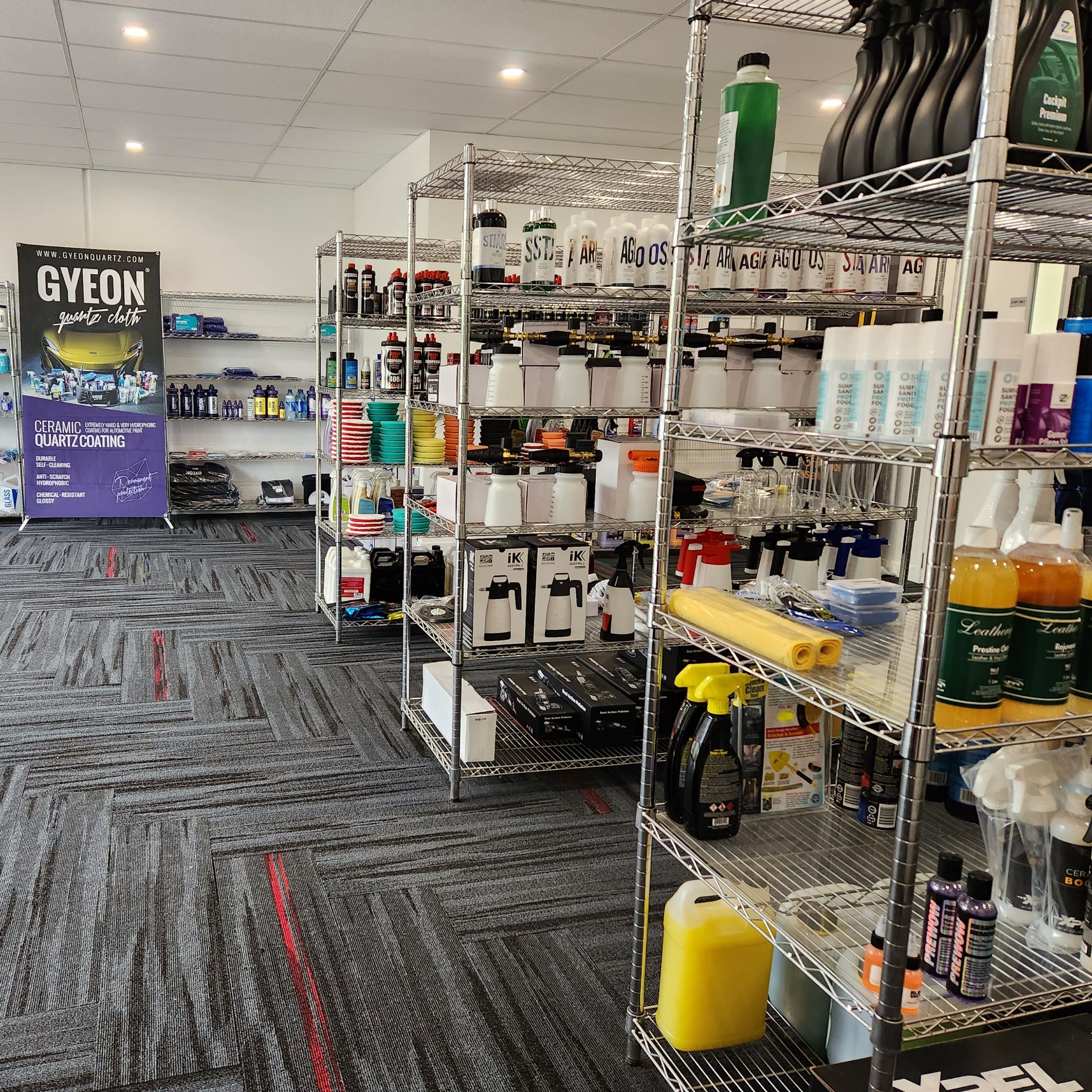
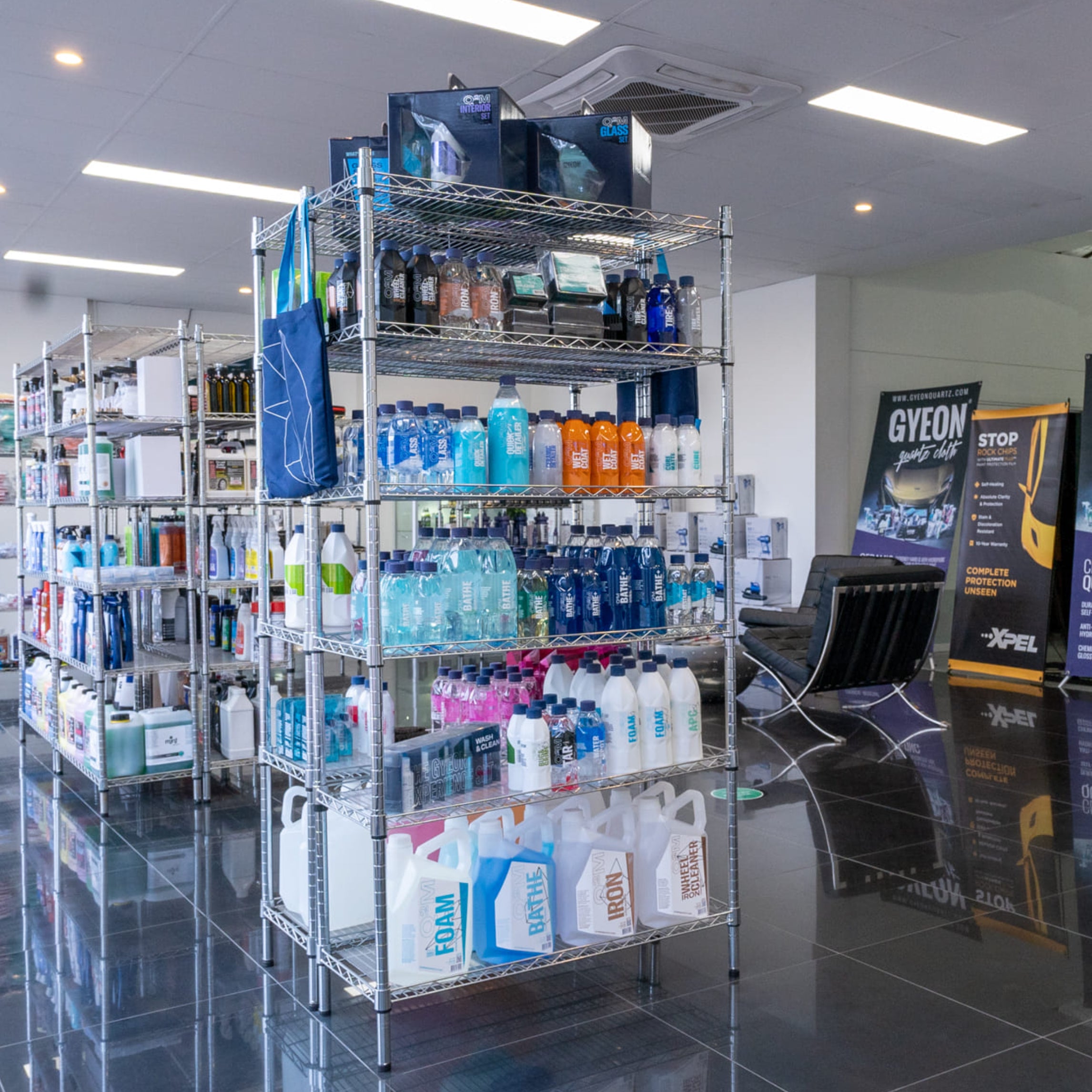
Car Care Products Australia has supplied detailing products to enthusiasts and professional detailers since 2007. We're the official Australian distributor for GYEON and stock clay bars, clay mitts and clay lubes from leading brands, including Mint, Clay Magic and Autoglym. Not sure which is right for you? Visit our showrooms in Leichhardt, Sydney or Murarrie, Brisbane, call 1300 006 007, or contact our team. Free shipping on orders over $150 (conditions apply).
Clay Bar & Detailing Clay FAQs
What does a clay bar do?
A clay bar removes bonded contamination that washing can't, such as overspray, tree sap, tar specks, industrial fallout and embedded brake dust. It glides over lubricated paint and grabs these particles, leaving a smooth, clean surface ready for polish or protection.
What is the best clay bar?
For most cars, the best clay bar is a fine-grade clay used with plenty of clay lube, because it removes contamination with the lowest risk of marring. Clay mitts and towels are a faster, reusable alternative for larger vehicles.
How do I know if my car needs claying?
Use the bag test. After washing and drying, put your hand in a thin plastic bag and run it lightly over the paint. If it feels rough or bumpy, the paint has bonded contamination and will benefit from claying.
Can a clay bar scratch paint?
It can if it's used without enough lubricant, with too much pressure, or after being dropped. Use plenty of clay lube, light pressure and a clean face of clay. Claying can leave light marring on soft paint, which a light polish removes.
What can I use as clay lube?
A dedicated clay lubricant is the safest choice because it's designed to be slick without breaking down the clay. Some quick detailers can also be used as a clay lube; check the label. Never clay dry.
How often should I clay bar my car?
Most cars need claying once or twice a year, or whenever the paint feels rough after washing. Always clay before polishing or applying a ceramic coating.
Should I use an iron remover or clay bar first?
Use an iron remover first. It dissolves iron particles chemically, so the clay has less to remove, stays cleaner for longer and is less likely to drag contamination across the paint.
Does a clay bar remove wax?
Yes. Claying removes most wax and sealant along with the contamination. Always re-apply protection after claying, whether that's wax, sealant or a ceramic coating.
Is a clay mitt better than a clay bar?
A clay mitt is faster and reusable, and can be rinsed if dropped, which suits larger vehicles and regular use. A traditional clay bar gives more feel for contamination and is often preferred for heavily contaminated or delicate paint.