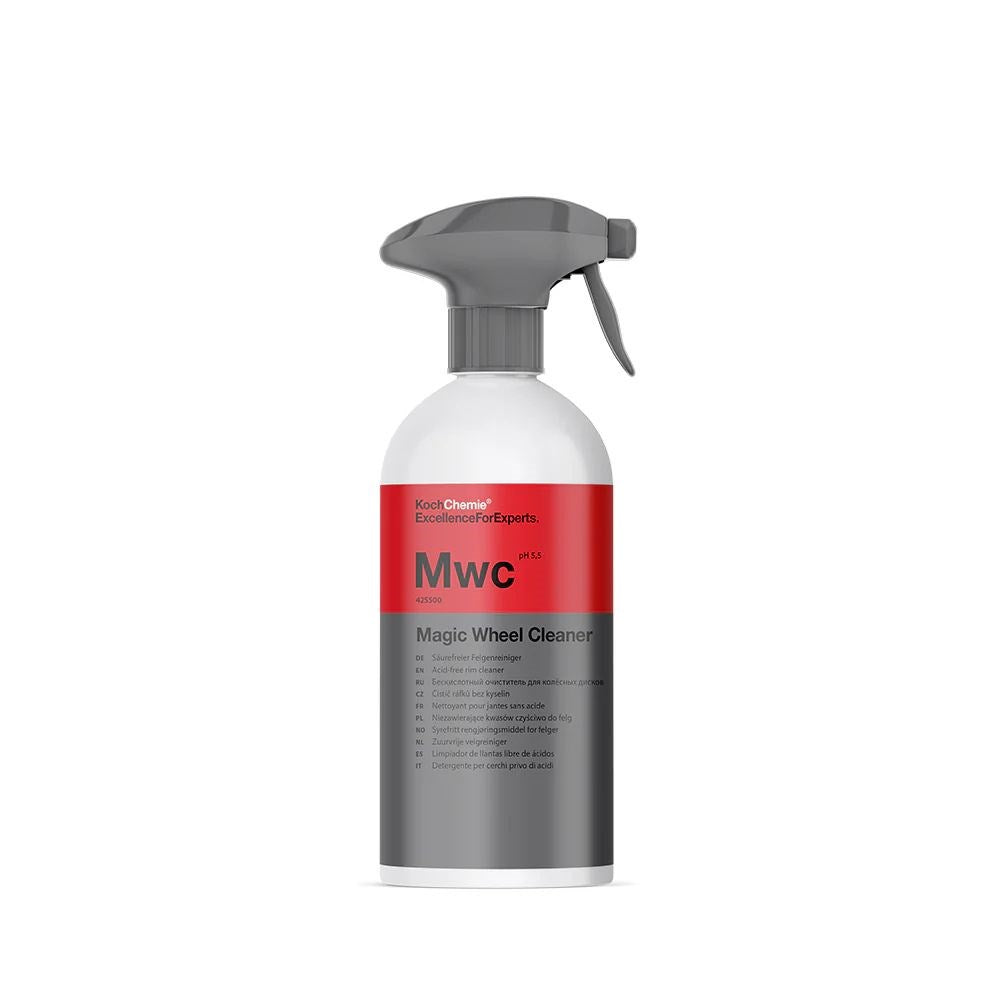
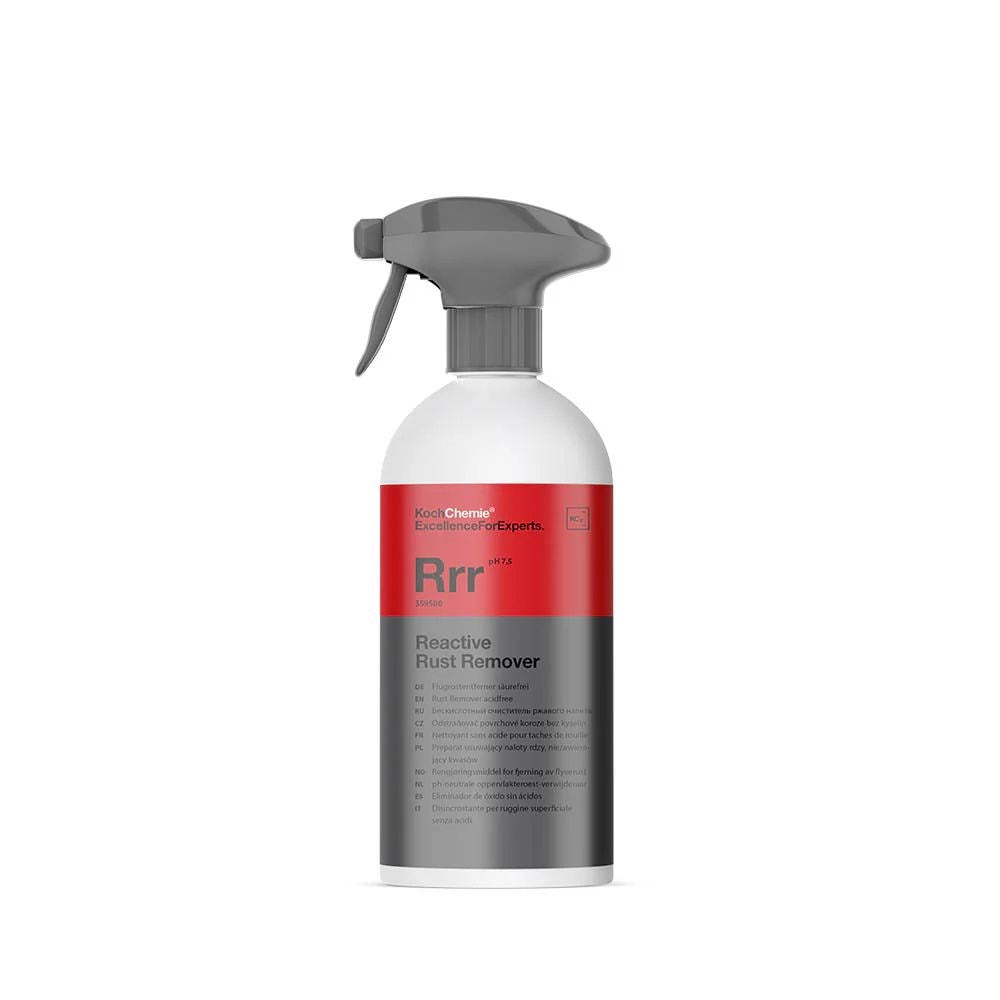
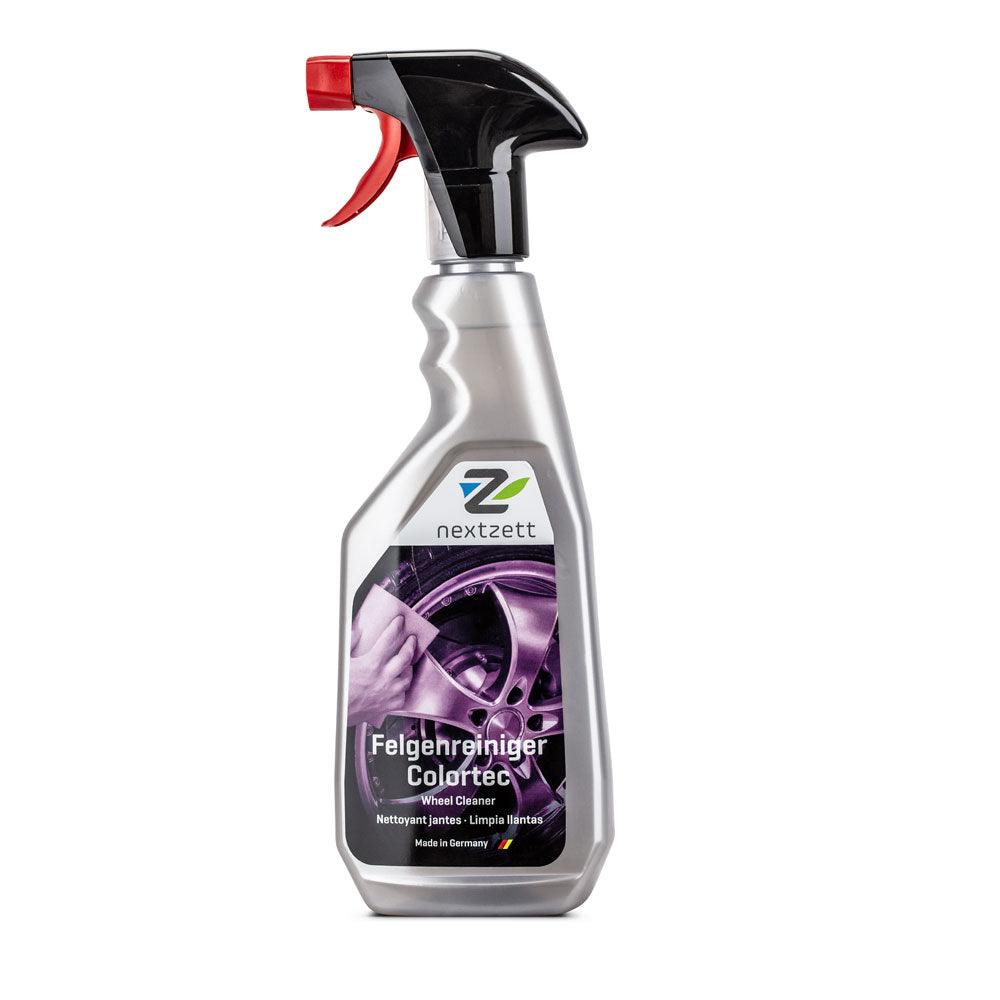
Types of Wheel Cleaner
| Wheel cleaner type |
What it does |
Best for |
Safe on |
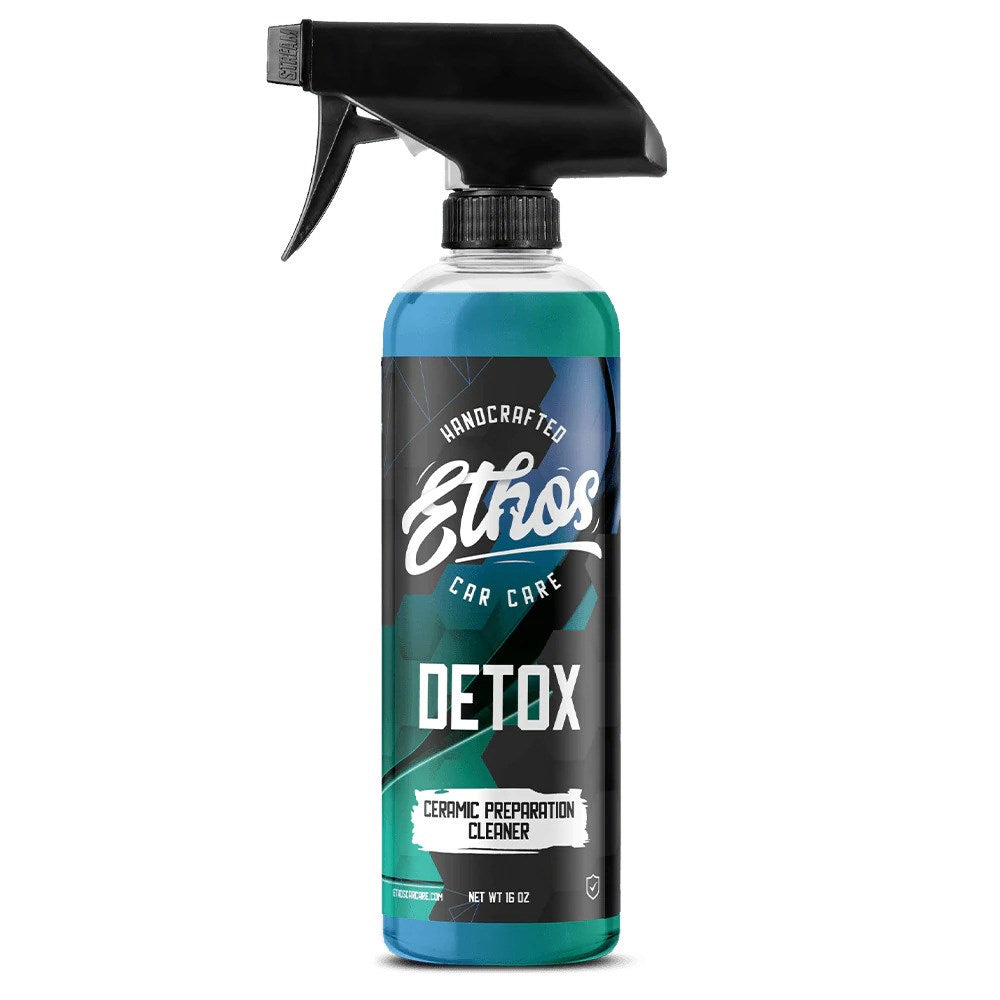
| pH-neutral / acid-free |
Gentle cleaning of dust and road grime |
Regular washes and coated wheels |
Most finishes |
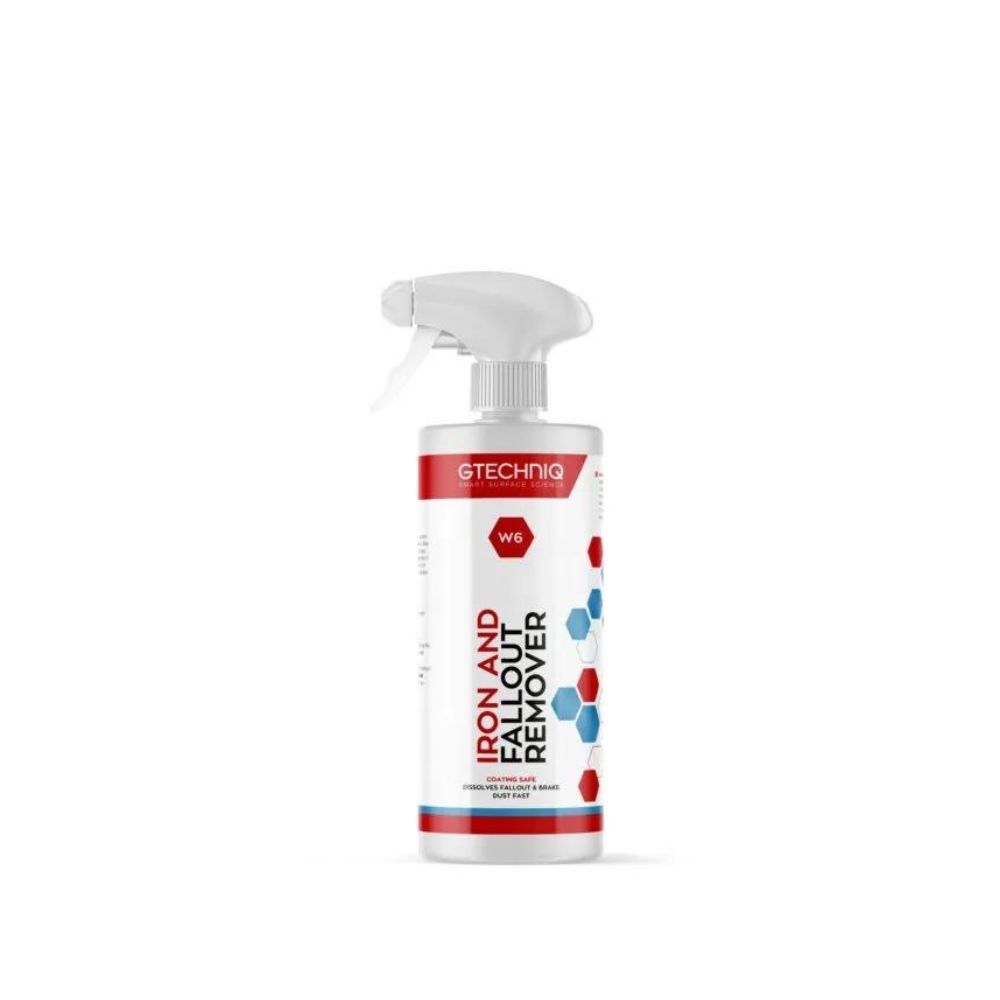
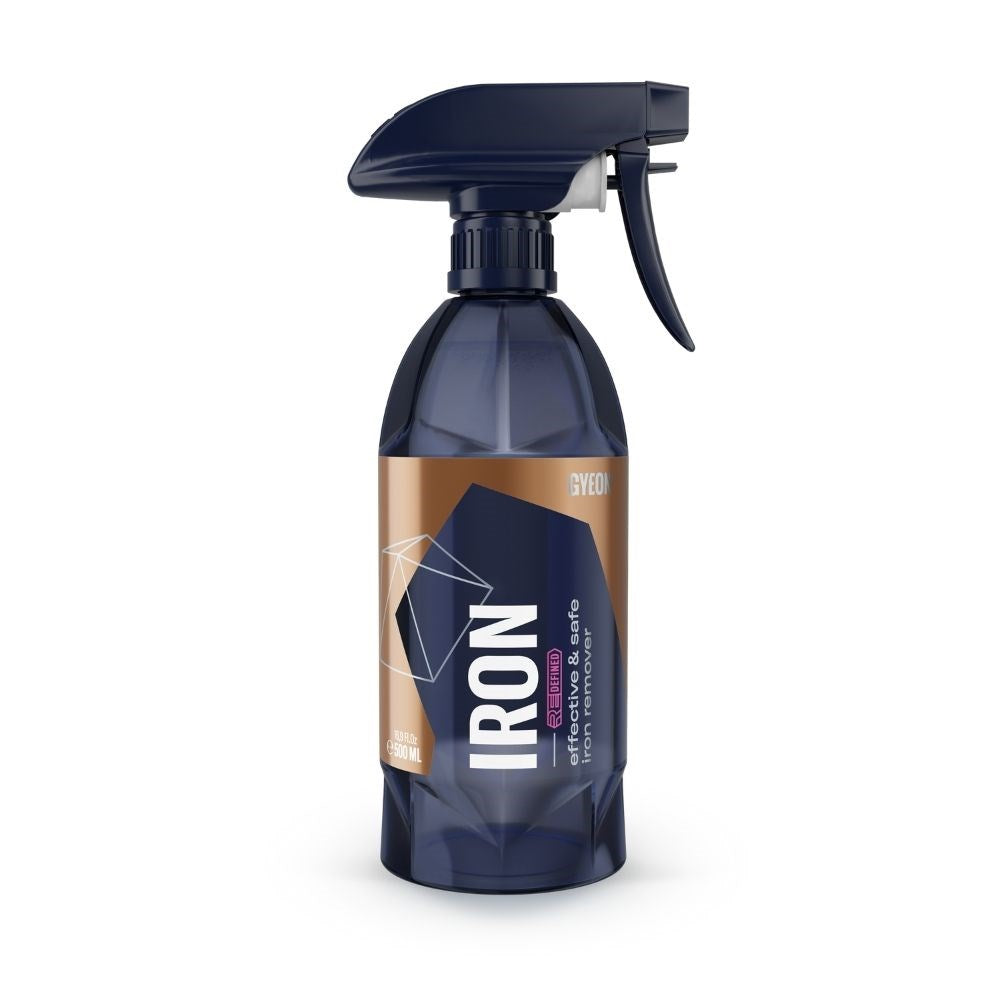
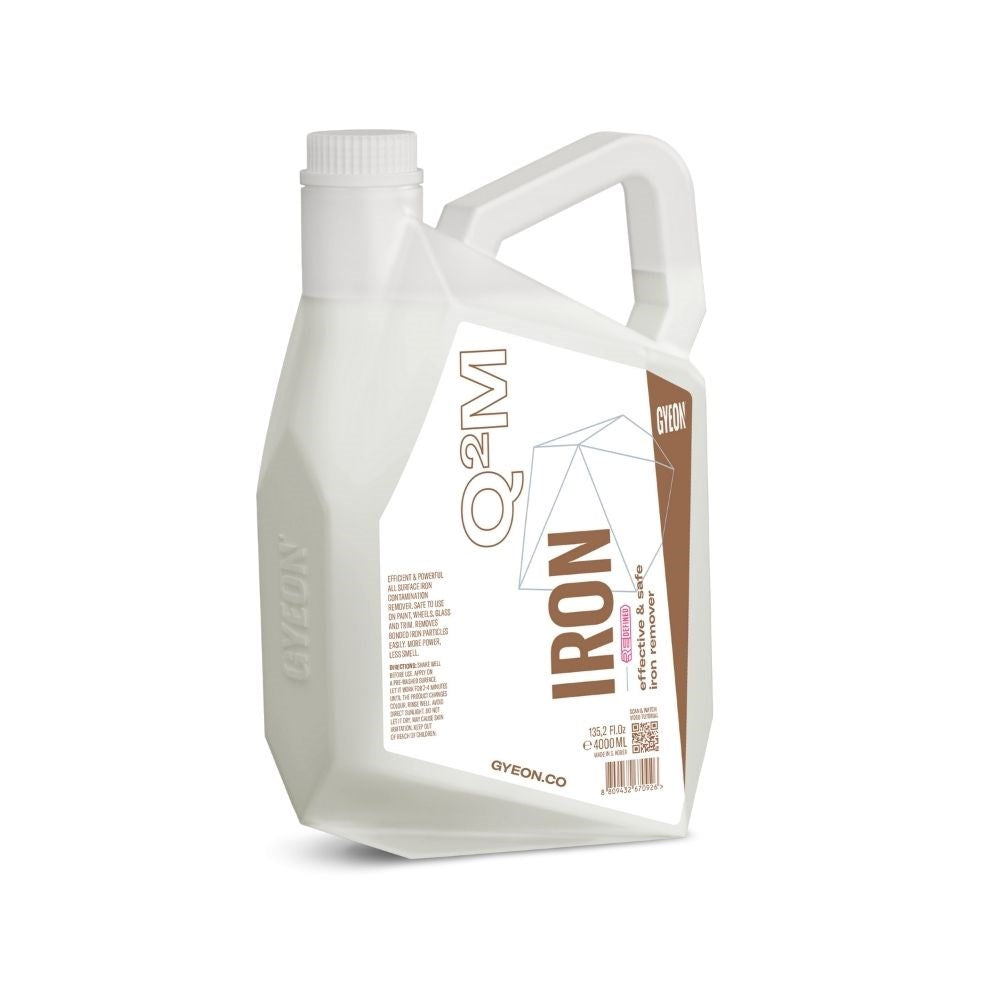
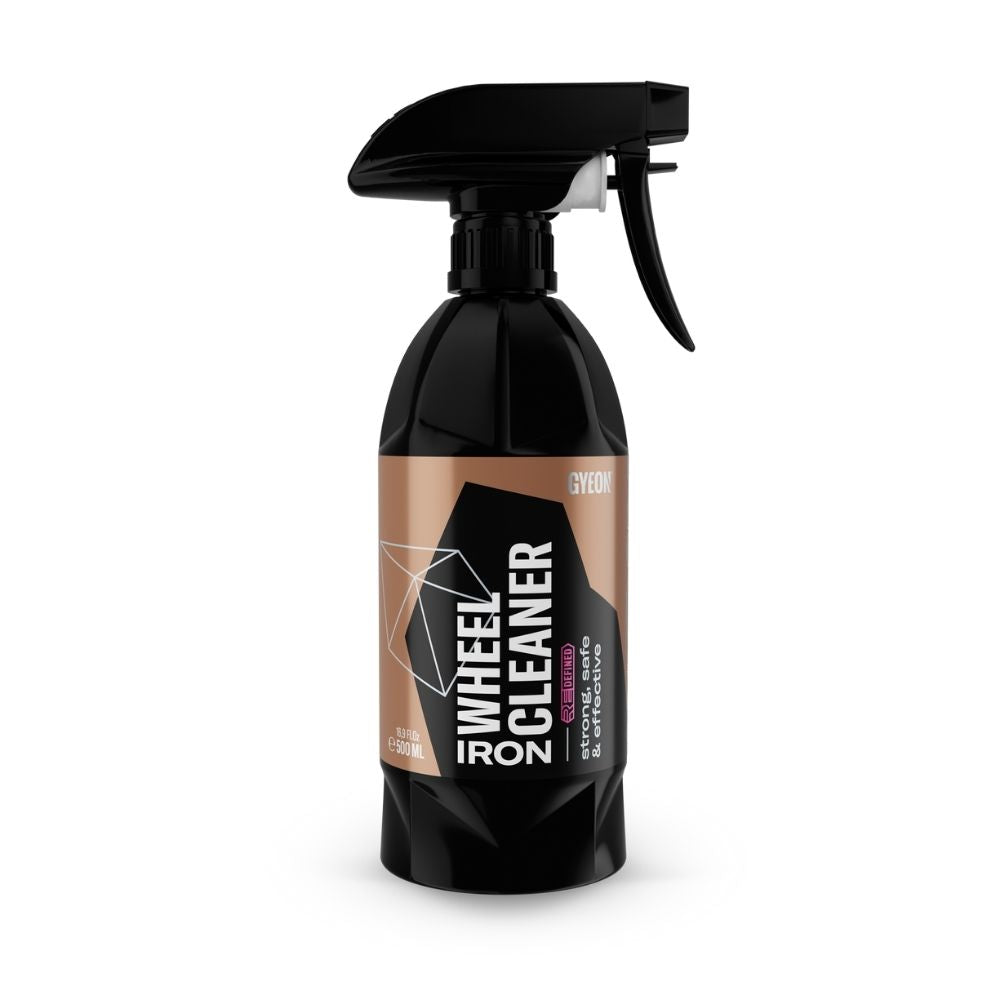
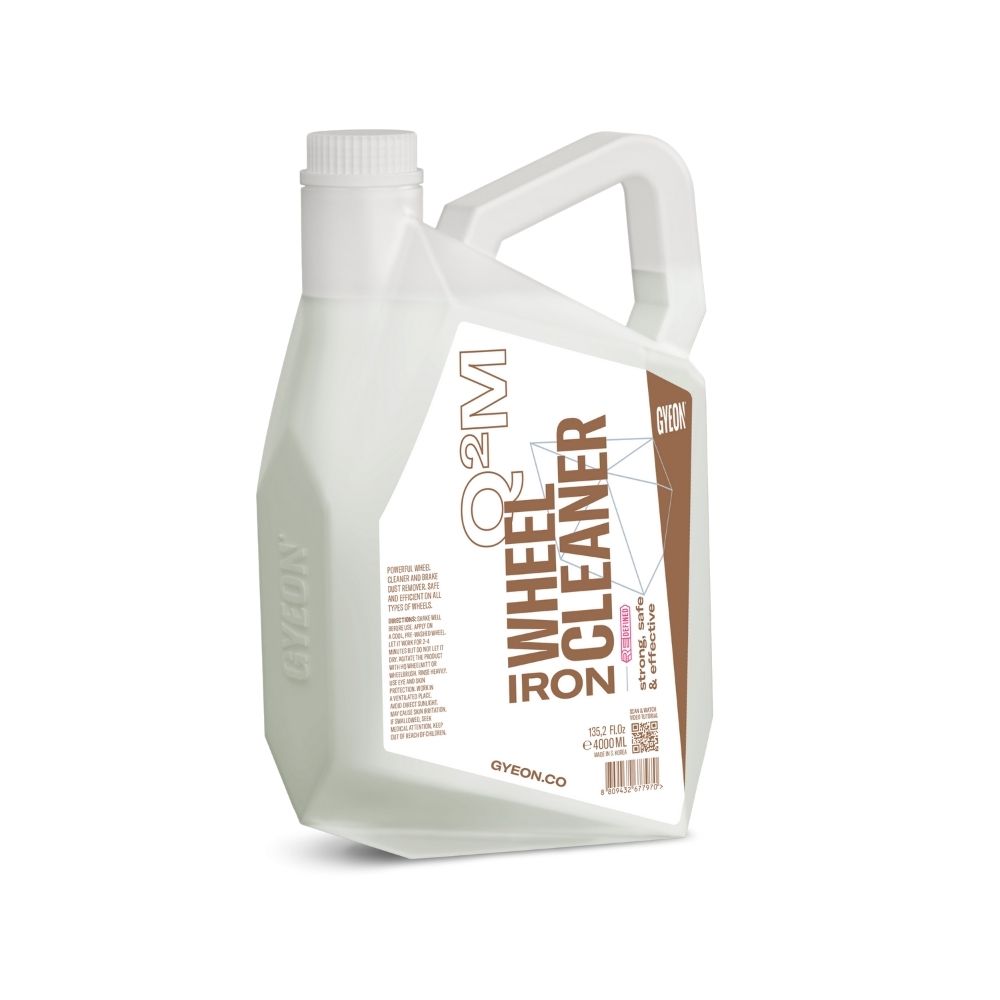
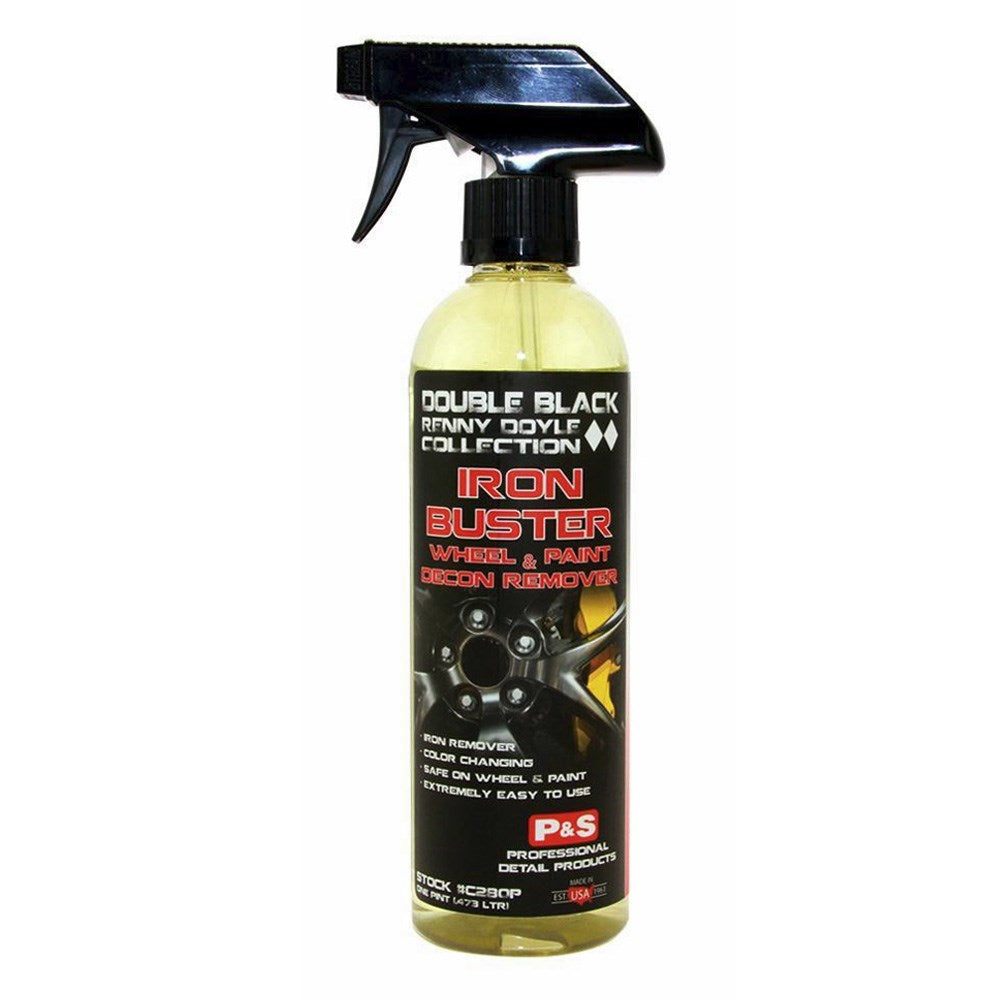
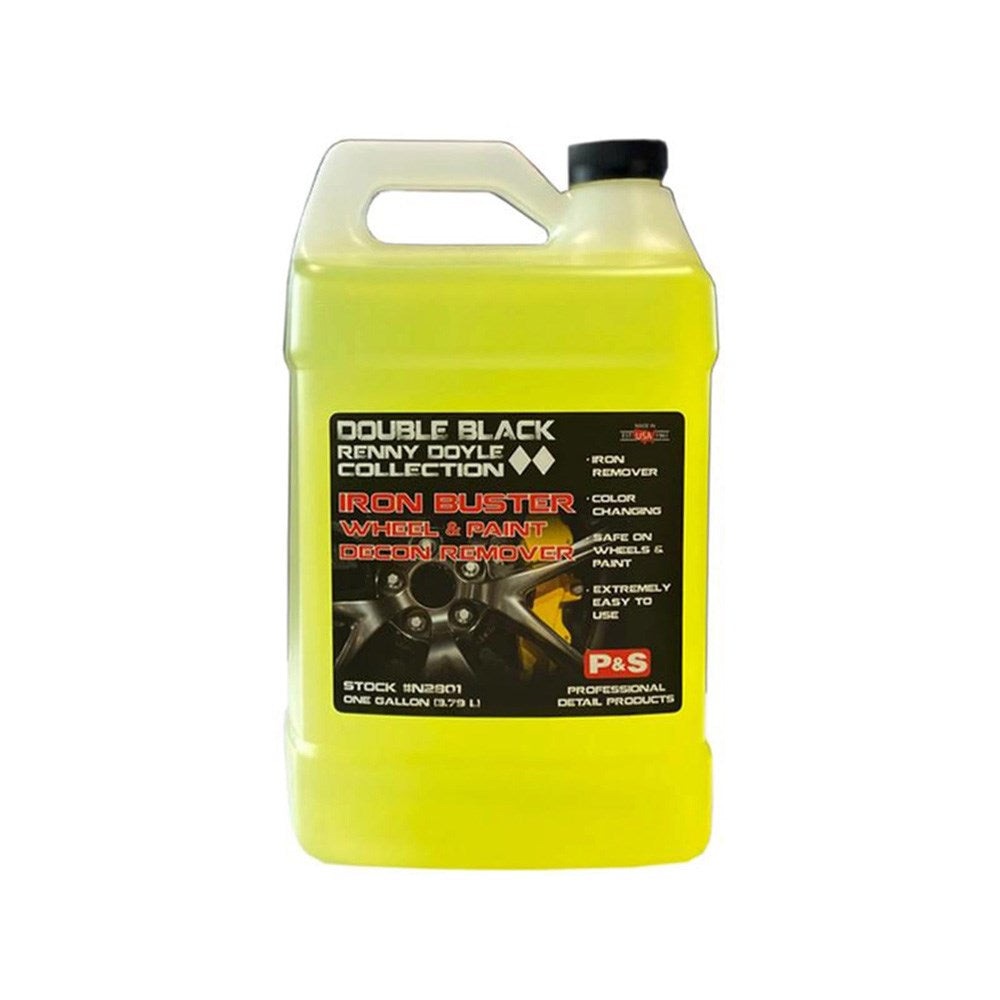
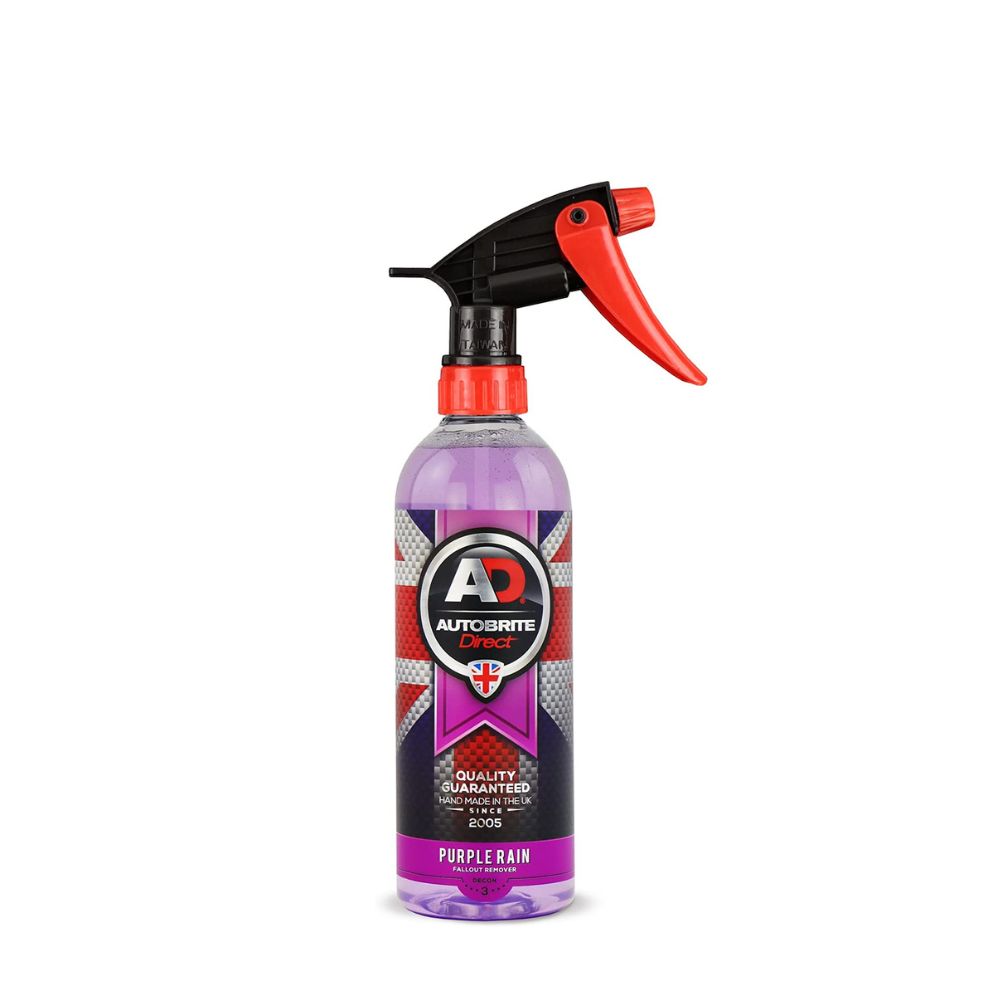
| Iron-reactive |
Dissolves embedded brake dust; changes colour |
Heavy brake dust on alloys |
Most clear-coated and painted wheels |
| Alkaline / degreasing |
Cuts road grime, oils and old dressing |
Very dirty wheels and wheel arches |
Most finishes; check label |
Always check the wheel cleaner's label against your wheel finish. Polished, bare aluminium, chrome, anodised and some matte finishes need gentler products.
What Makes the Best Wheel Cleaner?
-
Dissolves brake dust without heavy scrubbing.
-
Safe for your wheel finish and for ceramic-coated wheels.
-
Clings to spokes and barrels long enough to work.
-
Rinses clean without spotting or staining.
How to Clean Wheels Properly
-
Work on cool wheels in the shade. Never spray cleaner on hot wheels or brakes.
-
Clean one wheel at a time so the cleaner doesn't dry.
-
Rinse to remove loose dirt.
-
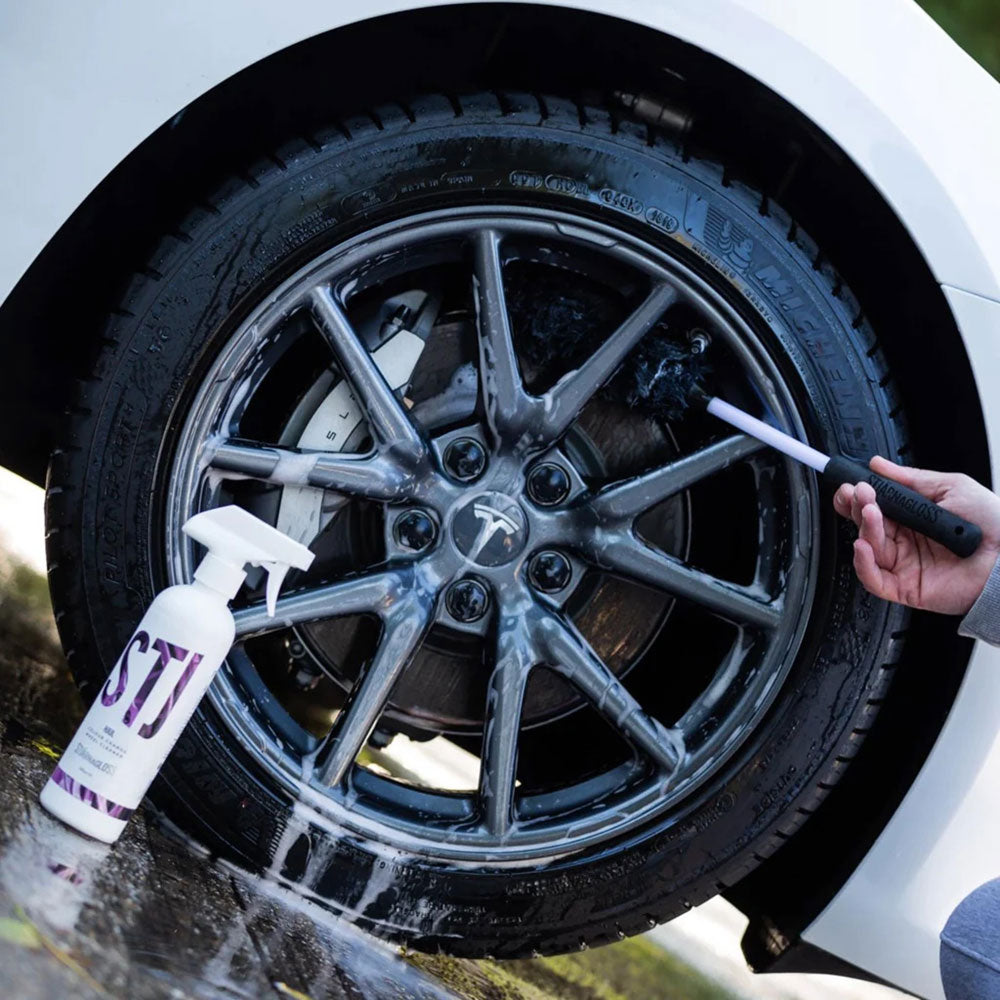
Spray wheel cleaner on the face, barrel and tyre, and let it dwell as directed.
-
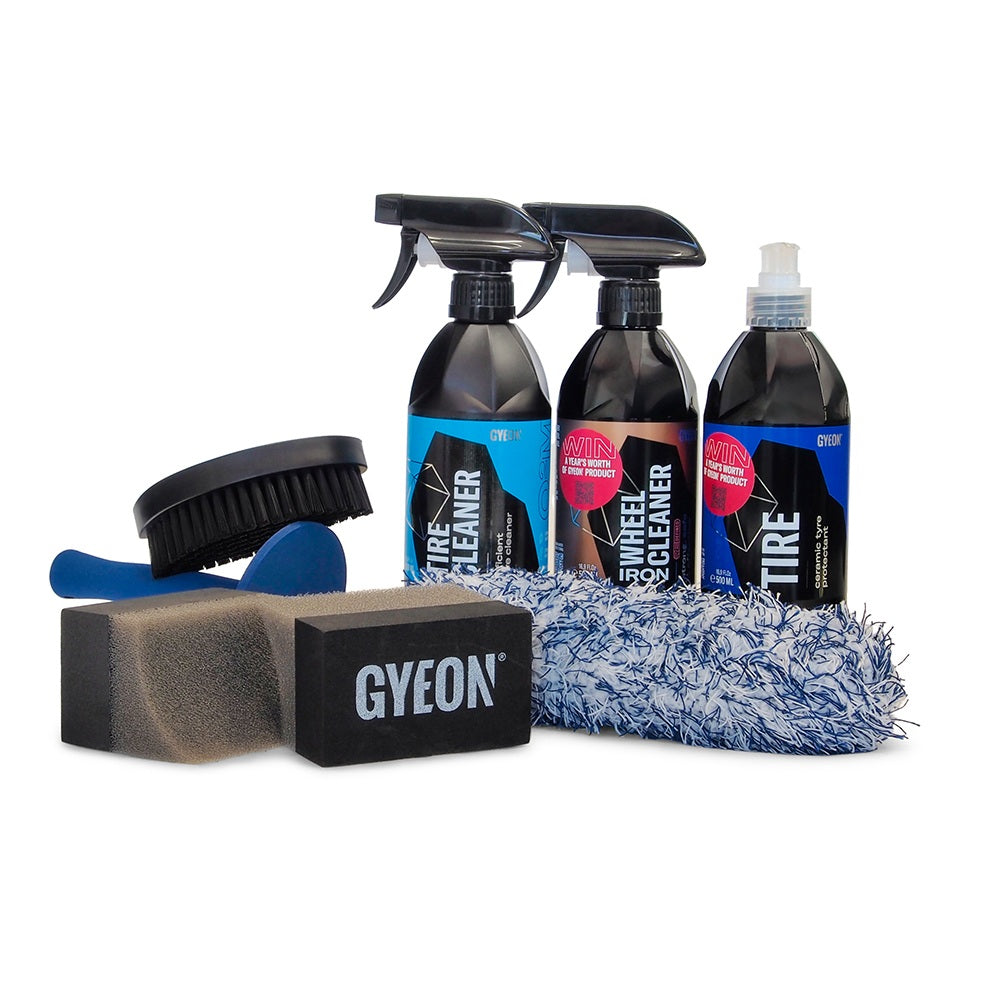
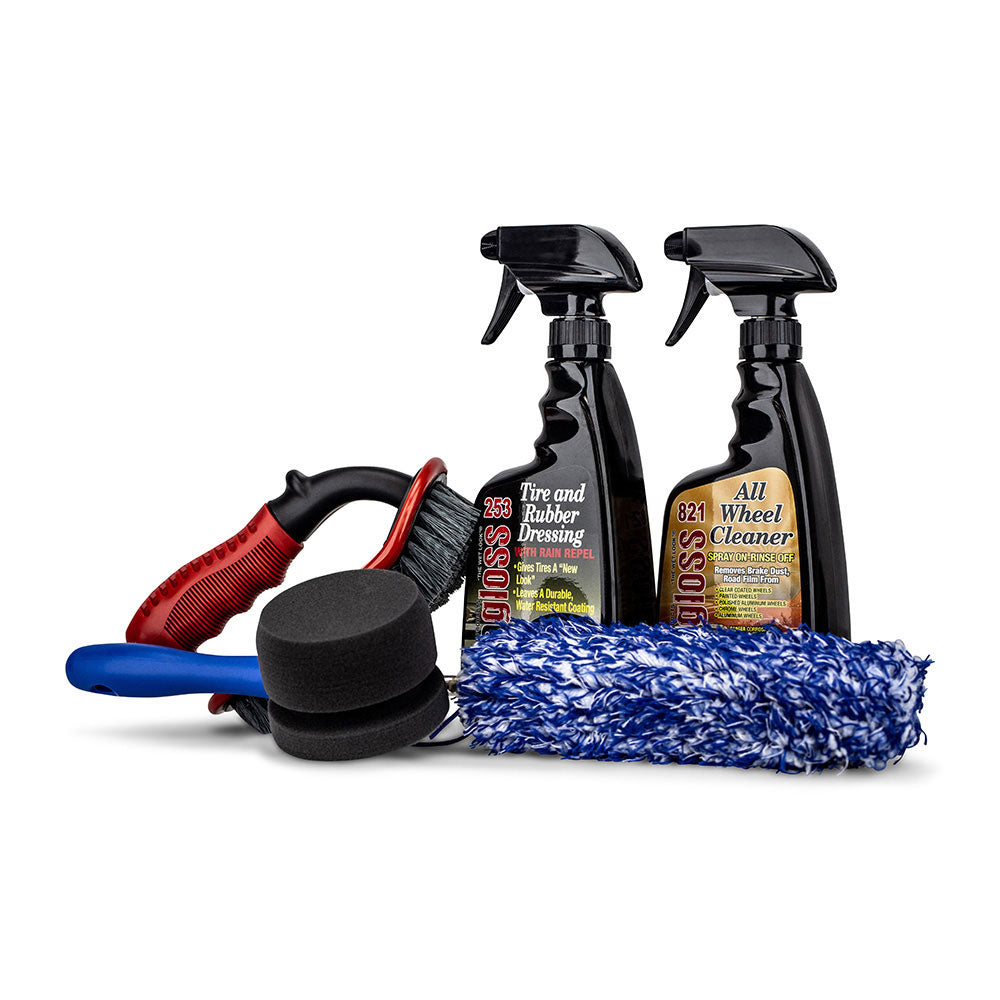
Agitate with wheel brushes: barrel brush, face brush and lug nut brush.
-
Rinse thoroughly and dry.
-
Protect with a wheel sealant or coating, then dress the tyres with tyre shine.
Use separate buckets, brushes and mitts for wheels so brake dust never touches your paint. For heavy embedded contamination, see iron removers.
Why Buy Wheel Cleaner From Car Care Products Australia?
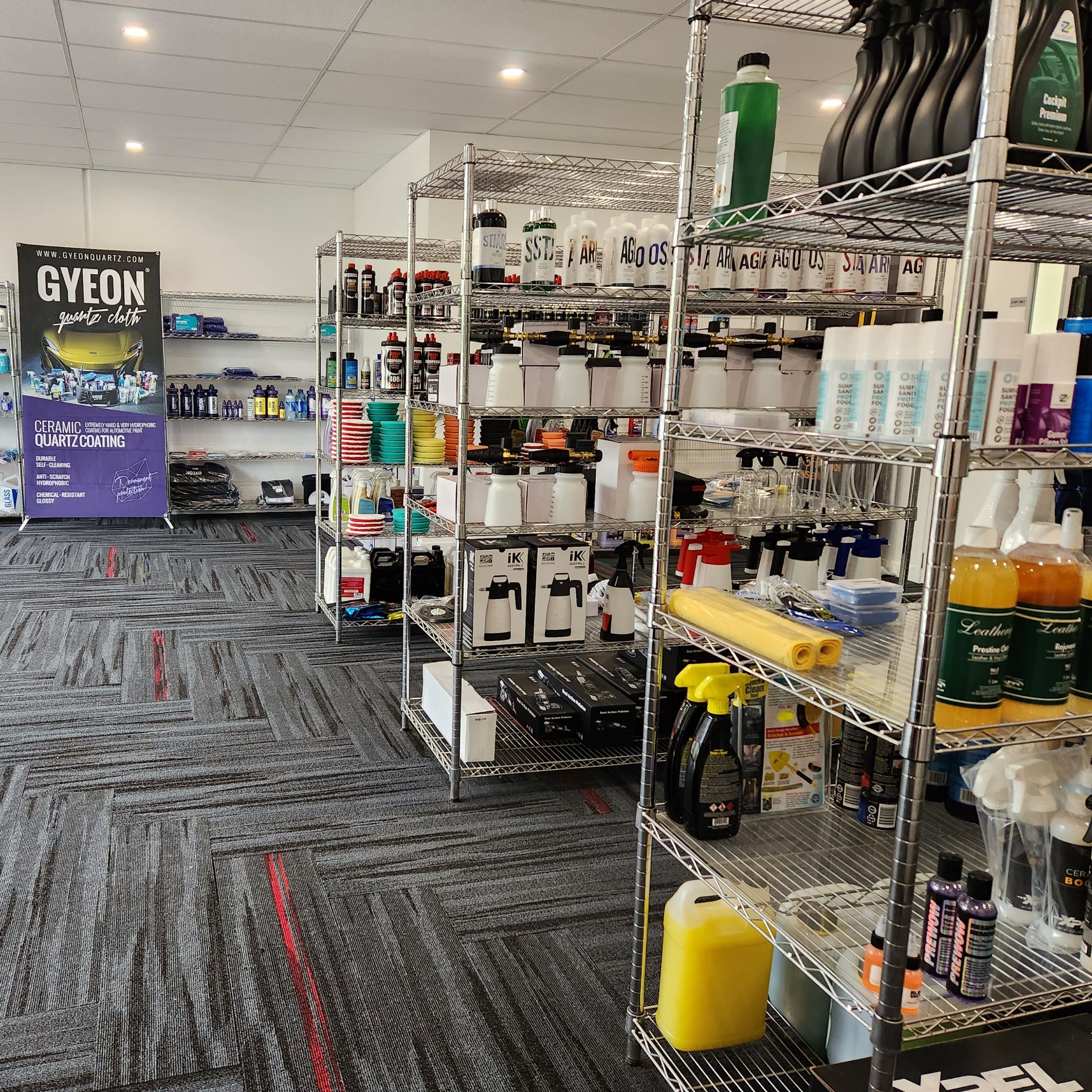
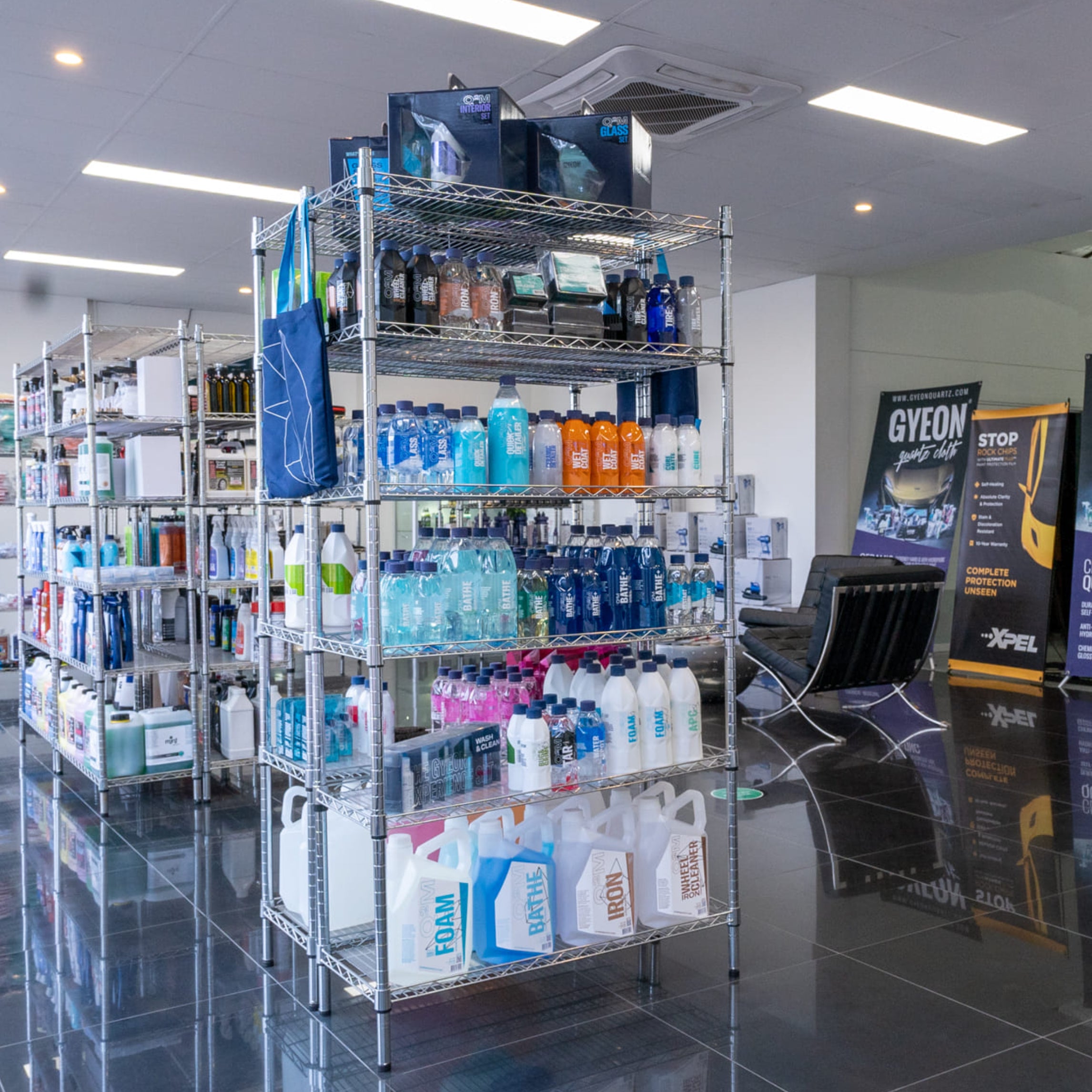
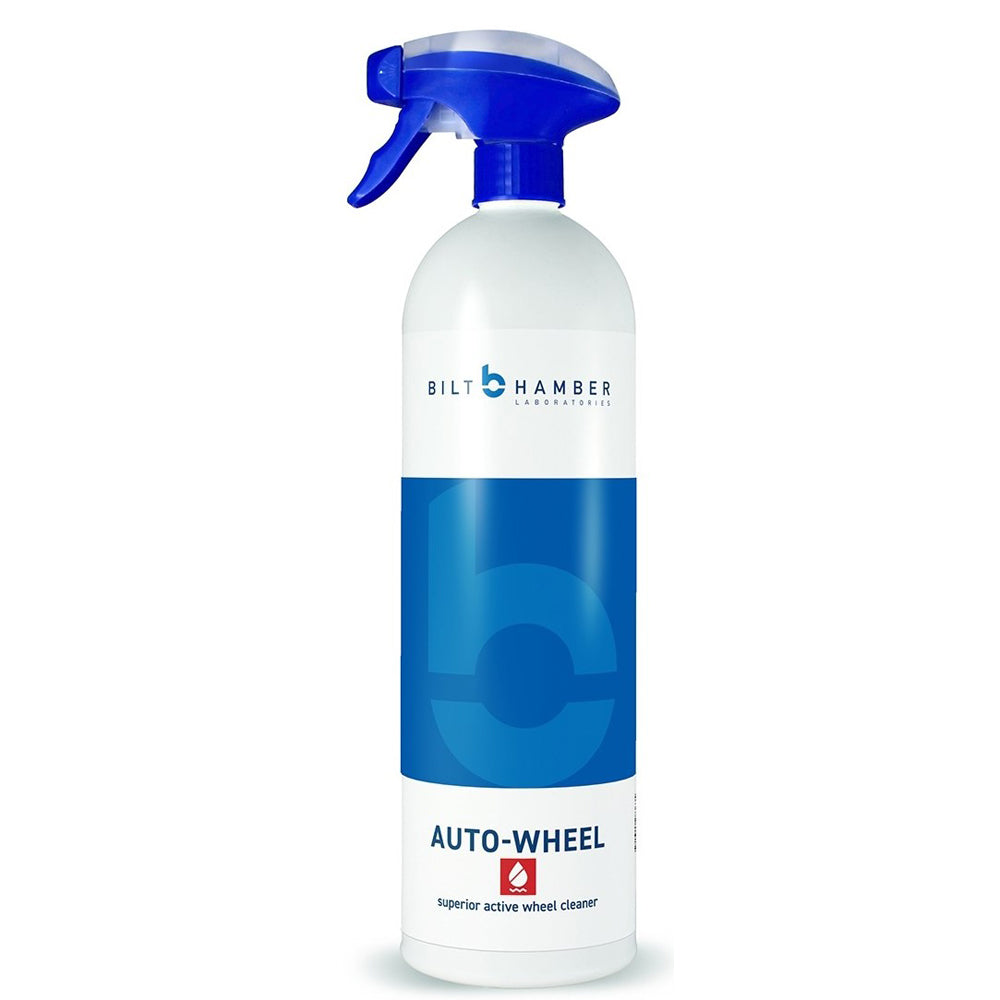
Car Care Products Australia has supplied detailing products to enthusiasts and professional detailers since 2007. We're the official Australian distributor for GYEON and stock wheel cleaners from leading brands, including Koch-Chemie, Autoglym and Bilt Hamber. Not sure which is right for you? Visit our showrooms in Leichhardt, Sydney or Murarrie, Brisbane, call 1300 006 007, or contact our team. Free shipping on orders over $150 (conditions apply).
Wheel Cleaner FAQs
What is the best wheel cleaner?
The best wheel cleaner dissolves brake dust without heavy scrubbing, suits your wheel finish and rinses clean. A pH-neutral cleaner is ideal for regular washes, while an iron-reactive cleaner handles heavy brake dust.
How do I remove baked-on brake dust?
Use an iron-reactive wheel cleaner on cool wheels, let it dwell until it changes colour, agitate with wheel brushes and rinse. Repeat on stubborn areas. Protecting wheels afterwards makes future cleaning easier.
Is acid wheel cleaner safe?
Acidic wheel cleaners can damage many wheel finishes and brake components if misused. Most enthusiasts are better off with acid-free, pH-neutral or iron-reactive cleaners, which are safe on most modern wheels.
Can I use wheel cleaner on hot wheels?
No. Always let wheels and brakes cool first. Cleaner can dry and stain on hot surfaces, and cold water on hot brake discs can cause damage.
Is wheel cleaner safe on ceramic-coated wheels?
pH-neutral and acid-free wheel cleaners are safe on coated wheels. Coated wheels usually need only a gentle cleaner, because brake dust releases more easily.
Can I use wheel cleaner on polished or chrome wheels?
Only if the label says it's safe for those finishes. Polished bare aluminium and chrome are more delicate, so use a gentle, pH-neutral cleaner.