What Is Paint Correction?
Paint correction is the process of machine polishing the clear coat to level out defects like swirls and scratches, restoring clarity and gloss. It typically uses a cutting compound to remove defects and a finishing polish to refine the finish, followed by protection.
What You Need to Polish a Car
-
A machine polisher: a dual action polisher is the safest start.
-
A backing plate that fits your machine: backing plates.
-
Pads in cutting, polishing and finishing grades: polishing pads.
-
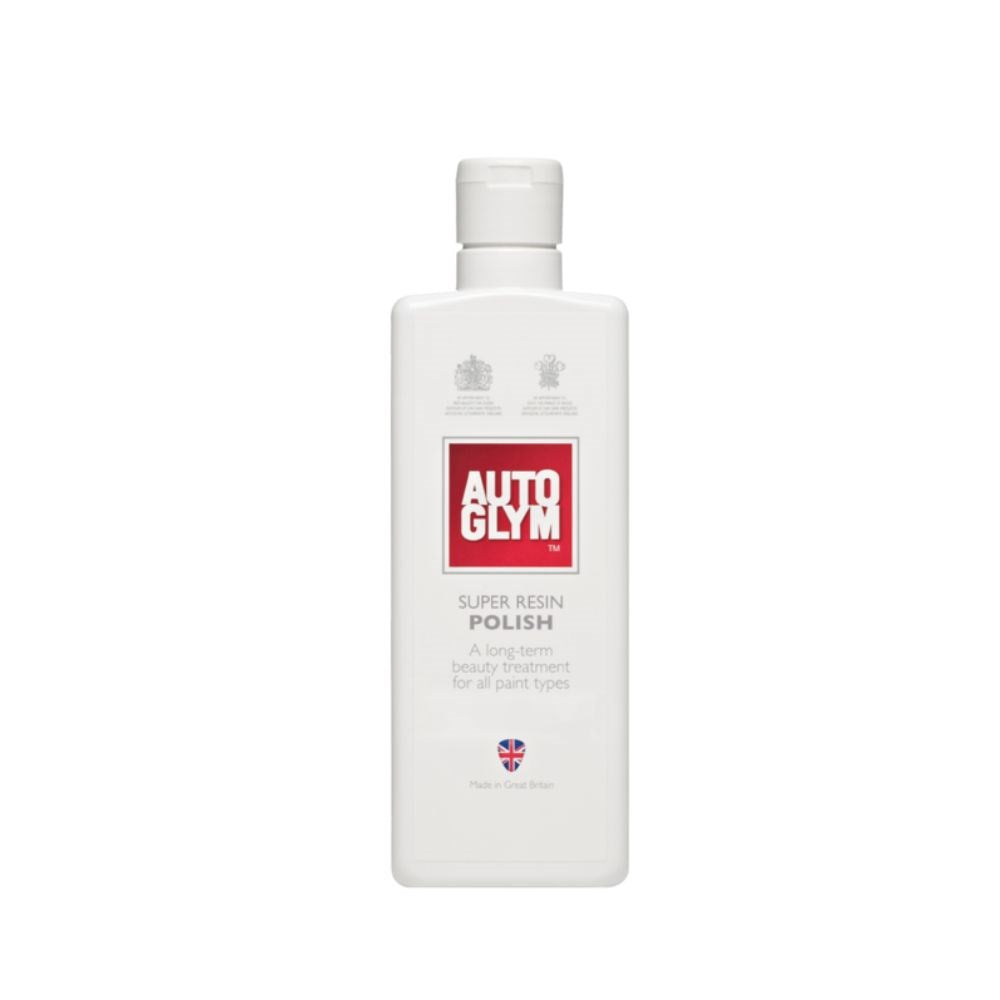
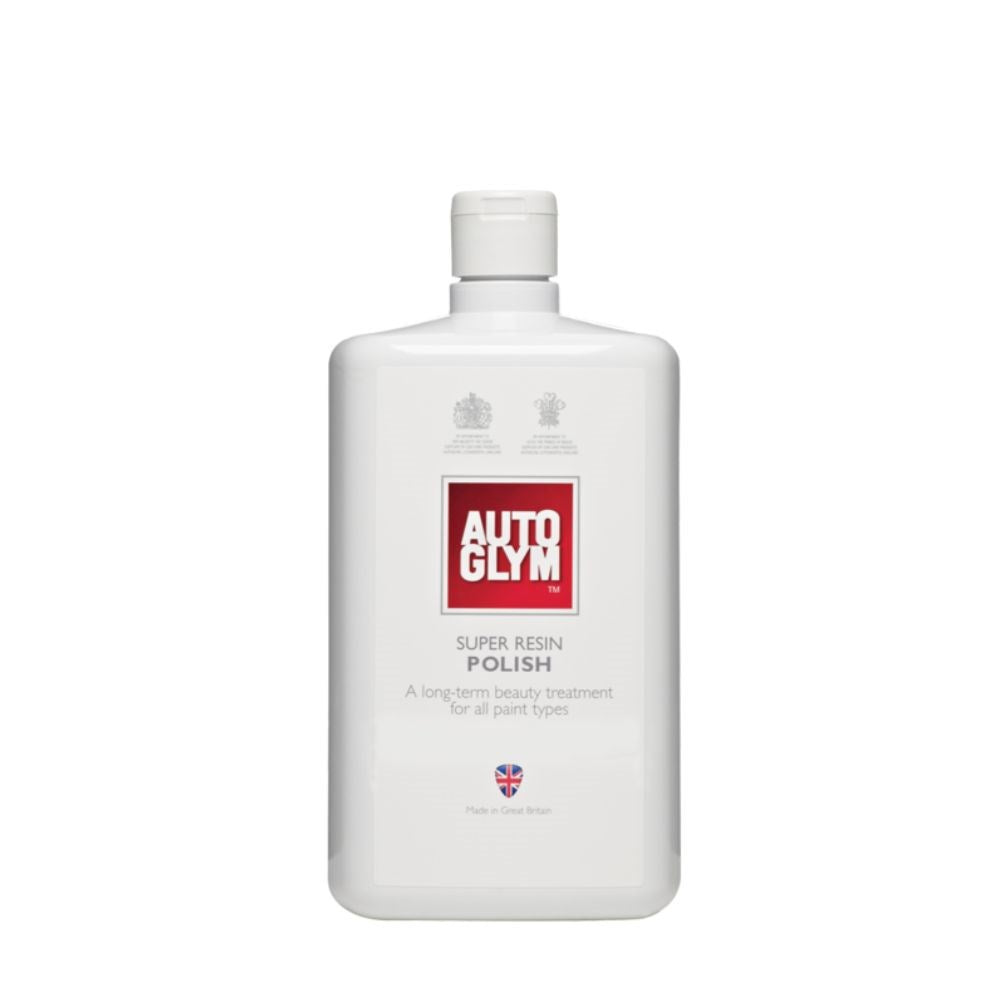
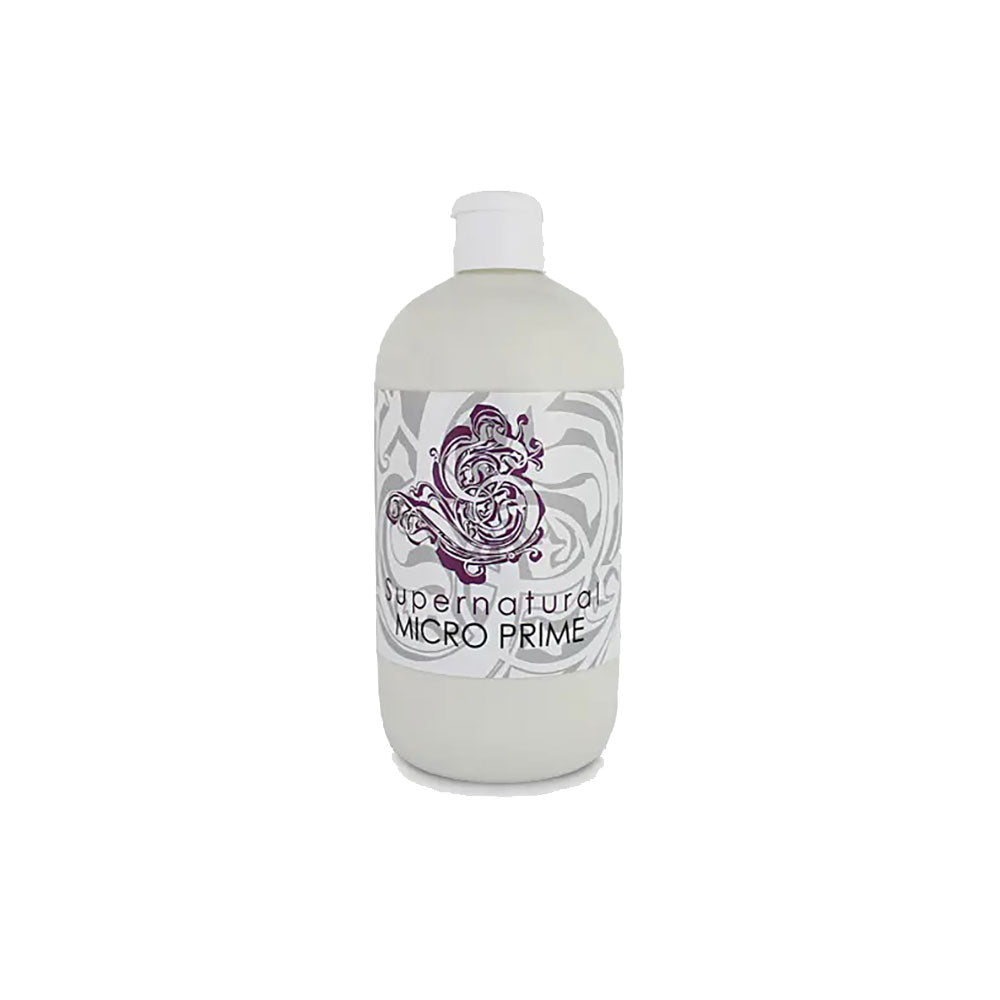
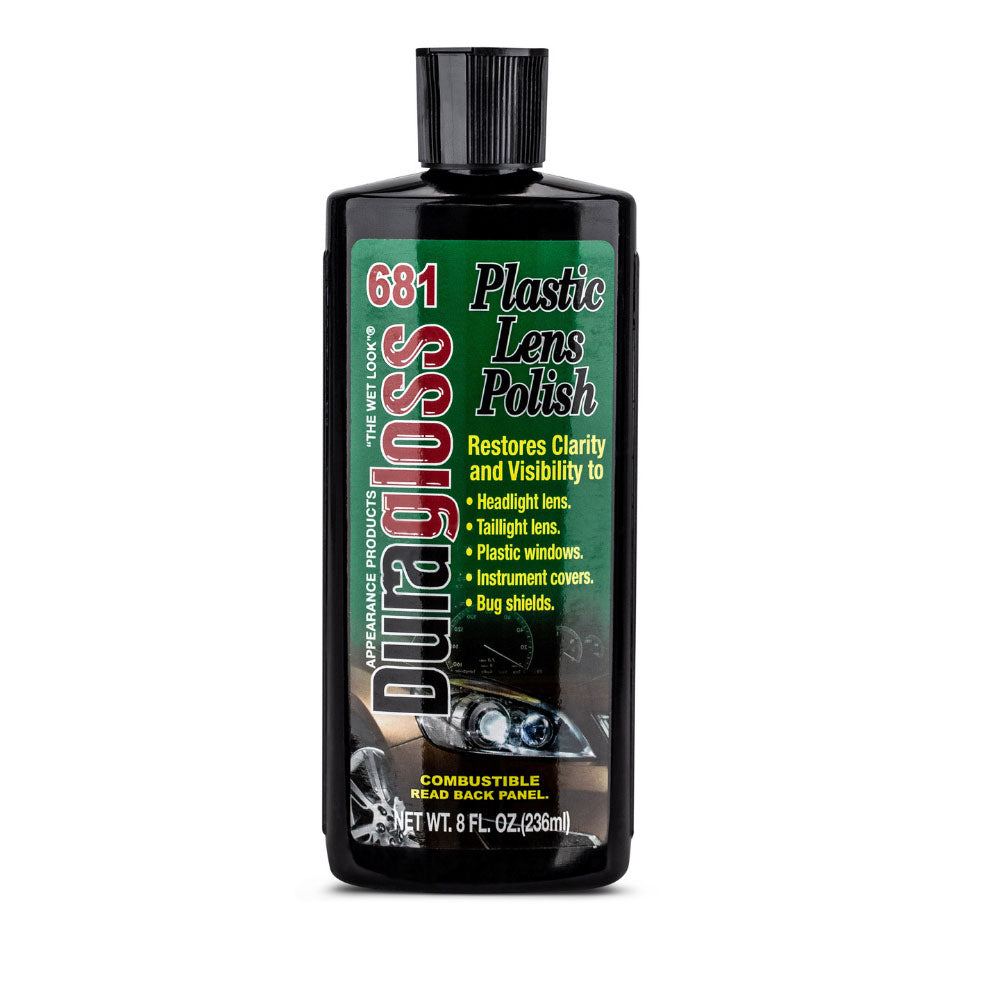
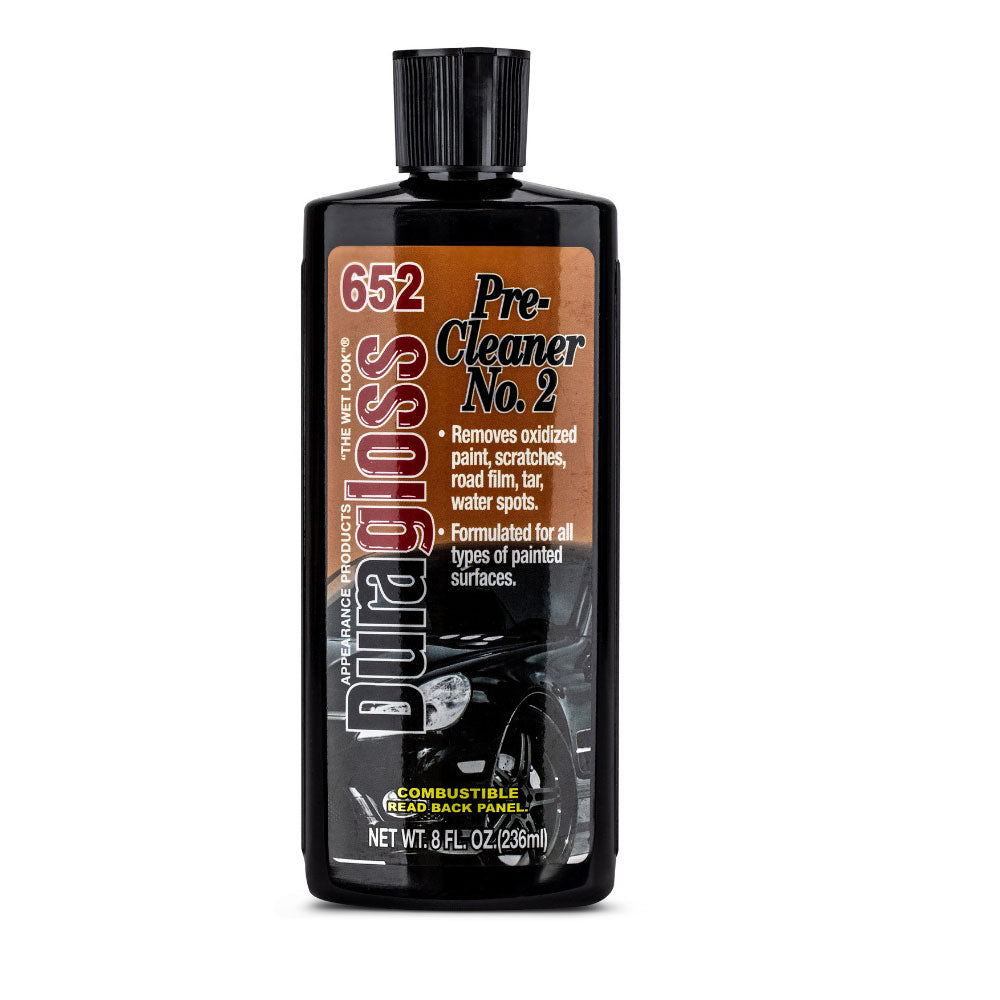
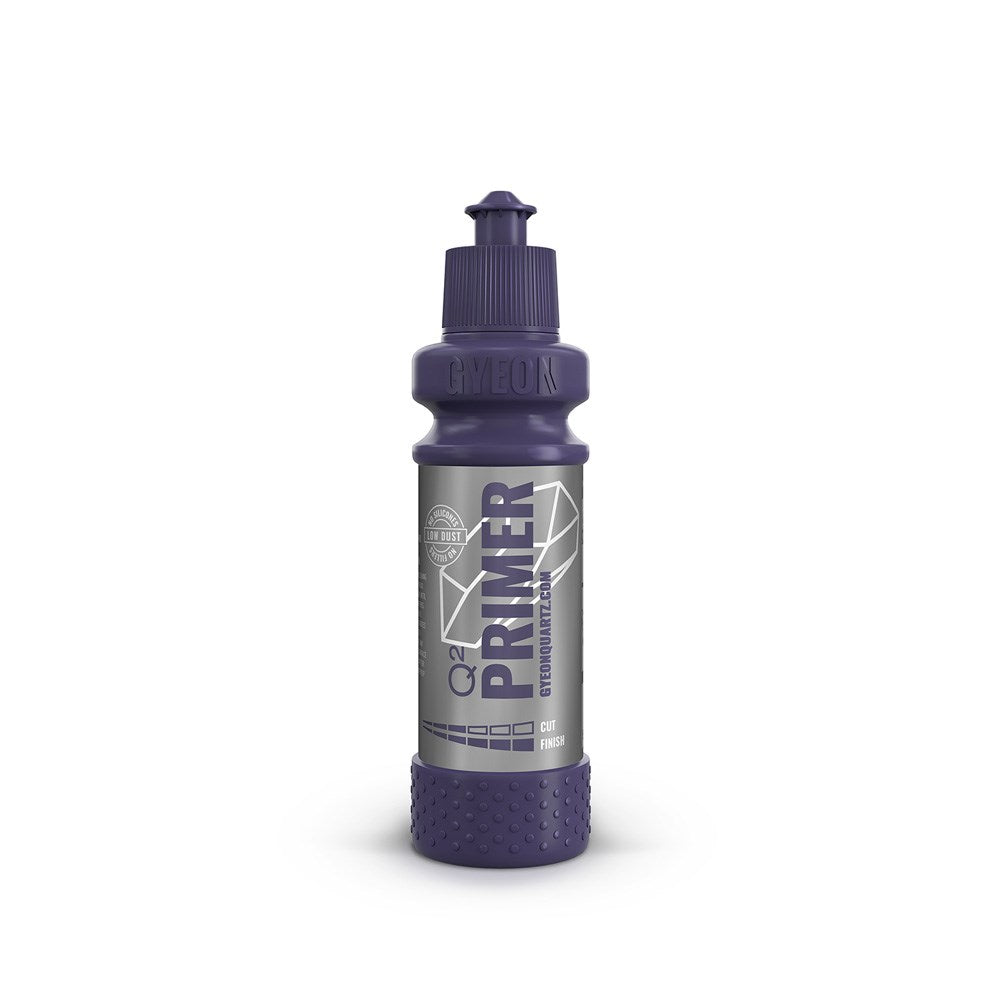
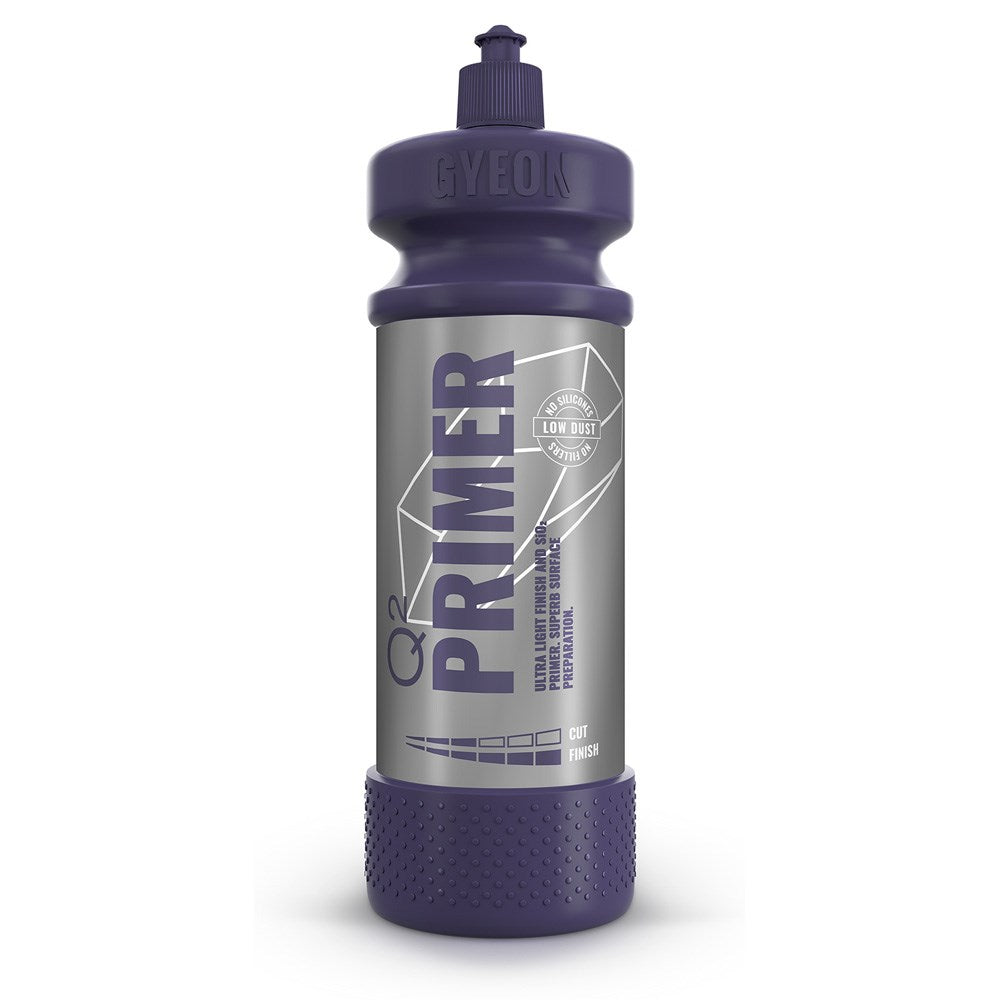
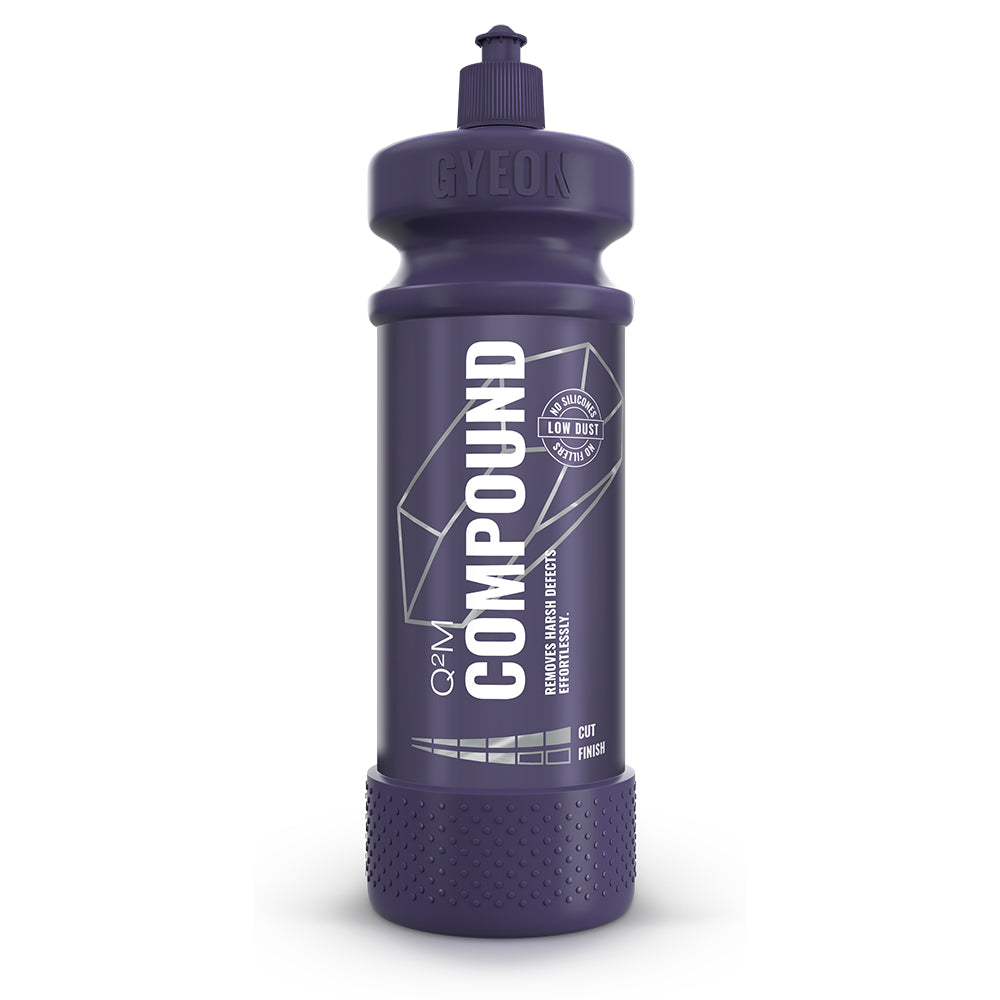
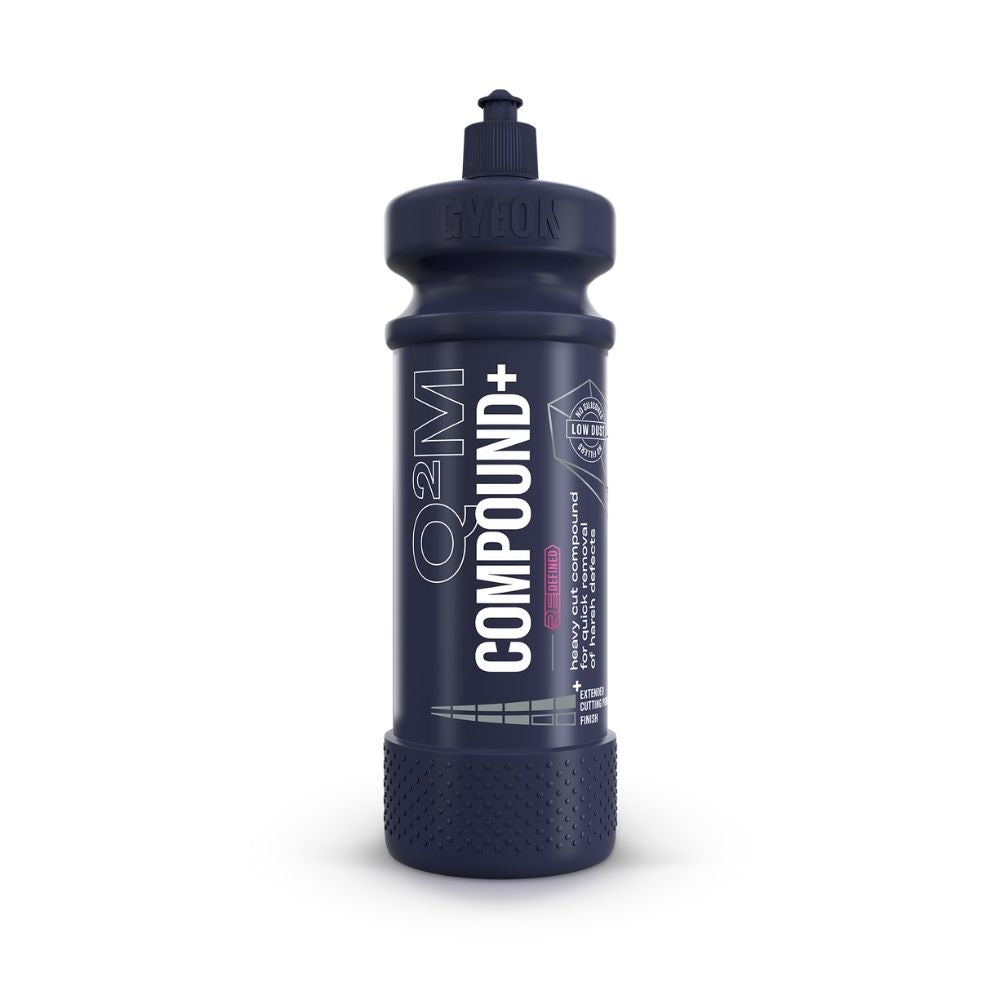
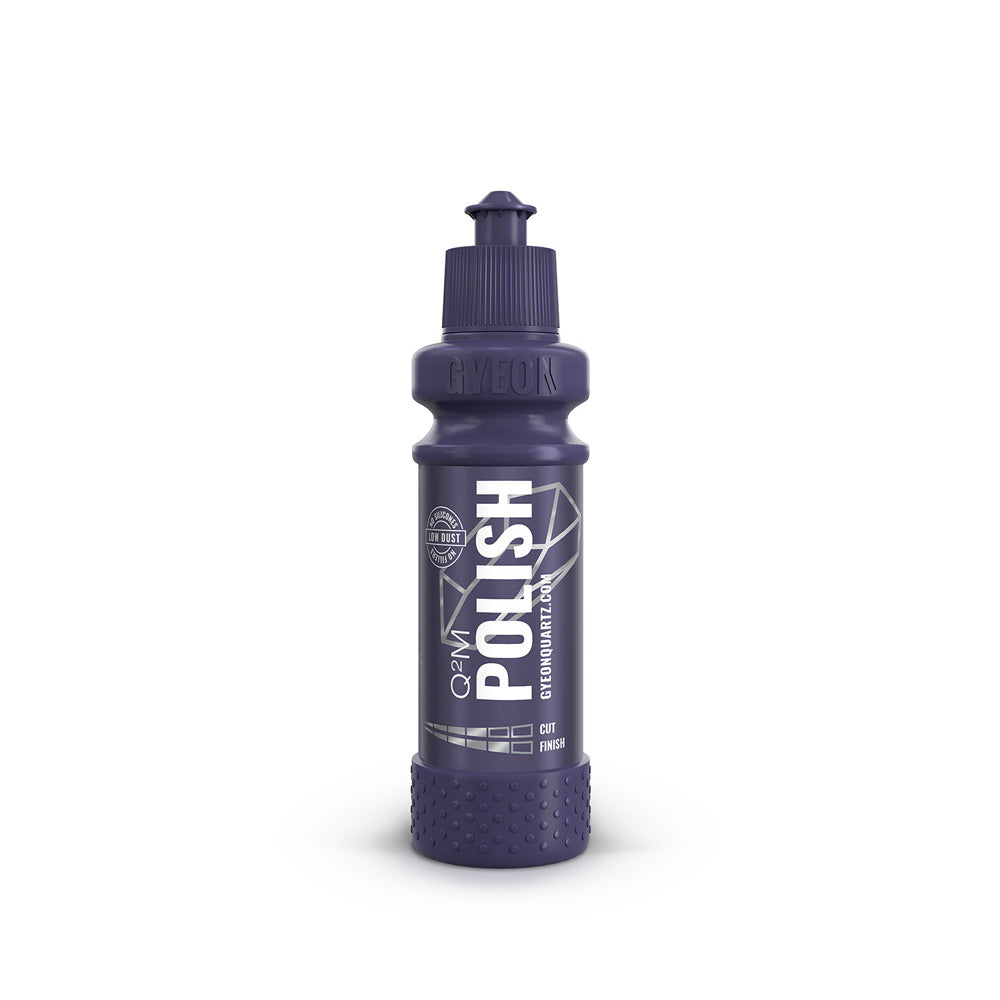
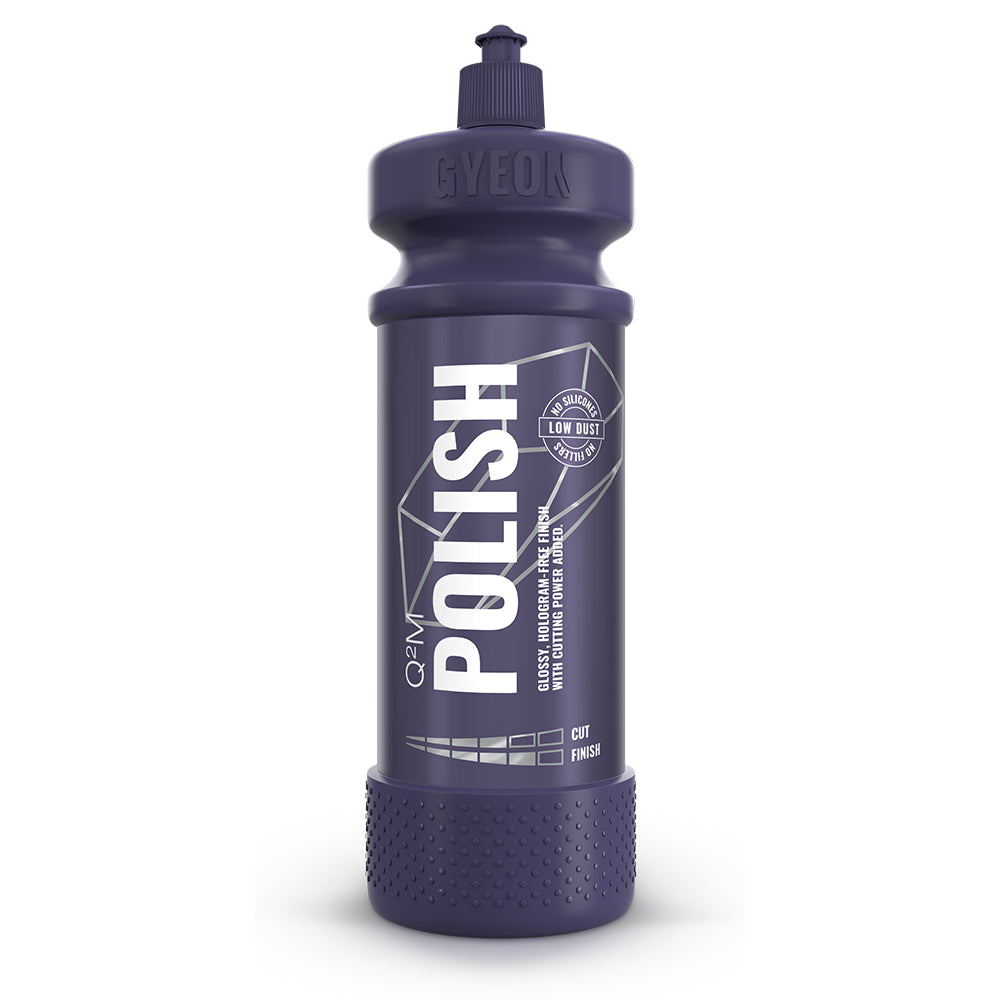
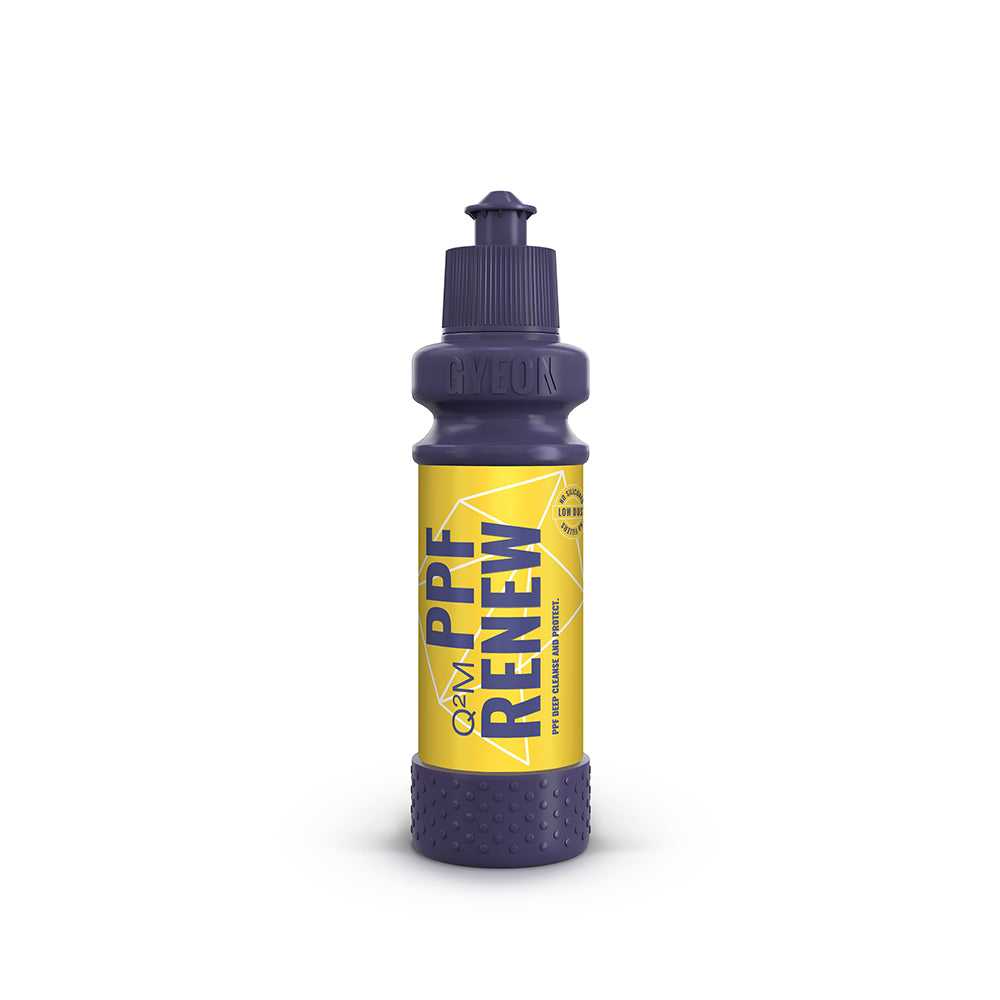
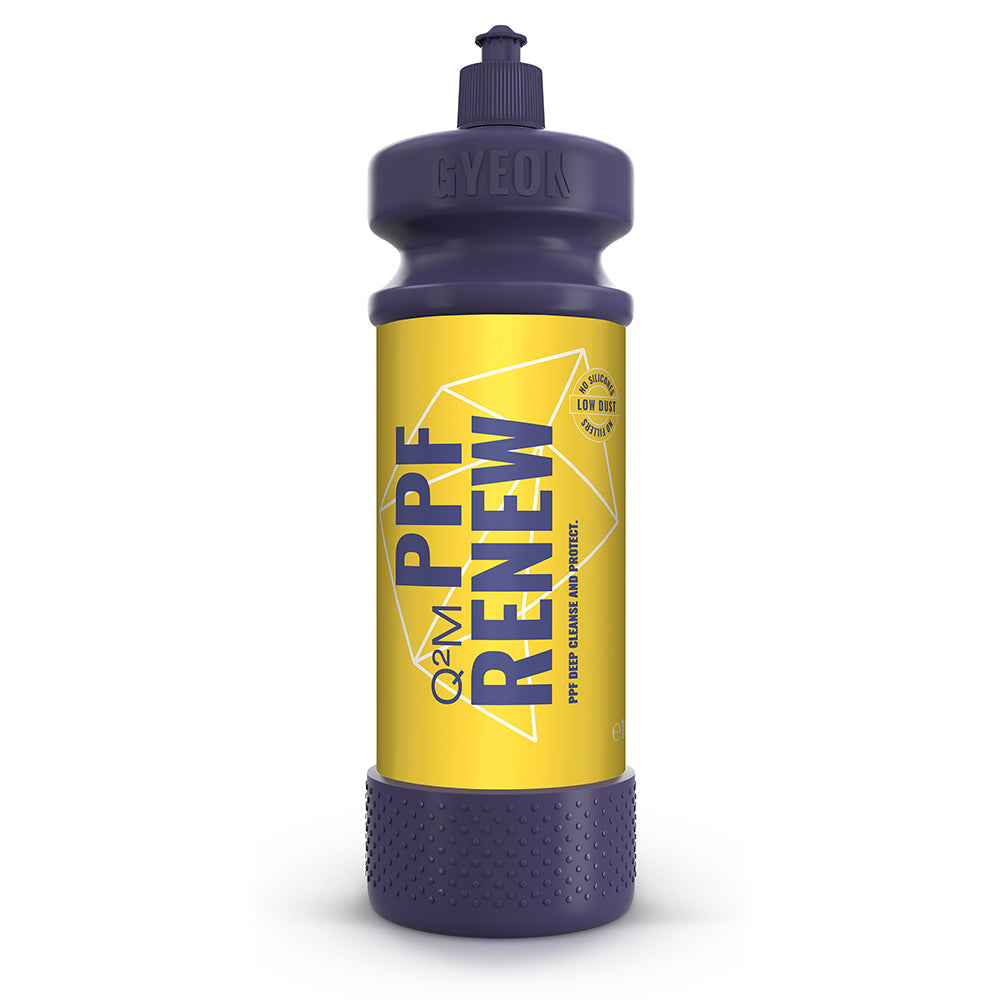
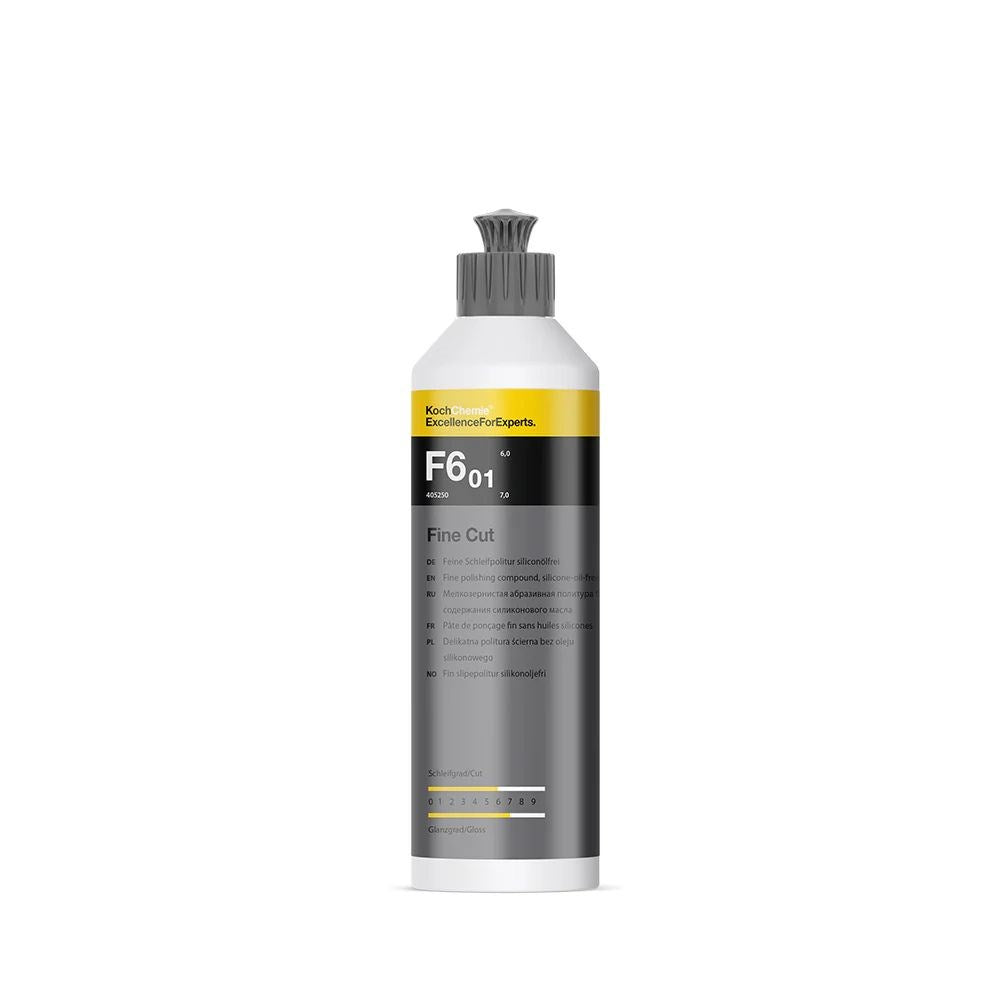
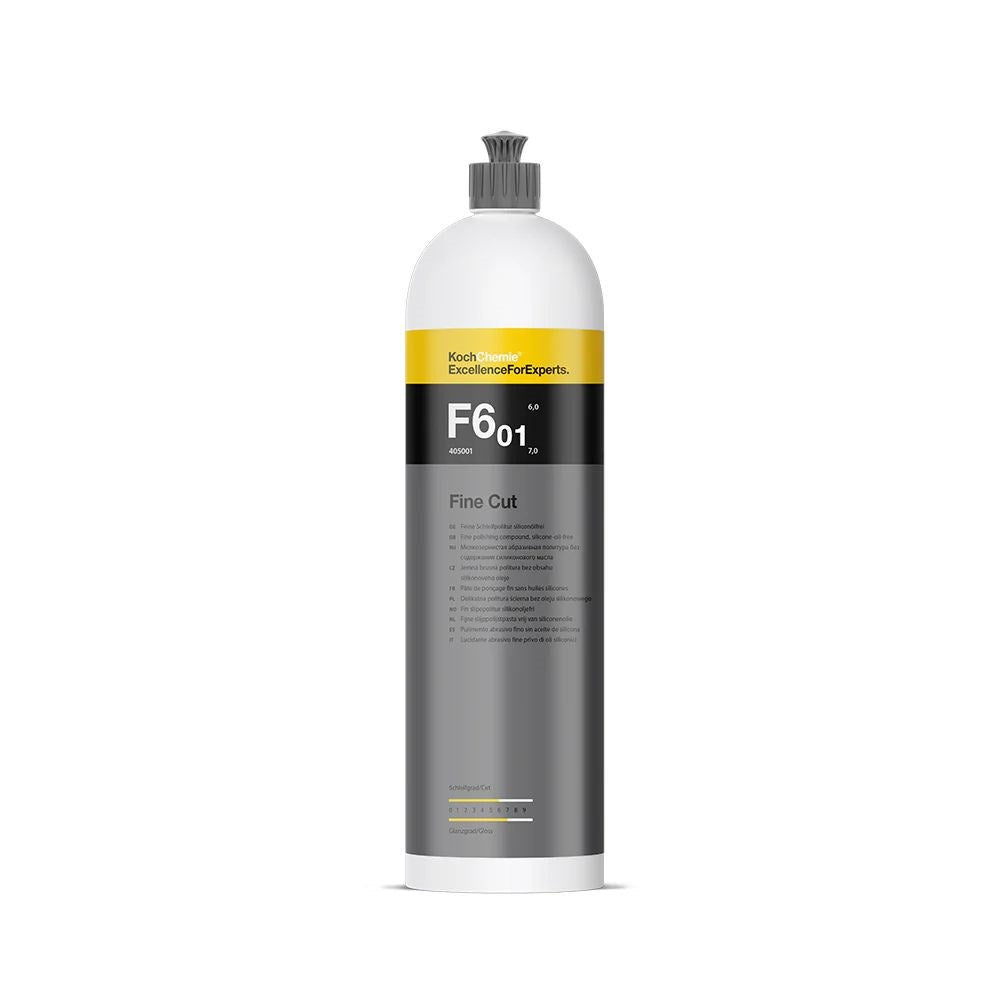
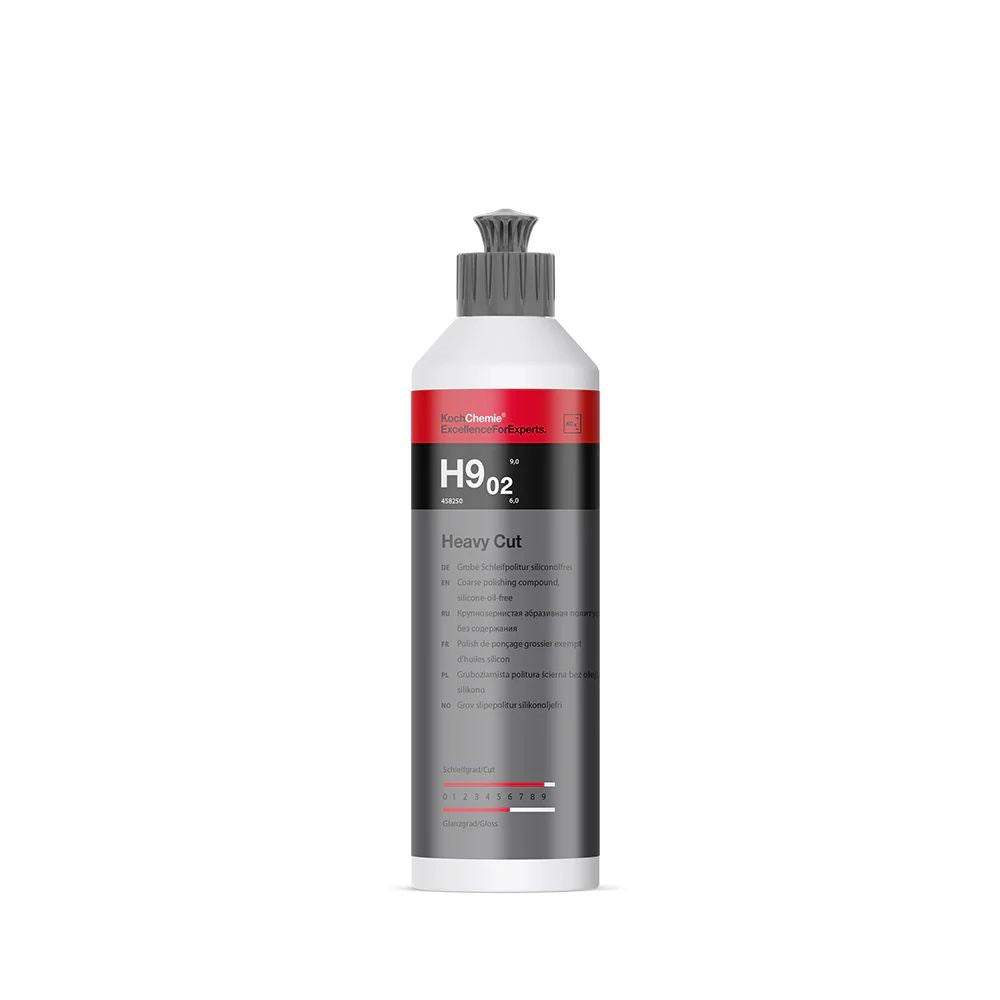
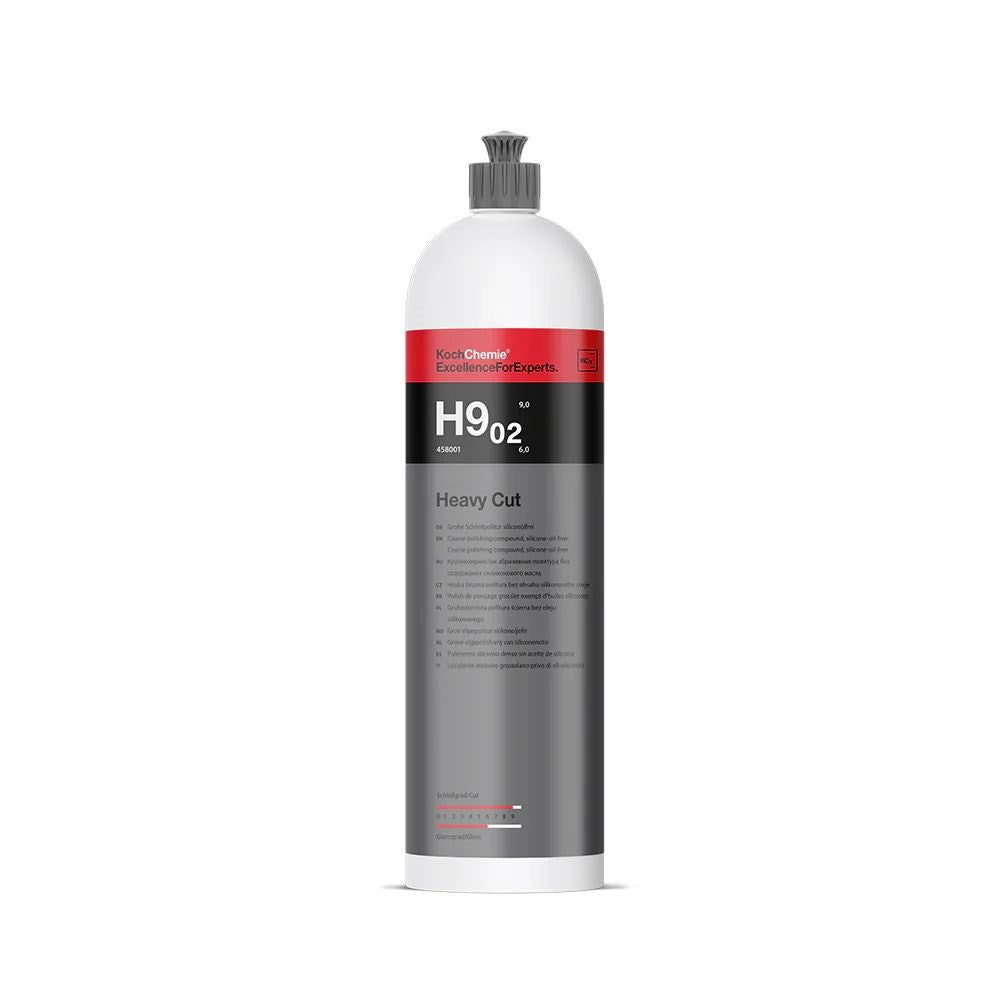
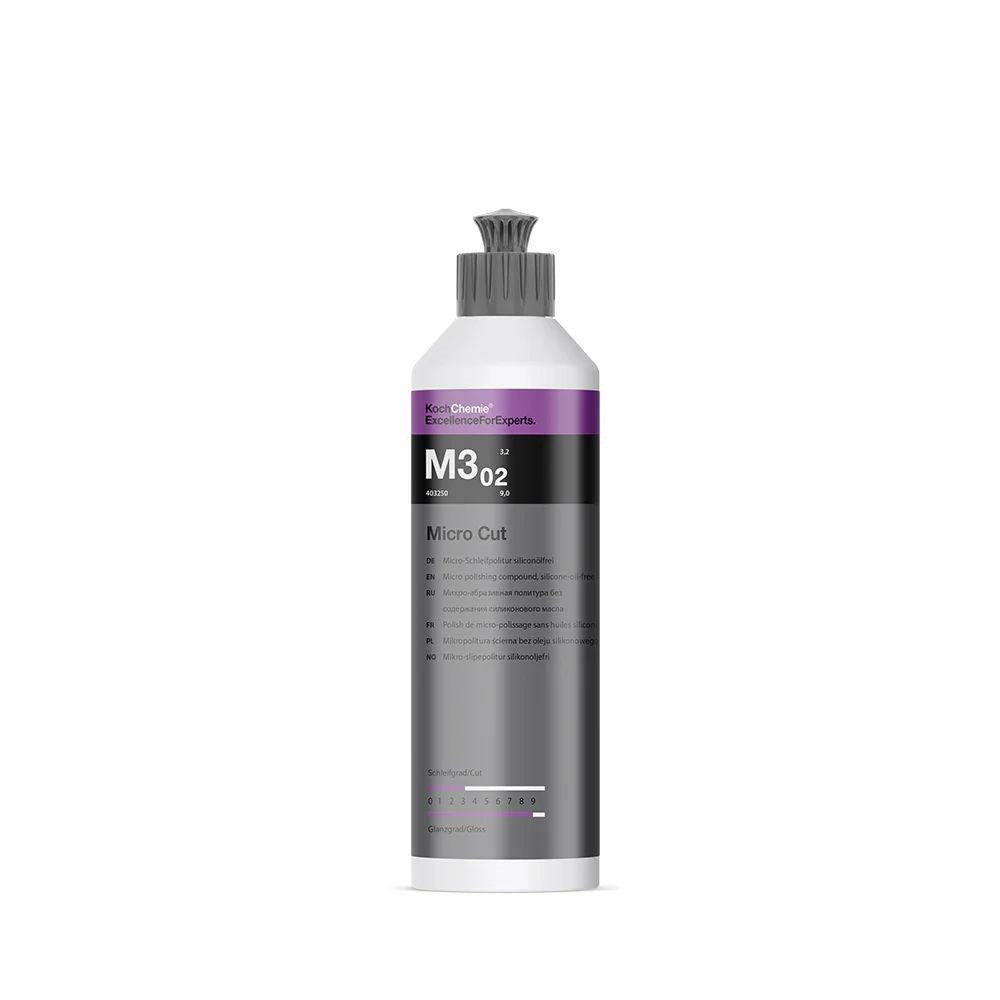
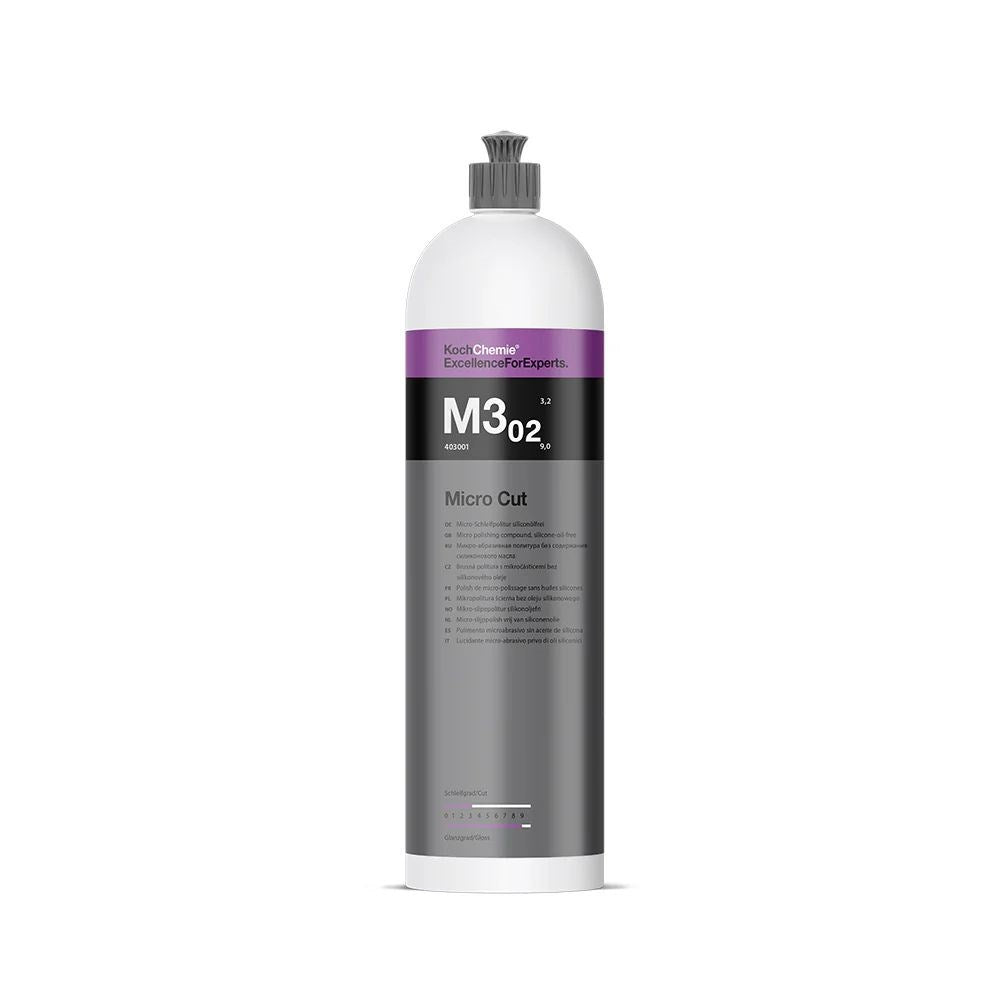
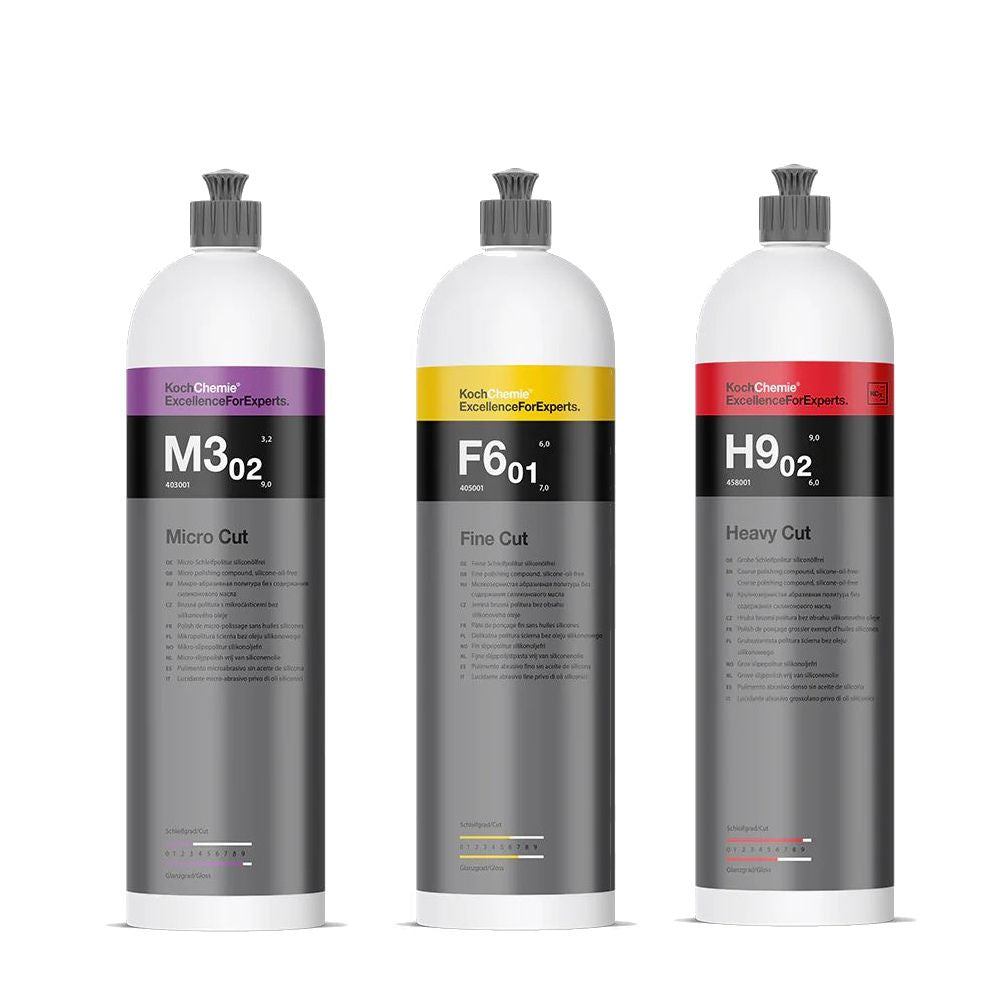
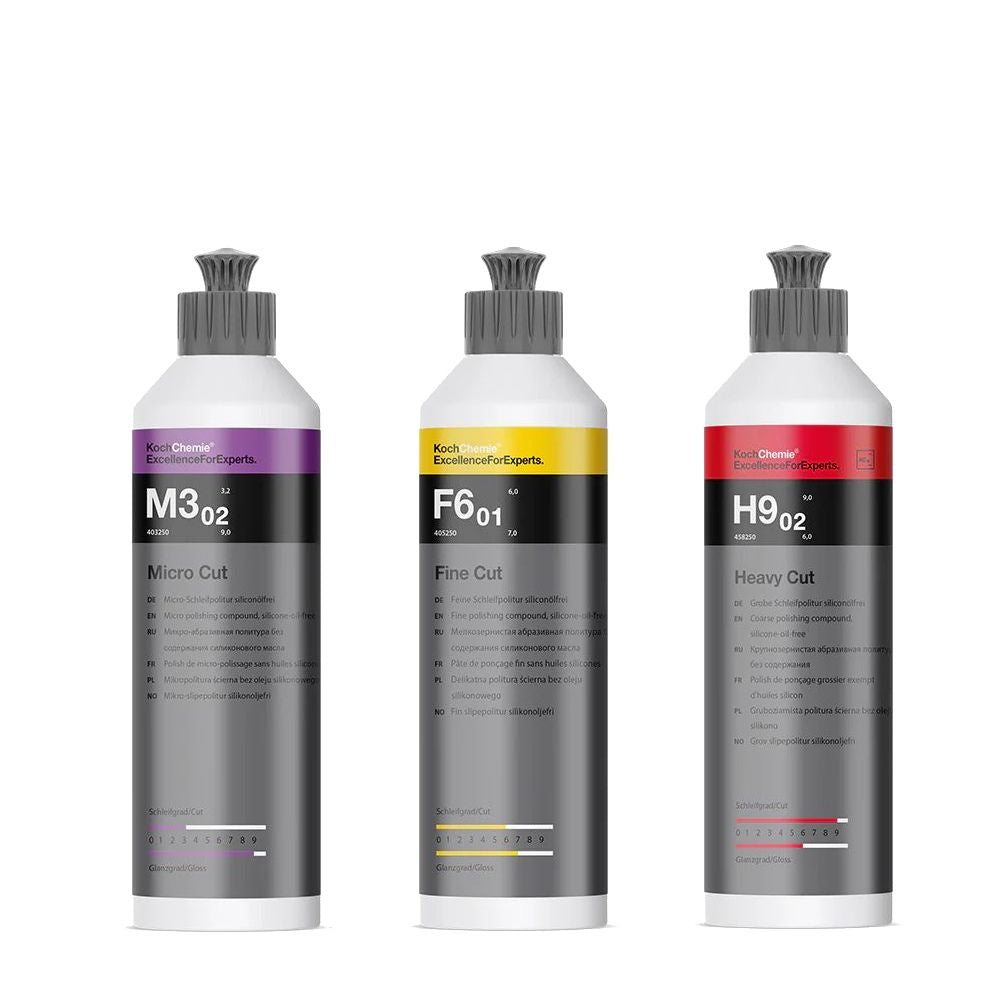
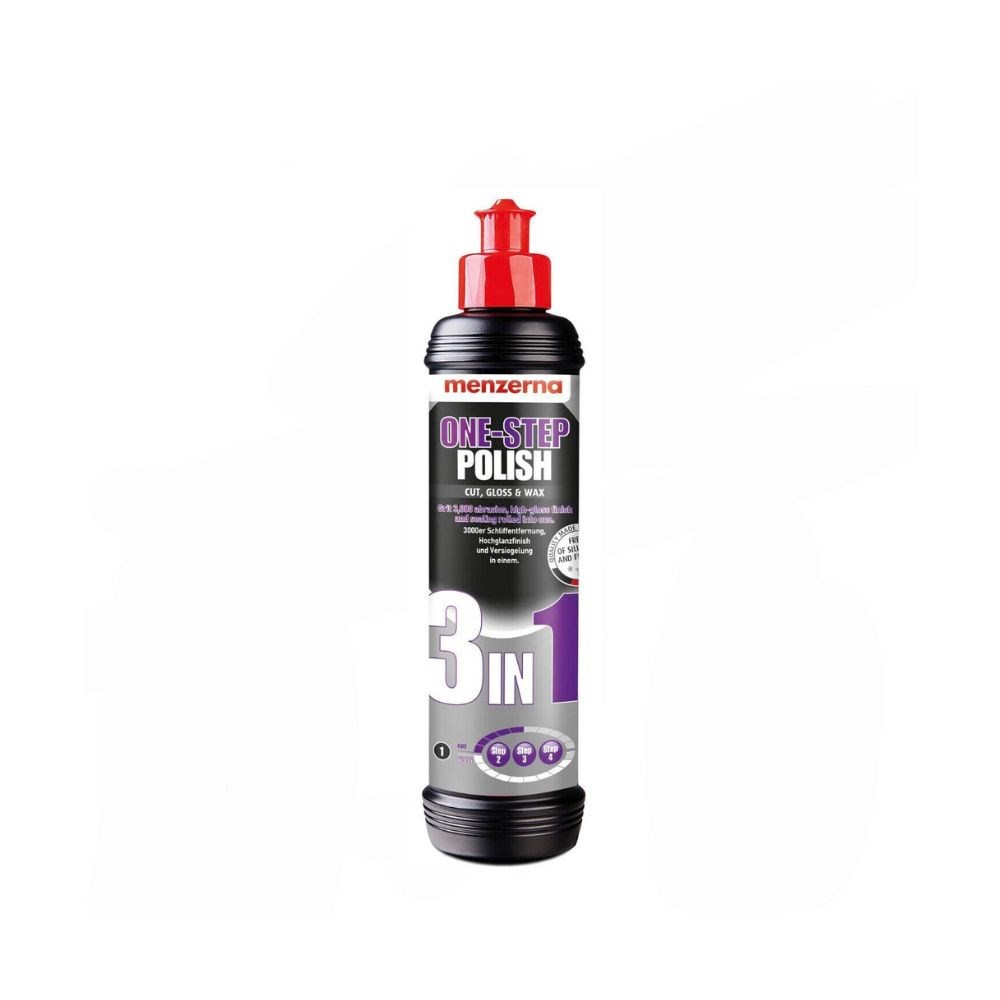
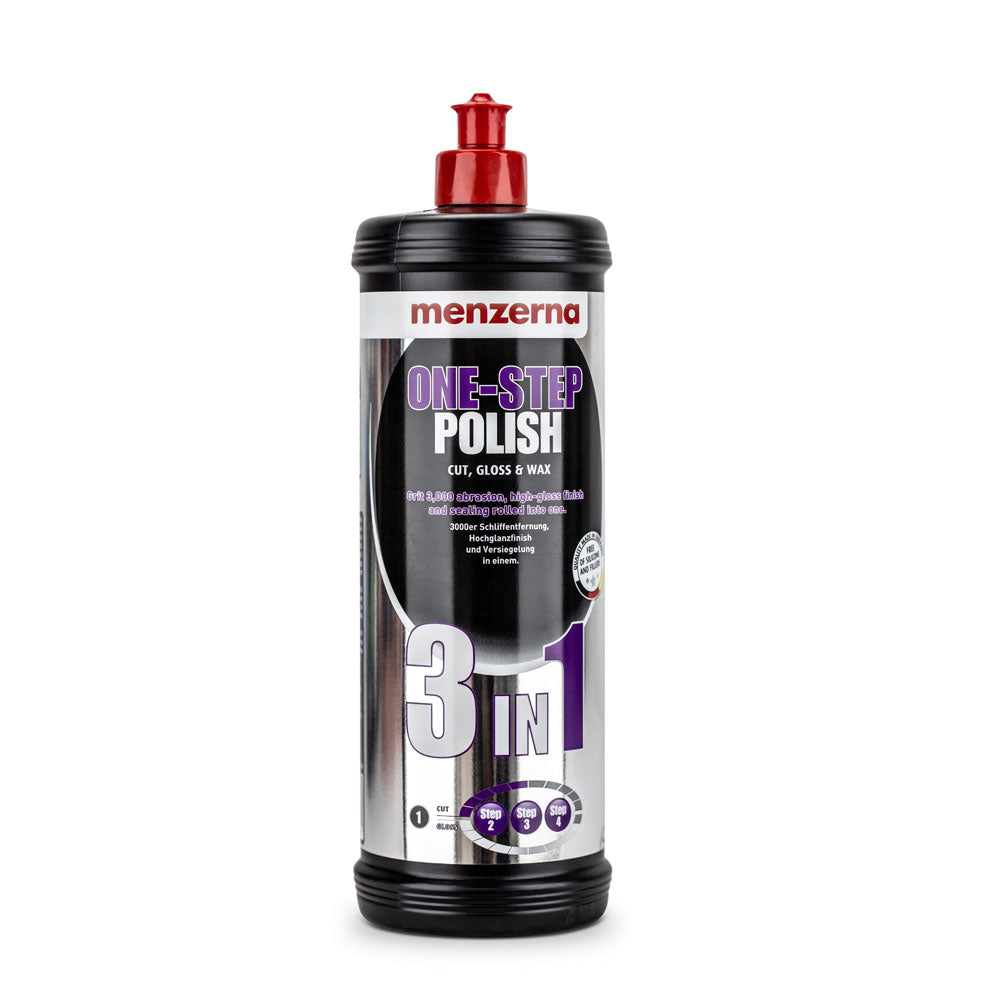
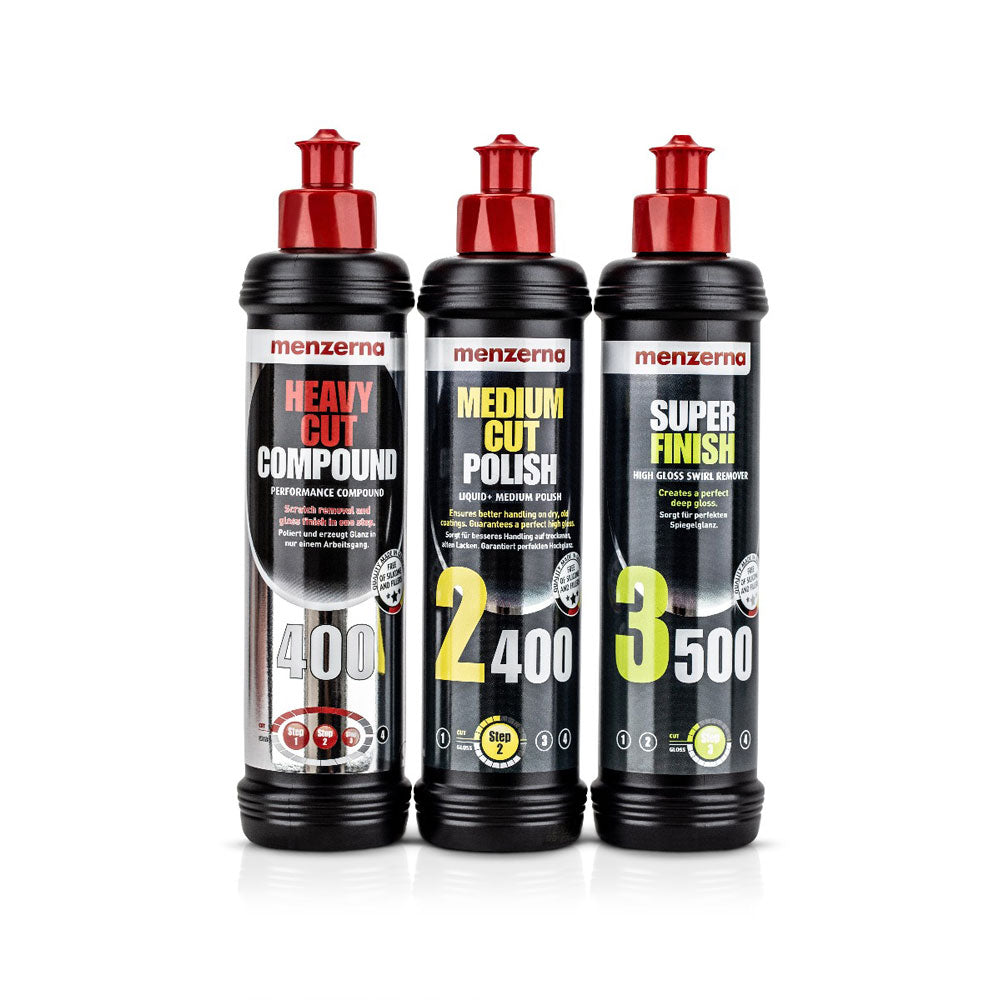
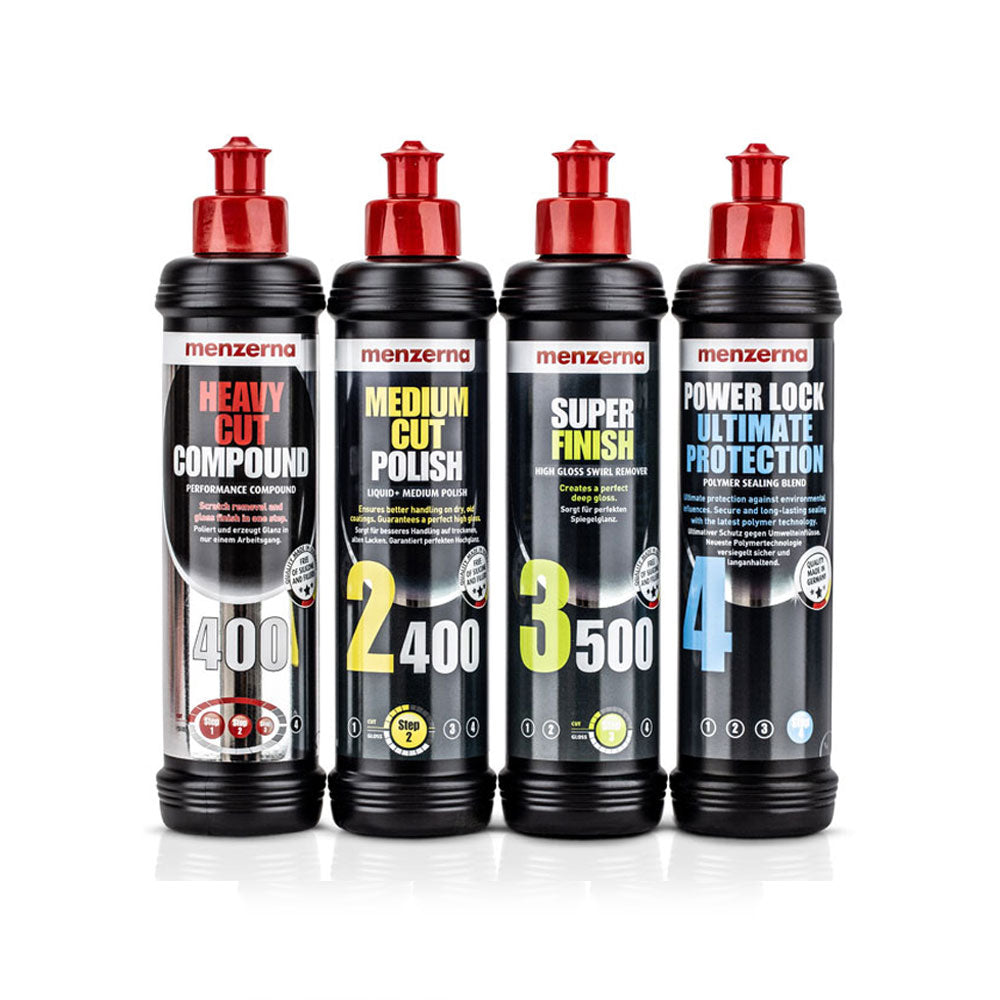
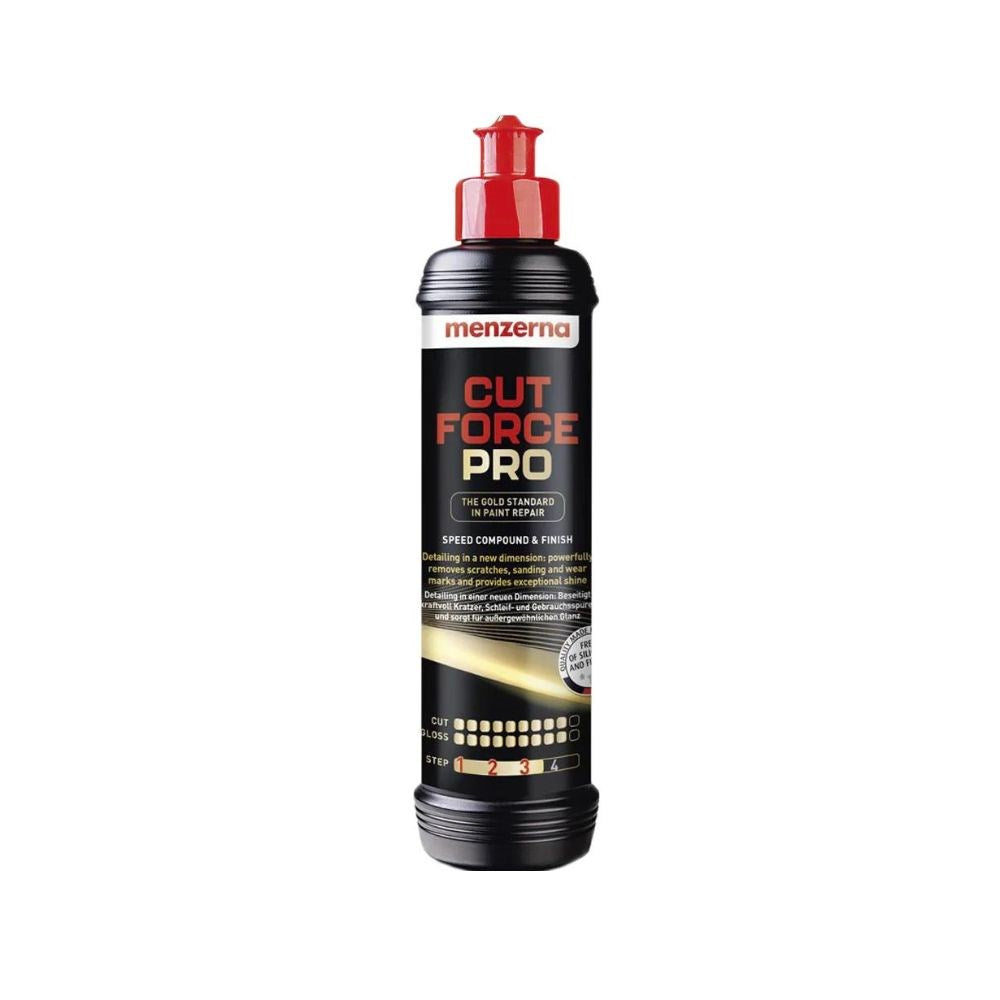
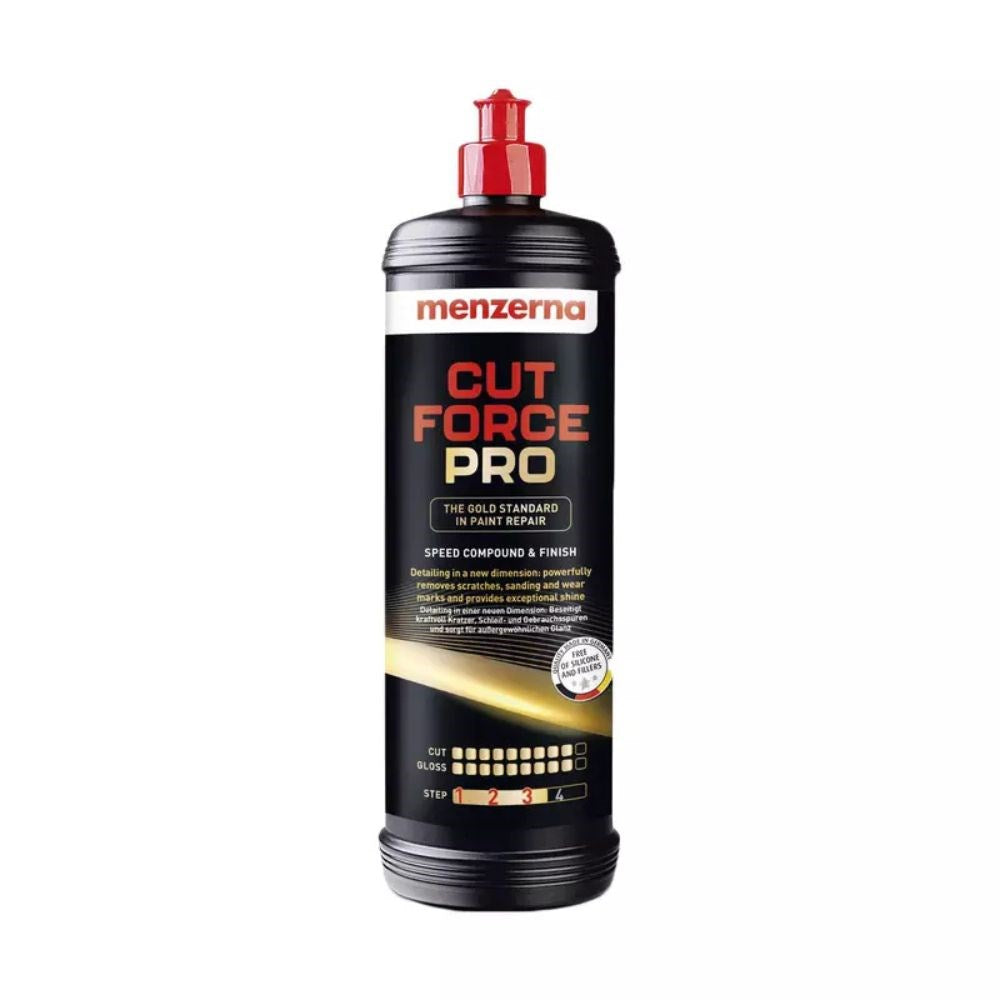
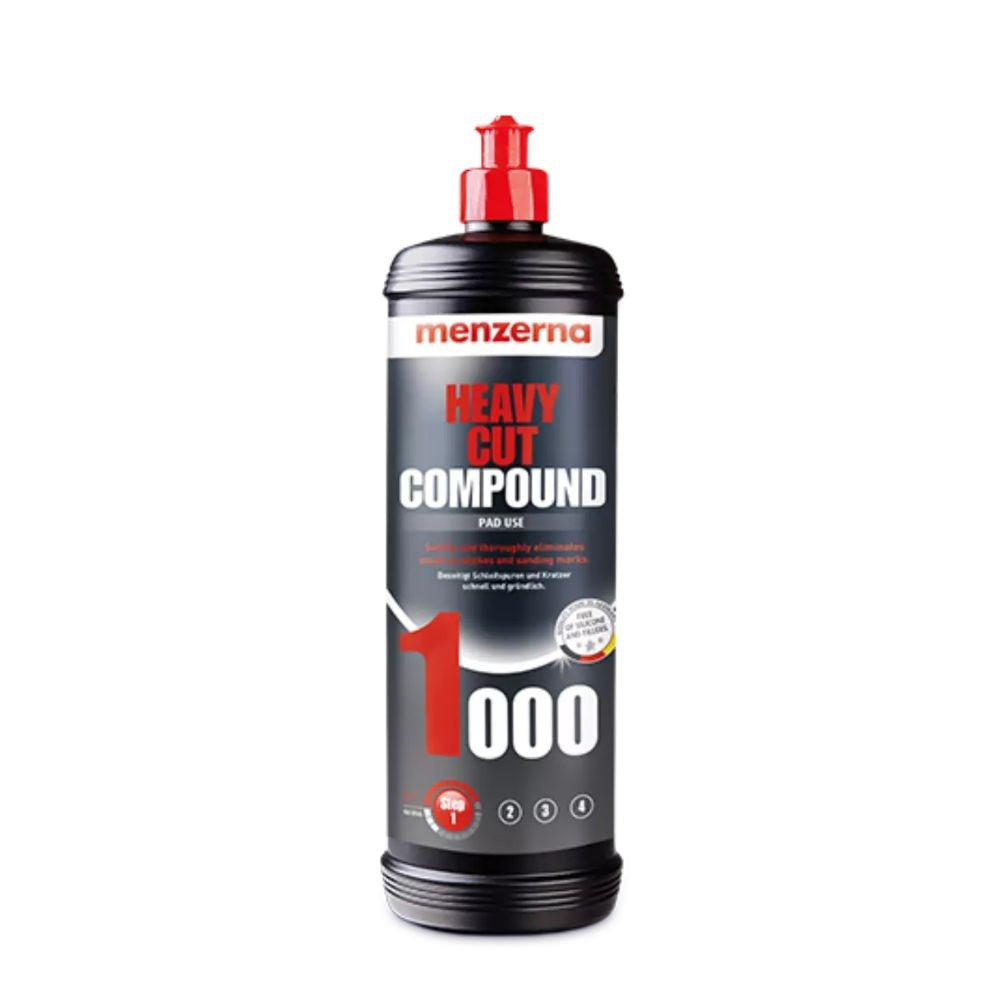
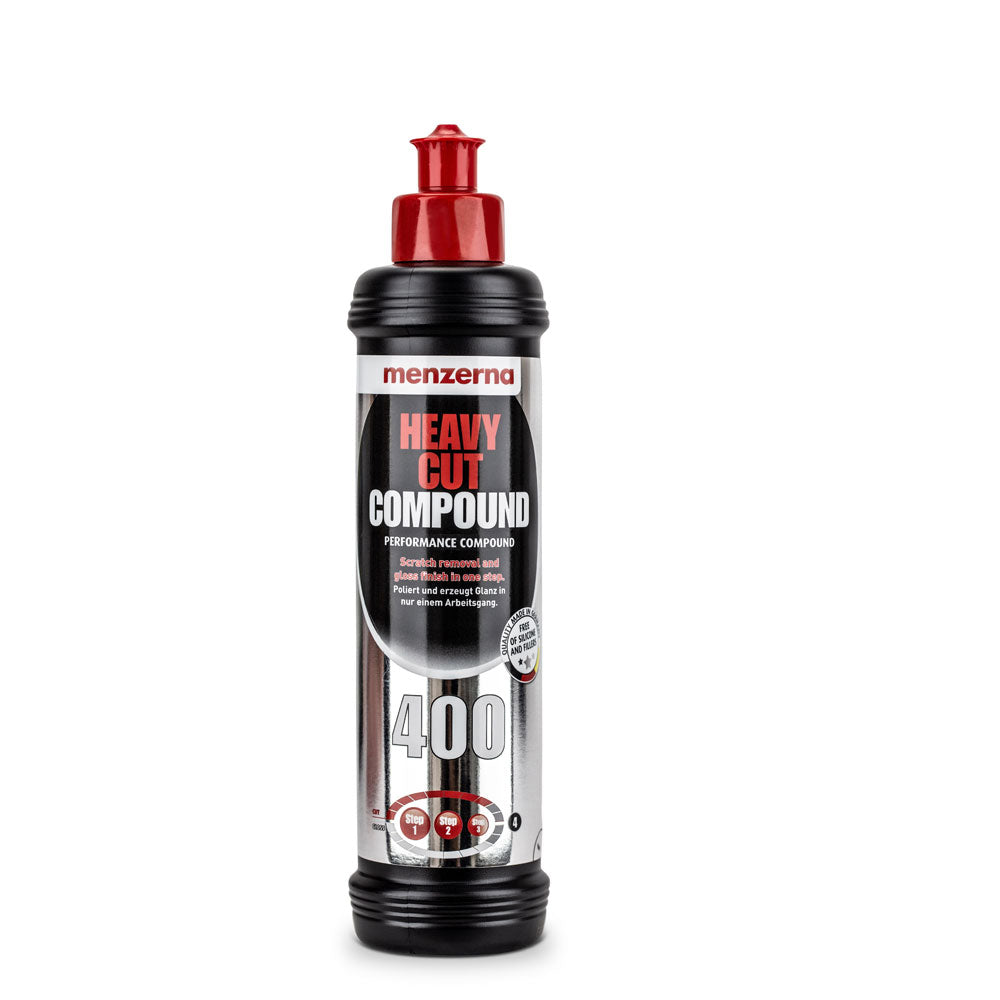
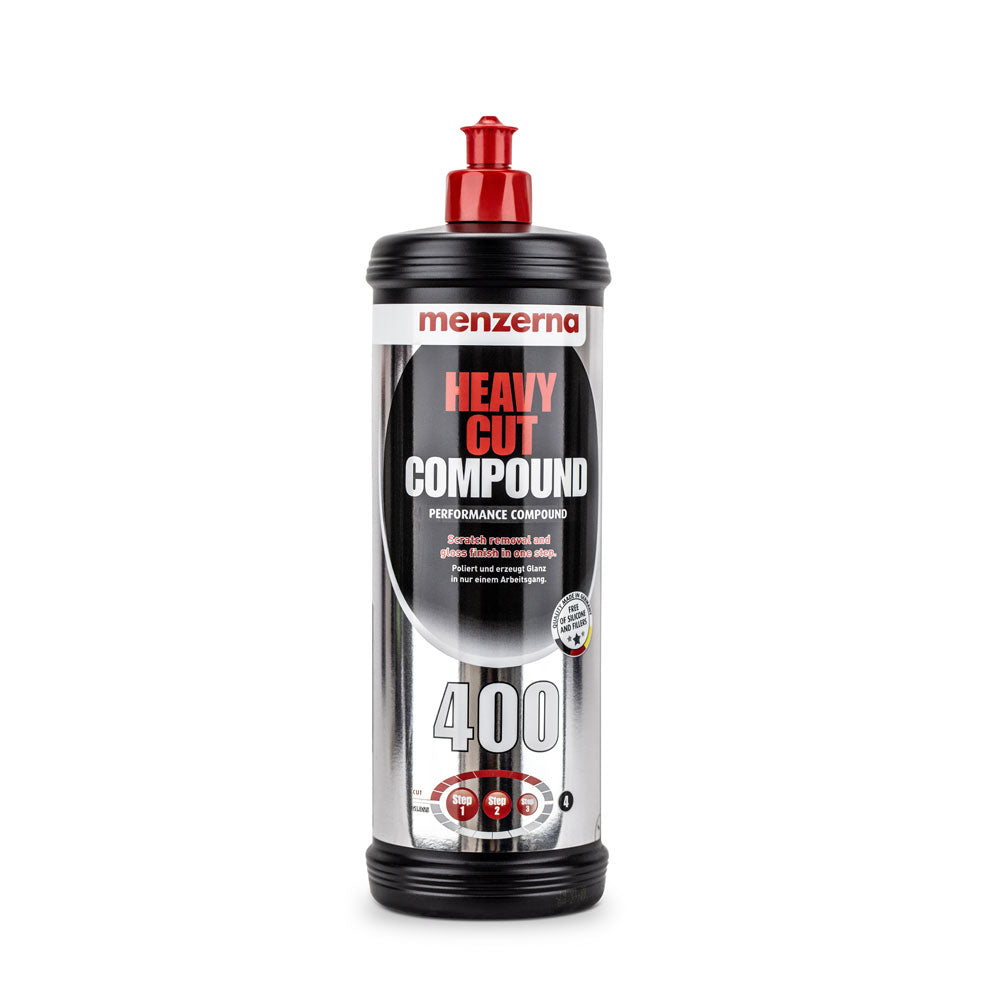
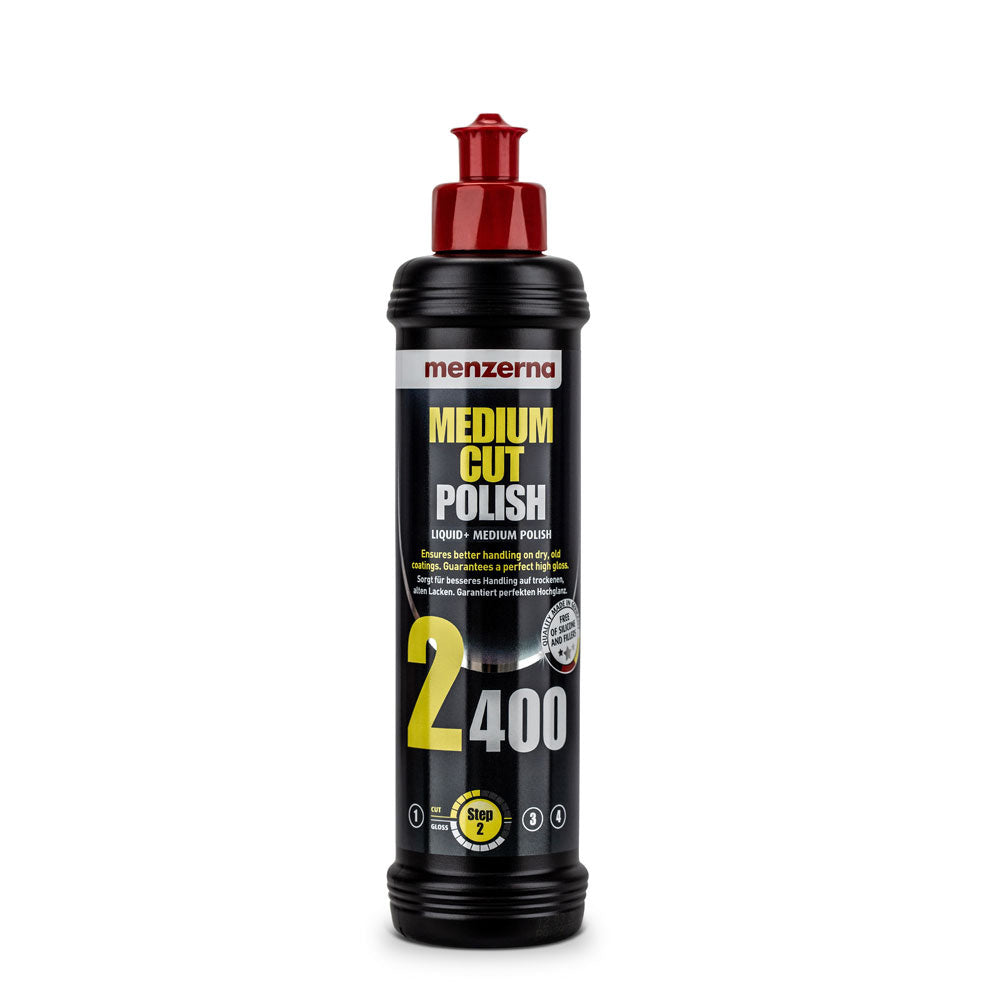
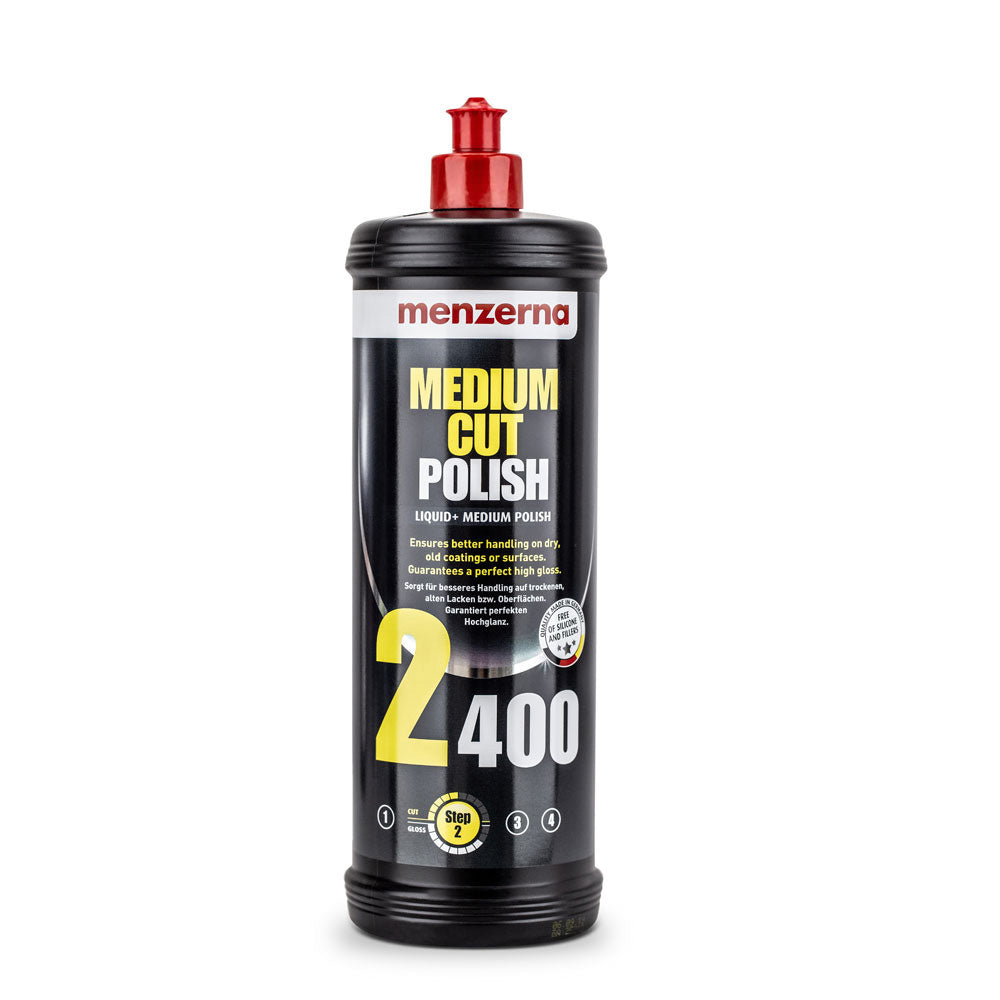
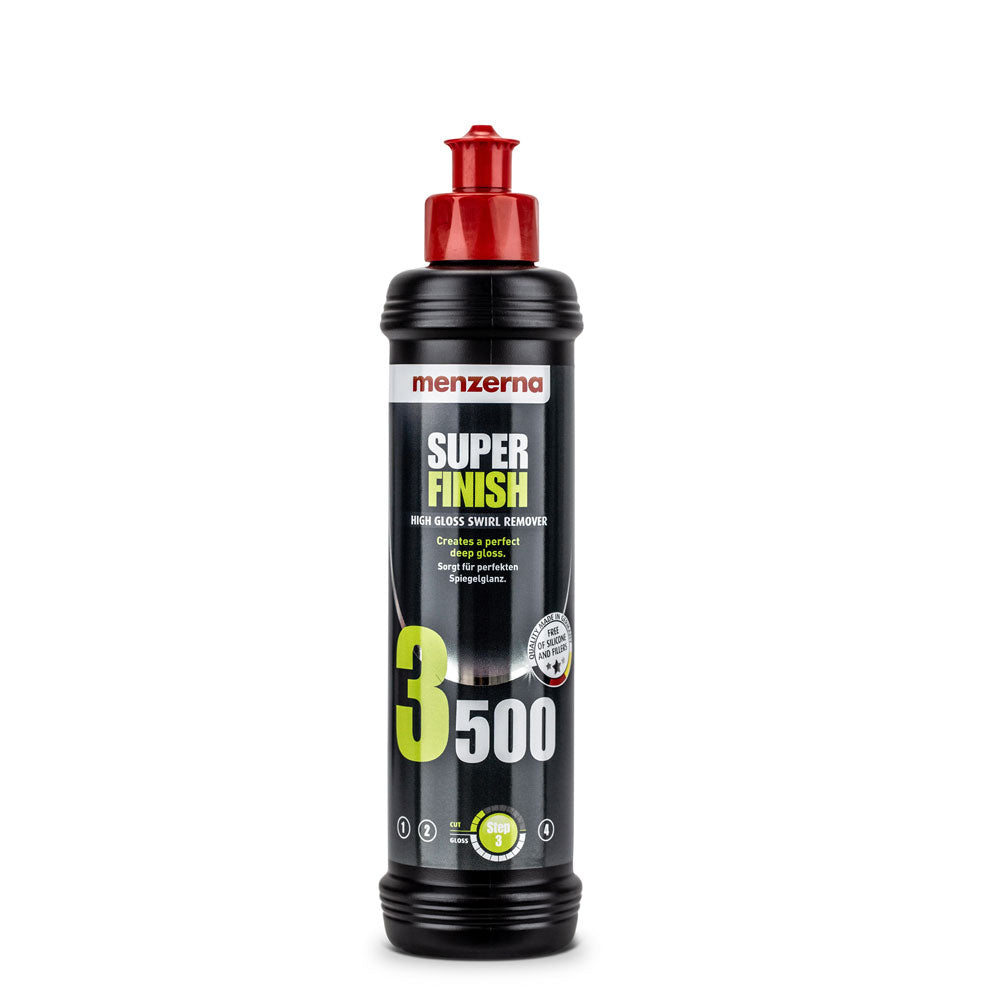
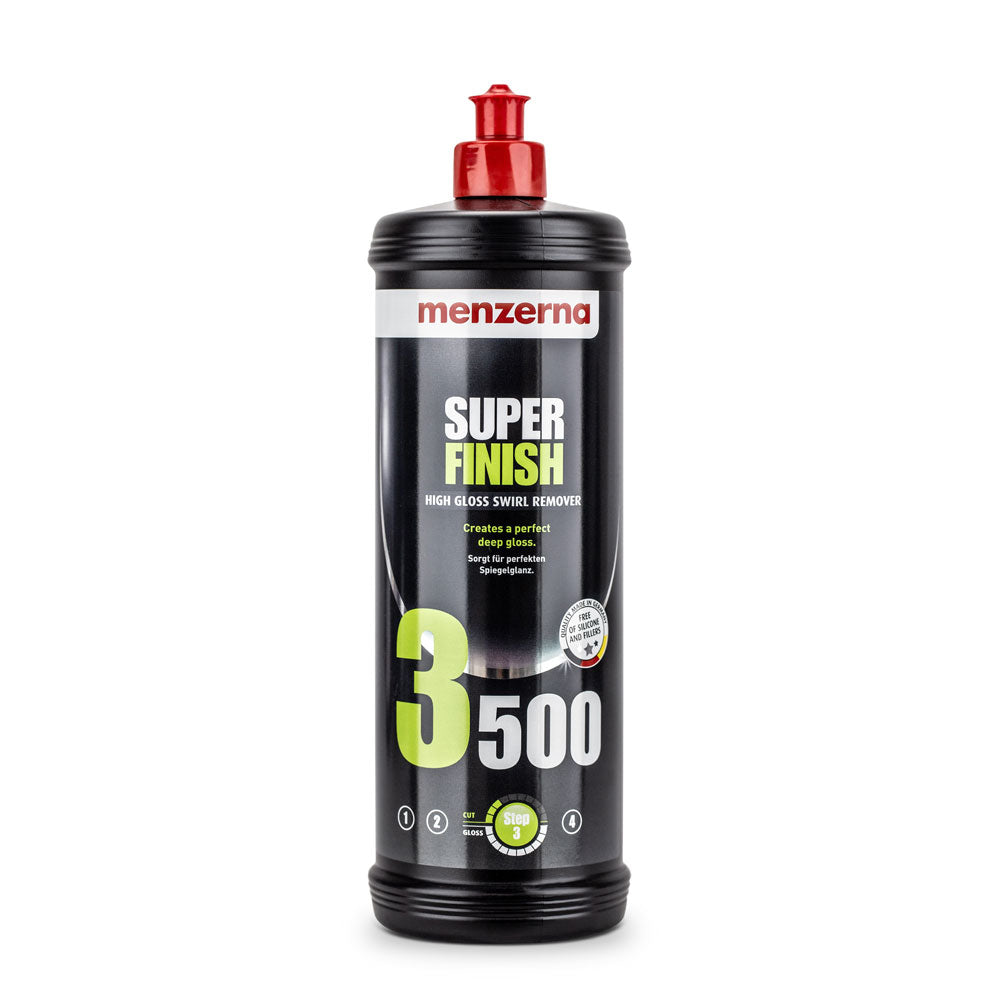
Compounds and polishes: car polish & cutting compound.
-
Prep and inspection: masking tape, detailing lighting and a panel wipe.
Want it all matched for you? Choose a polisher kit.
Shop Polishing by Need
Polish Safely
-
Decontaminate first with iron remover and clay.
-
Always test spot with your least aggressive combination.
-
Stay off edges and body lines, where paint is thinnest.
-
Protect afterwards: polishing removes wax and sealant.
New to it? Our training and events teach machine polishing hands-on.
Why Buy Polishing Products From Car Care Products Australia?
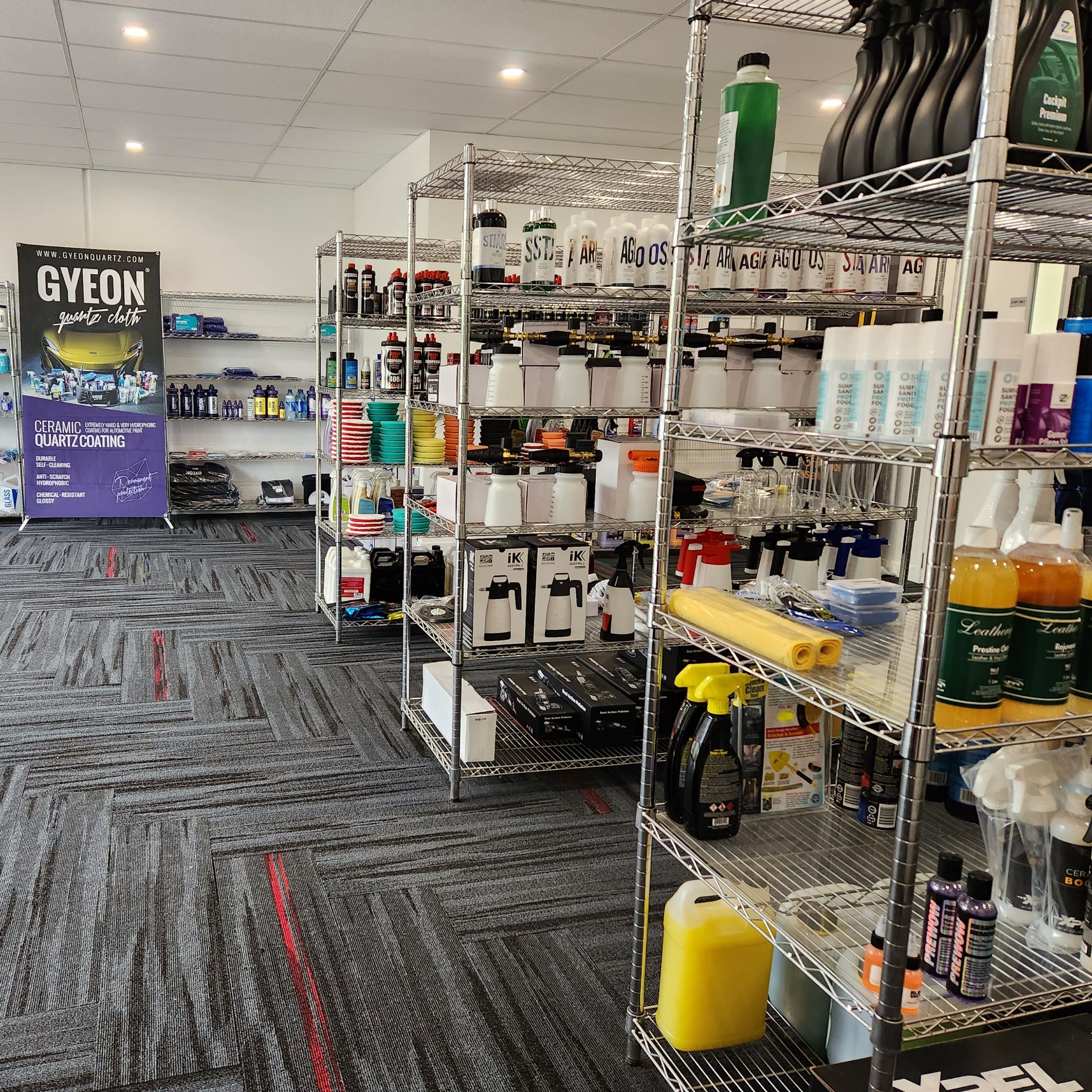
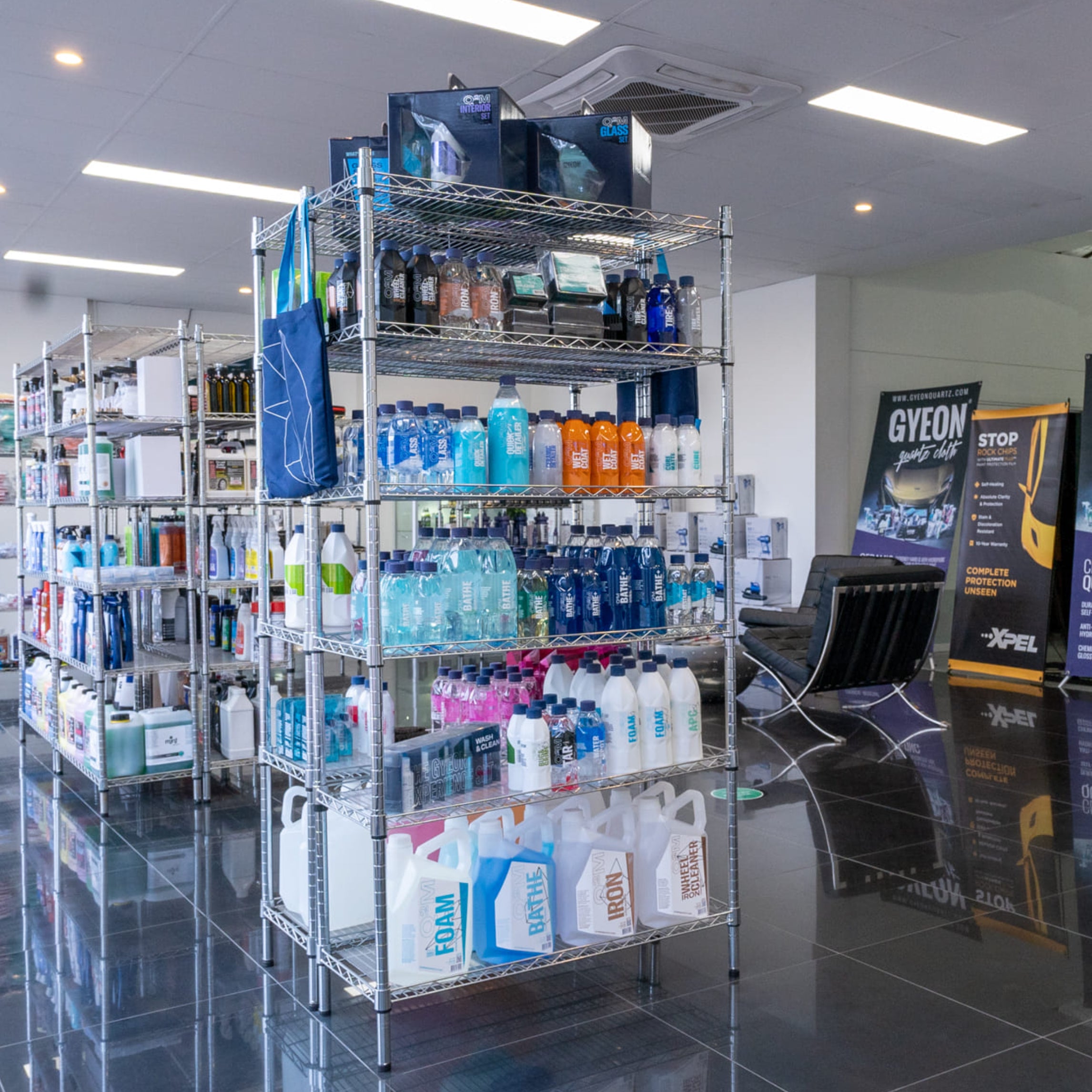
Car Care Products Australia has supplied the detailing industry since 2007 and is the official Australian distributor for Menzerna polishing compounds and GYEON. Our team polishes cars every day and can help you choose the right machine, pads and polish. Visit our showrooms in Leichhardt, Sydney or Murarrie, Brisbane, call 1300 006 007, or contact our team. Free shipping on orders over $150 (conditions apply).
Car Polishing FAQs
What is paint correction?
Paint correction is machine polishing the clear coat to remove defects like swirl marks, light scratches and oxidation. It usually involves a cutting compound followed by a finishing polish, then protection.
What do I need to polish a car?
You need a machine polisher, a matching backing plate, polishing pads, and a compound and polish. Masking tape, good lighting and a panel wipe complete the setup. A polisher kit bundles the essentials.
Can I polish my car at home?
Yes. A dual action polisher is safe and effective for home use. Wash and decontaminate first, start with a test spot, and use the least aggressive pad and polish that works.
How do I remove swirl marks?
Wash and decontaminate the paint, then machine polish with a suitable pad and polish, starting with a test spot. Finish with a panel wipe and protect the paint.
Is a DA or rotary polisher better for beginners?
A dual action polisher is best for beginners. Its random orbit spreads heat and makes it very difficult to damage paint, while still removing swirls effectively.
Do I need to wax after polishing?
Yes. Polishing removes protection and leaves bare paint. Follow with wax, sealant or ceramic coating.