
Car Polishers & Buffers
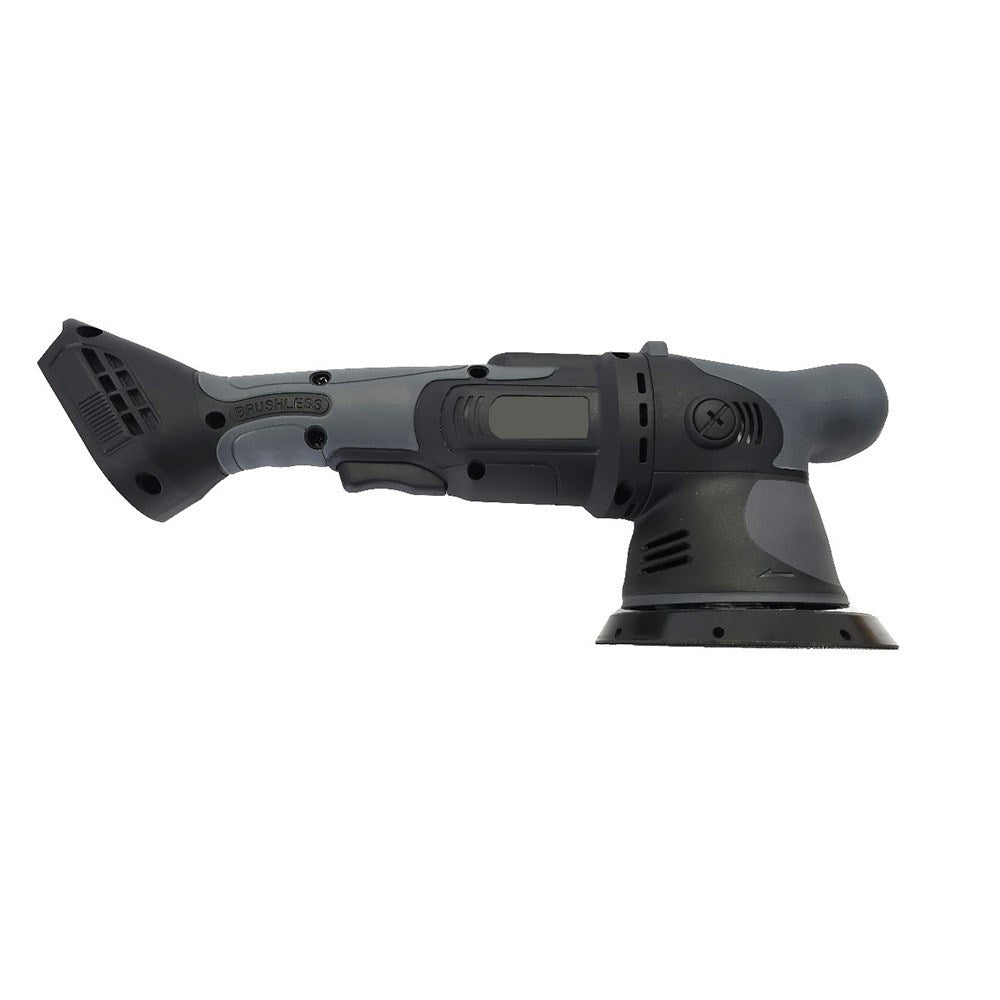
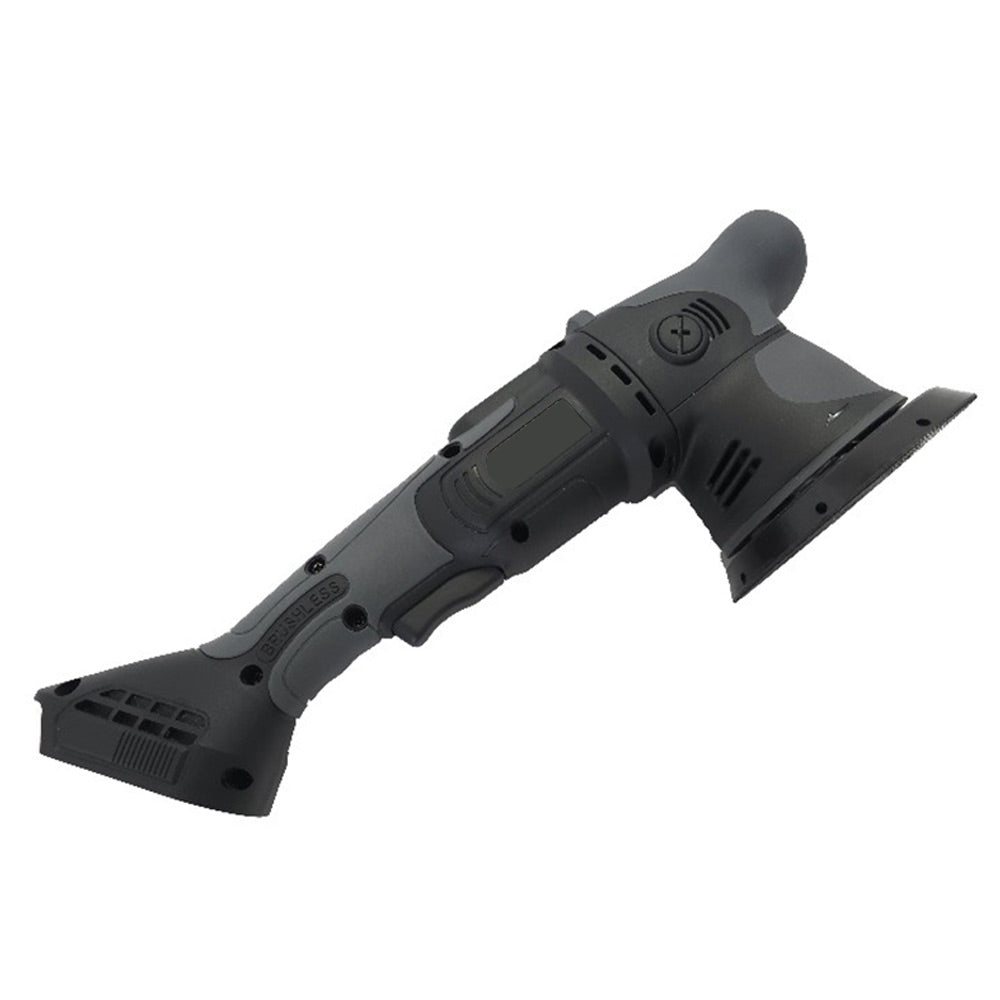
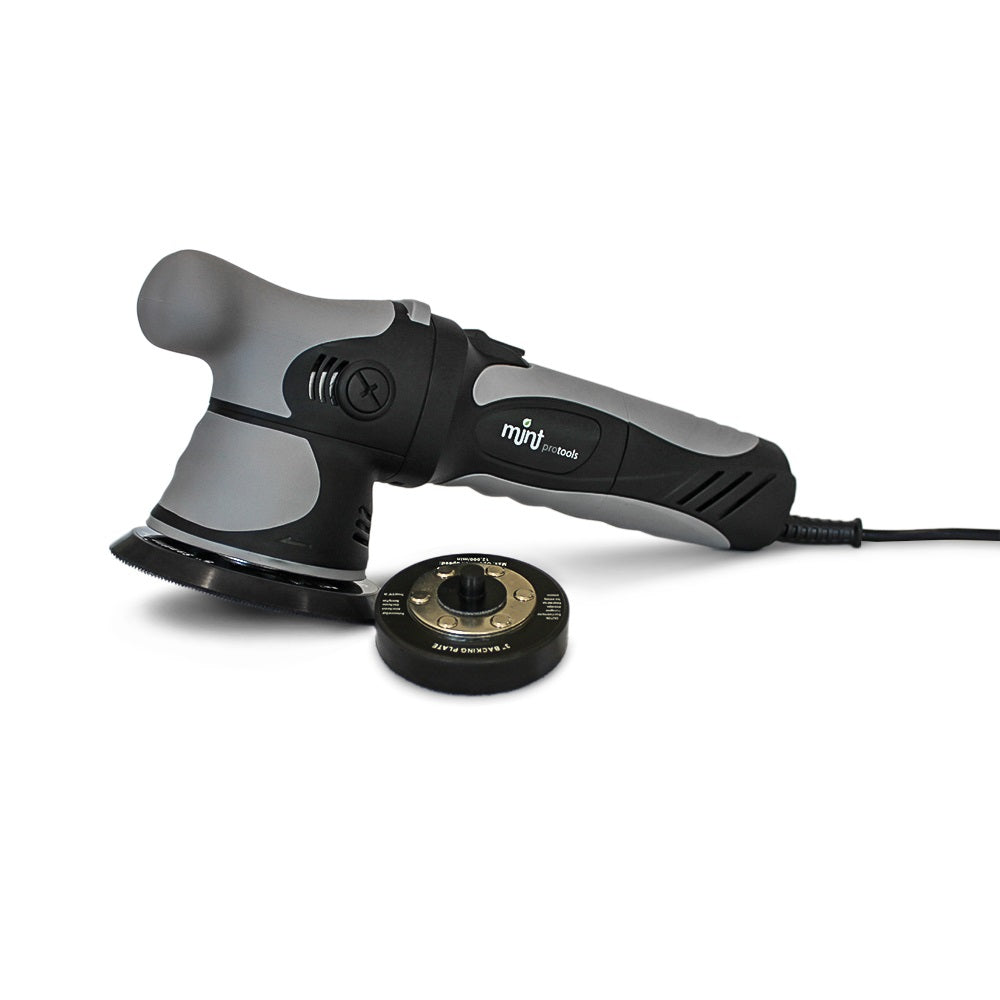
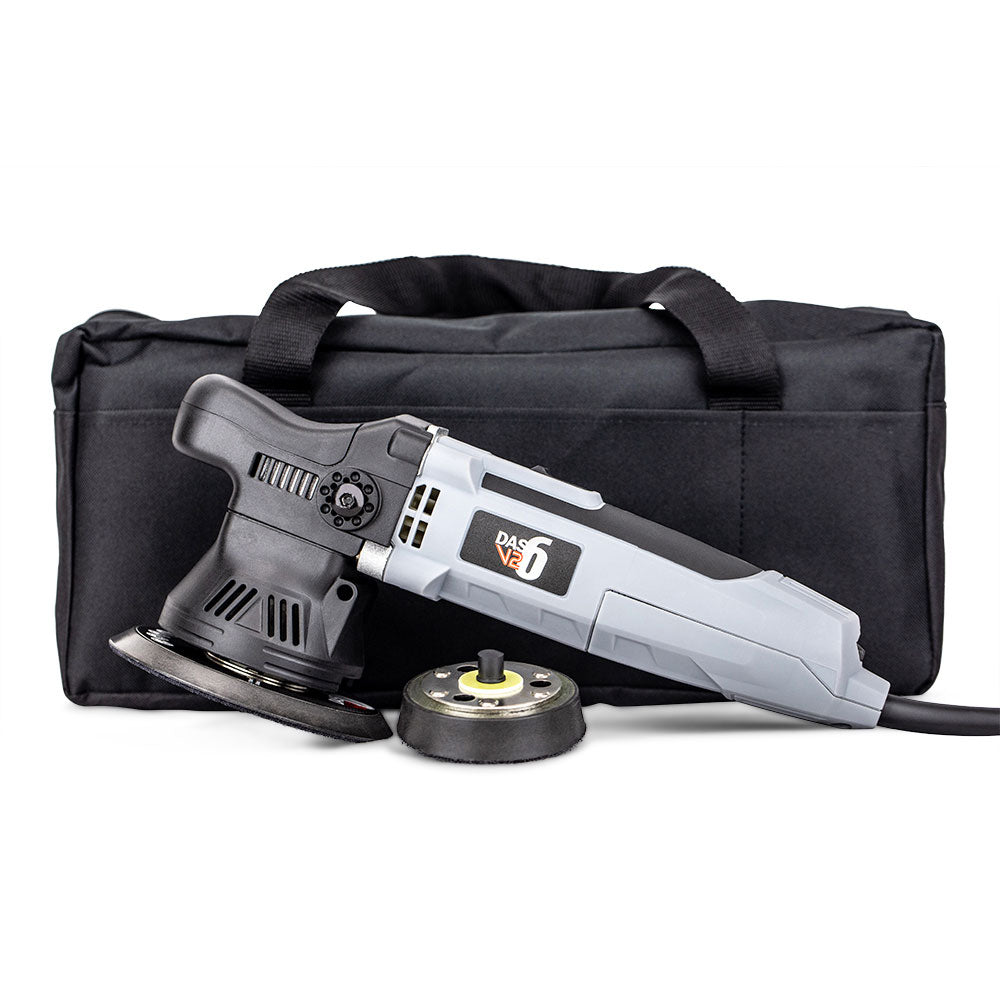
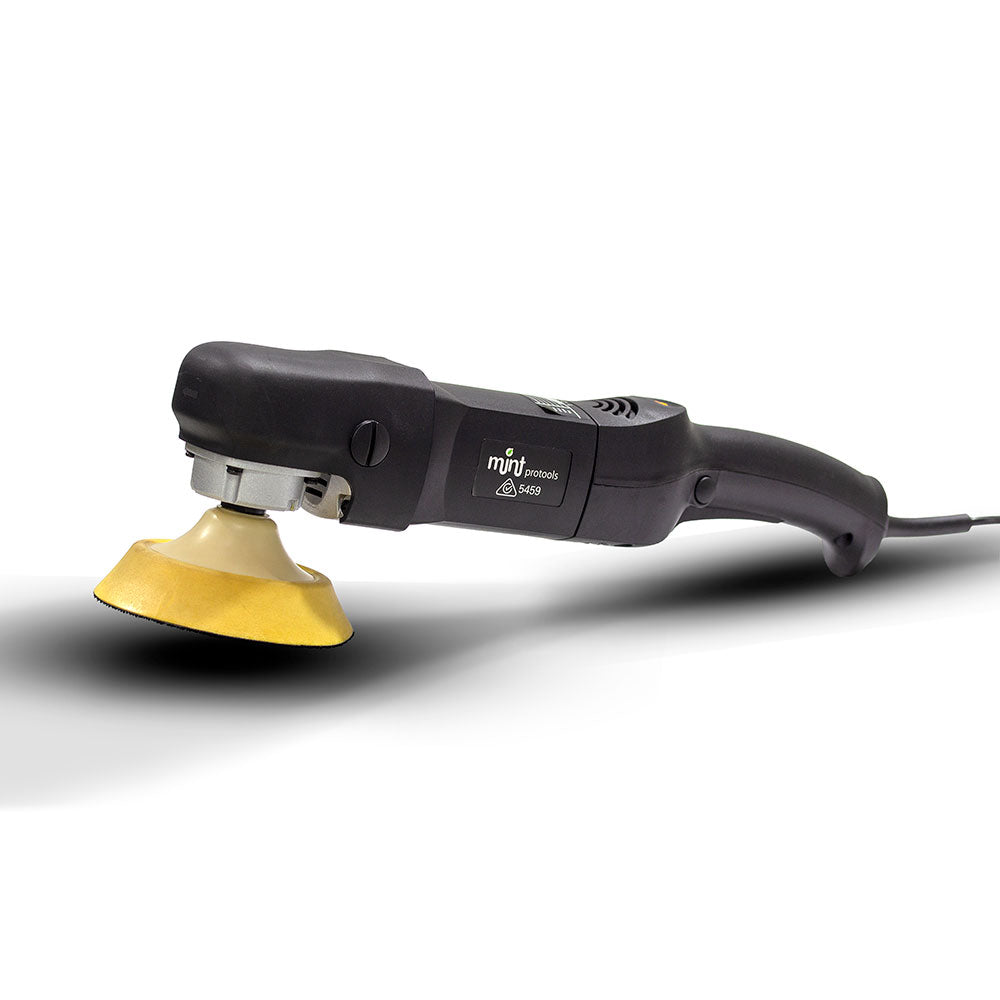
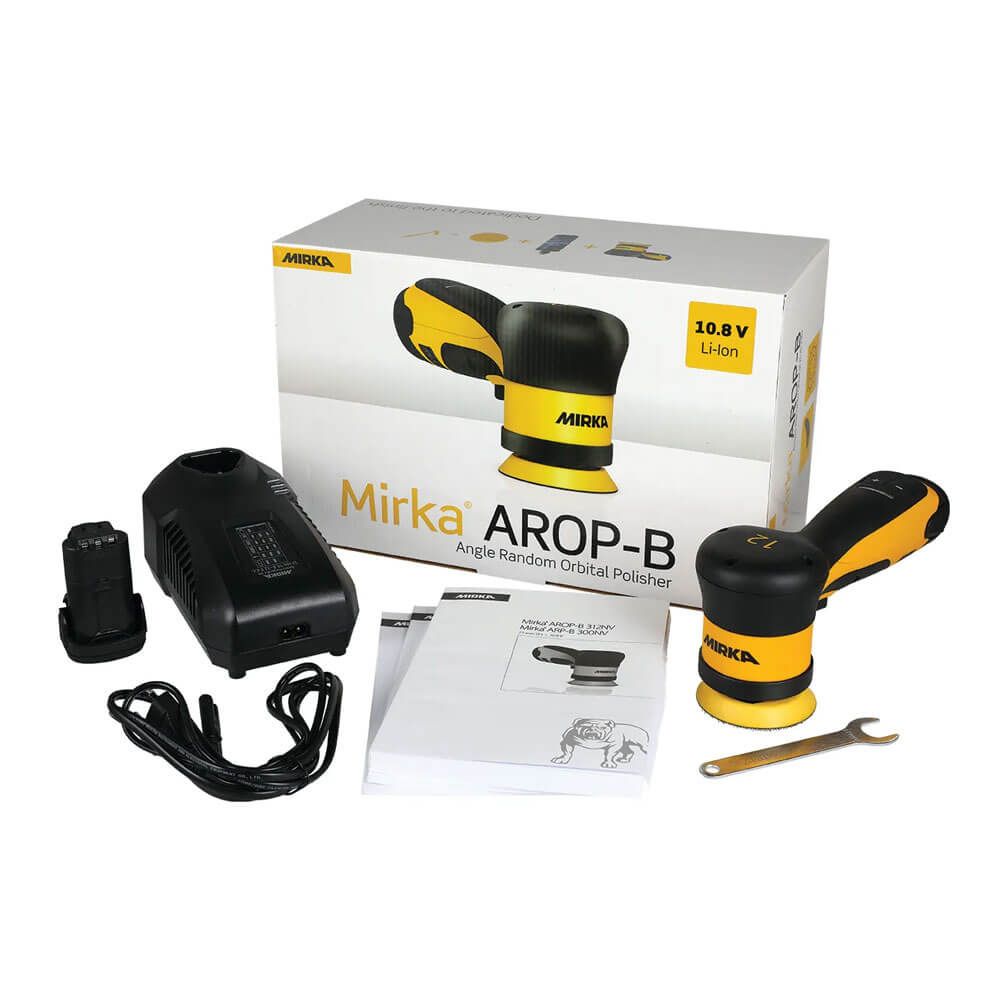
Looking for the best car polisher? A machine polisher removes swirl marks, light scratches and oxidation far faster and more evenly than polishing by hand, and it's the key tool for real paint correction. Shop dual action (DA) polishers for safe, beginner-friendly correction, rotary polishers for maximum cut, and mini polishers for tight areas.
Why Use a Machine Polisher?
Hand polishing can refresh gloss, but it can't generate the consistent speed and pressure needed to level swirl marks and scratches. A car polisher does the work evenly across every panel, cuts correction time dramatically, and gets professional results from home. It's also the fastest way to apply glazes, waxes and all-in-one polishes.
Types of Car Polisher
| Polisher type | How it moves | Best for | Skill level |
|---|---|---|---|
| Dual action (random orbital) | Spins and oscillates in an orbit; the pad slows if pressed too hard | Safe swirl removal and finishing | Beginner to professional |
| Forced rotation DA | Gear-driven orbit and rotation that doesn't stall | Faster cut with DA-style safety | Intermediate |
| Rotary polisher | Spins on a single axis | Heavy correction, sanding mark removal, fastest cut | Experienced |
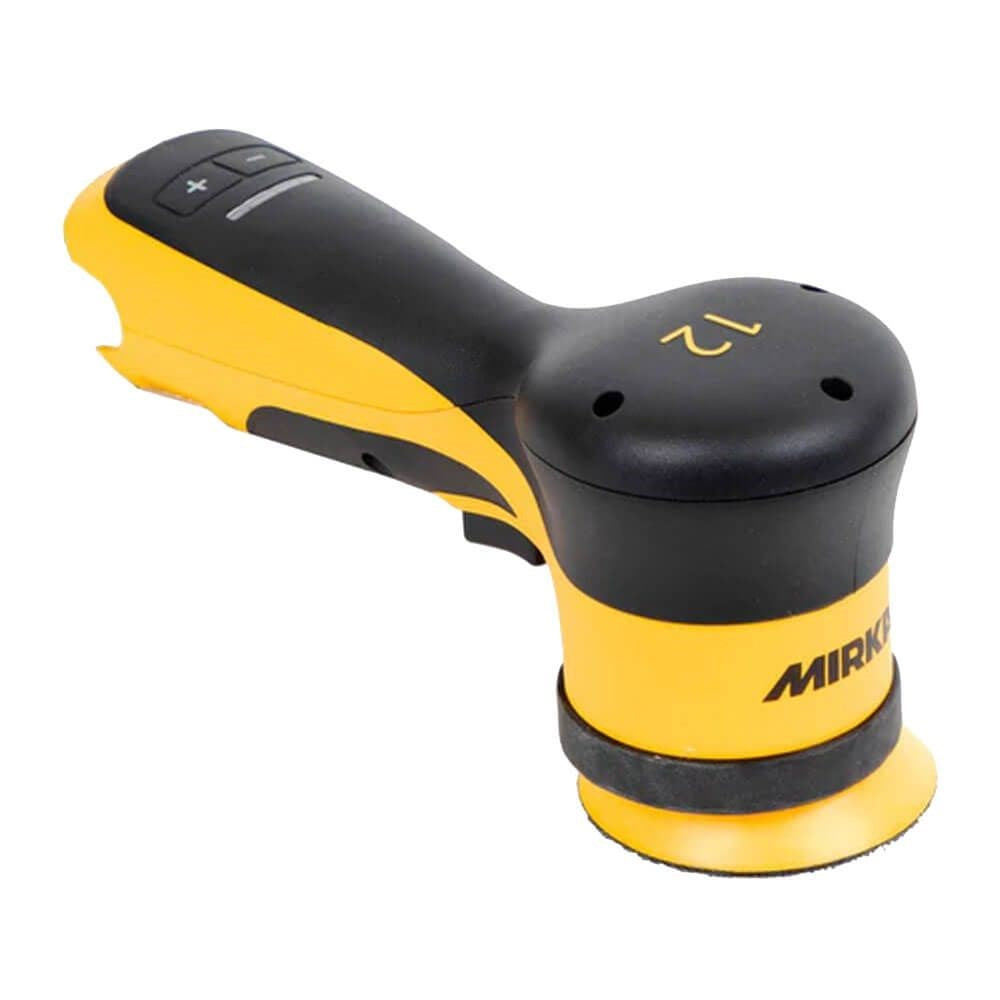
| Mini / nano polisher | Small DA or rotary with small pads | Bumpers, pillars, mirrors, tight areas | All levels |
What Makes the Best Car Polisher?
- The right action for your skill: a dual action polisher is the safest place to start.
- Orbit (throw) to suit your work: larger throws cover big flat panels faster; smaller throws suit curves and tight areas.
- Smooth, consistent power that keeps the pad rotating under light pressure.
- Comfortable ergonomics: low vibration, good balance and a comfortable grip for long sessions.
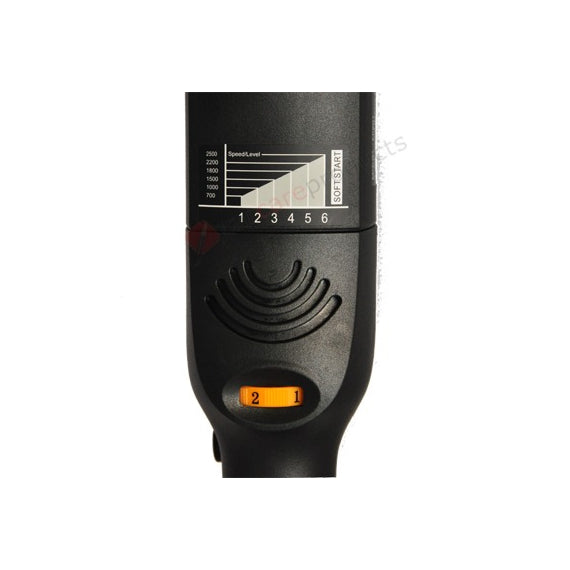
- Variable speed control for spreading, cutting and finishing.
- Corded or cordless: cordless adds freedom around the car; corded offers unlimited run time.
- Parts and service support so your machine lasts for years.
What Is Polisher Throw?
Throw, or orbit, is the size of the circle a dual action polisher's pad moves in, measured in millimetres. Common sizes range from around 8 mm to 21 mm. A long-throw polisher covers large flat panels quickly and feels smooth, while a short-throw polisher is easier to control on curves, edges and small panels. Many detailers own one of each, or a machine with interchangeable throws.
DA vs Rotary Polisher: Which Should You Buy?
For most enthusiasts, a dual action polisher is the best car polisher to buy first. Its random orbit spreads heat and makes it very difficult to burn through paint or leave holograms. A rotary polisher cuts faster and is favoured by professionals for heavy correction and wet-sanding marks, but it generates more heat and needs practice to finish without holograms.
What You'll Need With Your Polisher
A polisher needs a backing plate that matches its thread and throw, polishing pads sized to that plate, and polishes and compounds. Masking tape, good detailing lighting and a panel wipe complete the setup. Prefer it all matched for you? See our car polisher kits.
Using a Car Polisher Safely
- Wash and decontaminate first with iron remover and clay, so you're not grinding grit into the paint.
- Mask trim and edges with detailing tape.
- Start with a test spot using your least aggressive pad and polish combination.
- Keep the pad flat and use light to moderate pressure.
- Work small sections, roughly 50 x 50 cm, in slow overlapping passes.
- Stay off sharp edges and body lines, where paint is thinnest.
- Wipe and inspect under good light before moving on.
Want hands-on help? Our training and events teach machine polishing techniques in person.
Why Buy a Car Polisher From Car Care Products Australia?
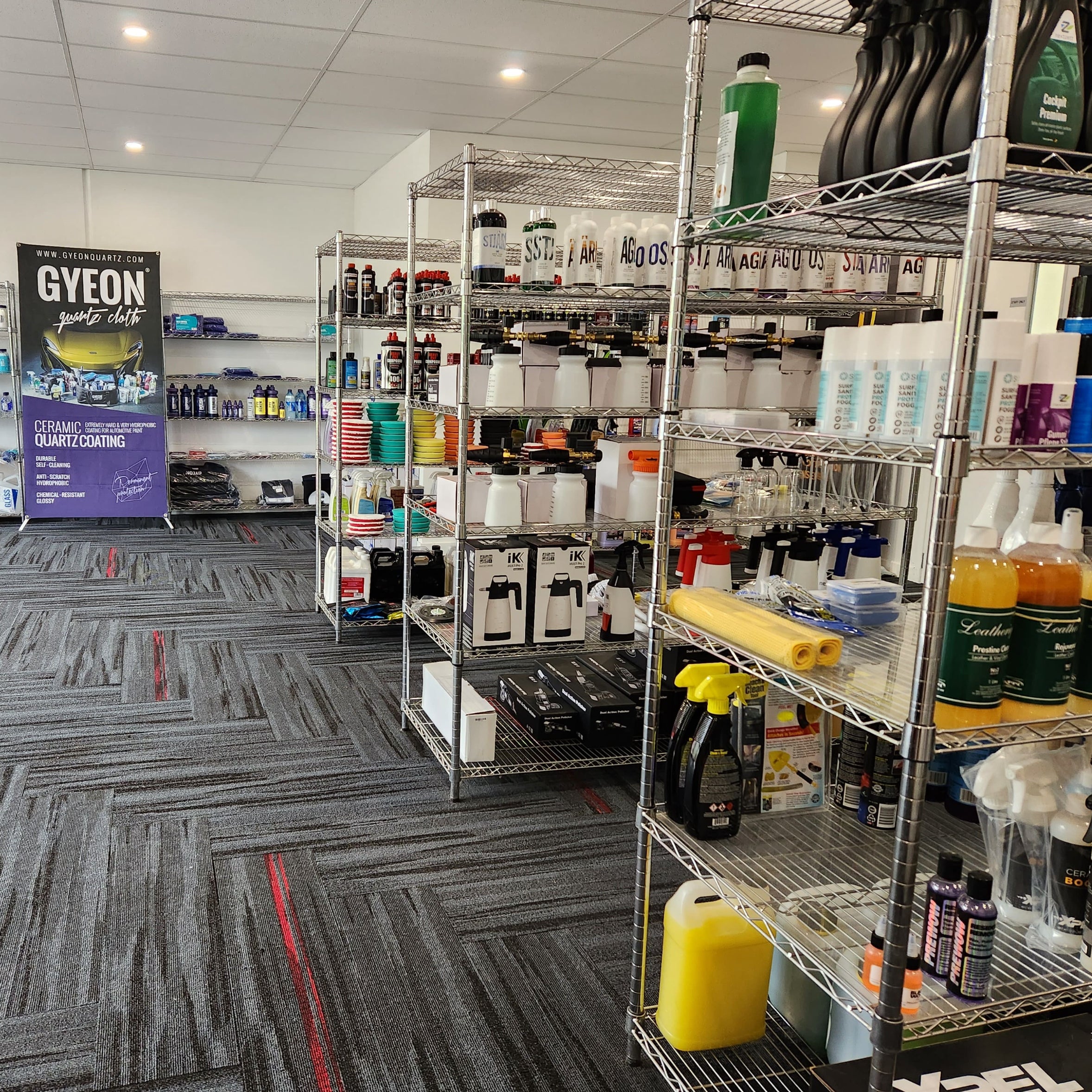
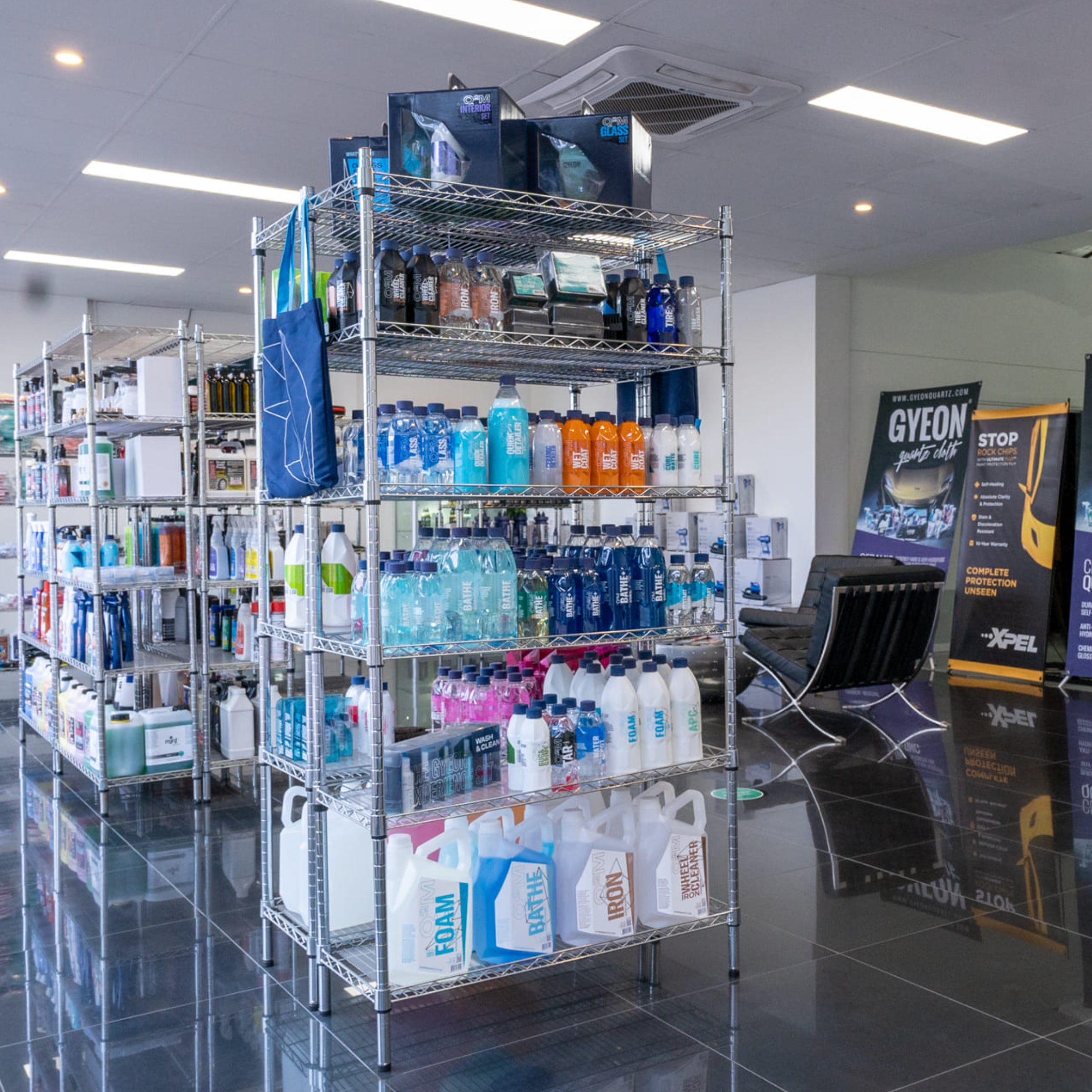
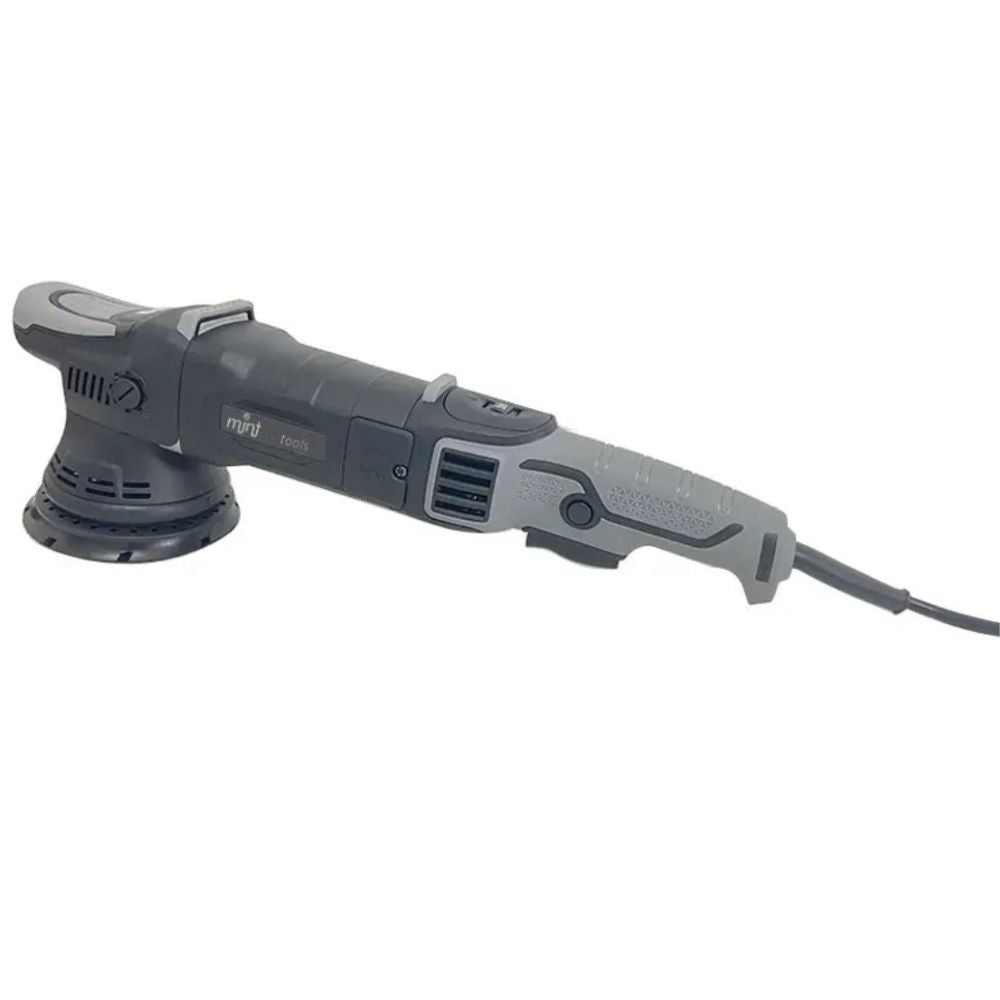
Car Care Products Australia has supplied detailing products to enthusiasts and professional detailers since 2007. We're the official Australian distributor for GYEON and stock car polishers and buffers from leading brands, including Mint ProTools. Not sure which is right for you? Visit our showrooms in Leichhardt, Sydney or Murarrie, Brisbane, call 1300 006 007, or contact our team. Free shipping on orders over $150 (conditions apply).
Car Polisher FAQs
What is the best car polisher for beginners?
A dual action (random orbital) polisher is the best car polisher for beginners. Its random orbit spreads heat and slows the pad if too much pressure is used, which makes it very difficult to damage paint, while still removing swirls and light scratches effectively.
What is a dual action polisher?
A dual action (DA) polisher spins the pad while also moving it in an oscillating orbit. This random motion spreads heat and pressure, making it safer than a rotary polisher and ideal for enthusiasts removing swirl marks at home.
Should I buy a DA or rotary polisher?
Buy a DA polisher first. It's safer, easier to learn and capable of excellent correction. A rotary polisher cuts faster and suits experienced detailers doing heavy correction or removing sanding marks, but it needs practice to avoid holograms and heat damage.
What throw polisher should I buy?
A mid-sized throw, around 12 to 15 mm, is a versatile all-rounder. Long-throw machines, around 21 mm, cover large flat panels faster; short-throw machines, around 8 to 9 mm, are easier on curves, edges and small areas.
Can a car polisher damage paint?
Yes, if used incorrectly. Too much pressure, heat or time on one spot, polishing over sharp edges, or using an overly aggressive pad and compound can remove too much clear coat. Start with a test spot, use the least aggressive combination that works, and stay off edges.
Is a cordless polisher as good as a corded one?
Modern cordless polishers perform very well and give more freedom to move around the car without a cable touching the paint. Corded polishers offer unlimited run time. Many detailers choose based on how long their typical sessions are.
Can I use a polisher to apply wax?
Yes. A dual action polisher on low speed with a soft finishing pad is a quick, even way to apply wax, sealant, glaze or an all-in-one polish.
What else do I need with a car polisher?
You need a backing plate that matches your polisher, polishing pads sized to the plate, and polishes or compounds. Masking tape, good lighting, microfibre cloths and a panel wipe complete the setup.