
Ceramic Coating
Looking for the best ceramic coating? A ceramic coating forms a hard, glossy, semi-permanent layer over your paint that lasts far longer than wax or sealant. It resists UV, bird droppings, bug residue and road grime, and makes washing dramatically easier. Shop DIY ceramic coatings for paint, plus wheel, glass and trim coatings and coating maintenance products.


What Is a Ceramic Coating?
A ceramic coating is a liquid, typically silica (SiO2) based, that's applied to clean, bare paint and cures into a thin, hard, transparent layer bonded to the clear coat. Once cured, it adds gloss and depth, repels water and dirt, resists chemical etching and UV, and keeps the car cleaner between washes. Depending on the product and how it's maintained, a coating can last from months to several years.
Is Ceramic Coating Worth It?
- Long-lasting protection: far longer than wax or sealant, with less frequent reapplication.
- Easier washing: dirt releases easily and water sheets off.
- Chemical resistance: better protection against bird droppings, bug residue and fallout.
- Gloss and depth that lasts.
- UV resistance to help slow fading under the Australian sun.
What a ceramic coating doesn't do: it won't stop rock chips or deep scratches, and water spots can still form if water dries on the surface. For impact protection, consider paint protection film. Read our guide to ceramic coating vs PPF.
Types of Ceramic Coating
| Coating type | What it's for | Best for |
|---|---|---|
| Paint ceramic coating | Long-term protection and gloss for painted panels | Enthusiasts wanting durable protection |
| Spray or quick coatings | Fast, easy application with shorter durability | Beginners and quick top-ups |
| Wheel coating | Heat-resistant protection that repels brake dust | Easier wheel cleaning |
| Glass coating | Rain repellency and easier cleaning | Windscreens and windows |
| Trim coating | Restores and protects exterior plastics | Faded or new textured trim |
| Coating toppers and maintenance | Refresh gloss and water behaviour | Maintaining an existing coating |
How to Apply a Ceramic Coating
Preparation is everything: a coating locks in whatever condition your paint is in.
- Wash thoroughly, ideally with a strip or decontamination shampoo.
- Decontaminate with iron remover and clay.
- Polish to remove swirls and defects with polish and compound.
- Panel wipe with a surface cleanser to remove all polishing oils.
- Apply in a controlled environment: out of the sun, dust and rain, one small section at a time, following the product's instructions exactly.
- Level and buff at the right time, using good lighting to spot high spots.
- Let it cure for the recommended time before exposing it to water or washing.
How to Maintain a Ceramic Coating
Wash every one to two weeks with a pH-neutral car wash shampoo and the two-bucket method. Dry with a car dryer or plush towel, and use a coating-safe quick detailer or SiO2 topper to refresh gloss and water behaviour. Periodically use a coating decontamination wash to remove mineral build-up.
DIY or Professional Ceramic Coating?
Many coatings are designed for enthusiasts to apply at home with great results, provided the prep is done properly. Some professional-grade coatings are only available to certified installers. If you'd rather have it done for you, a professional detailer can prep and coat the car for you.
Why Buy Ceramic Coating From Car Care Products Australia?
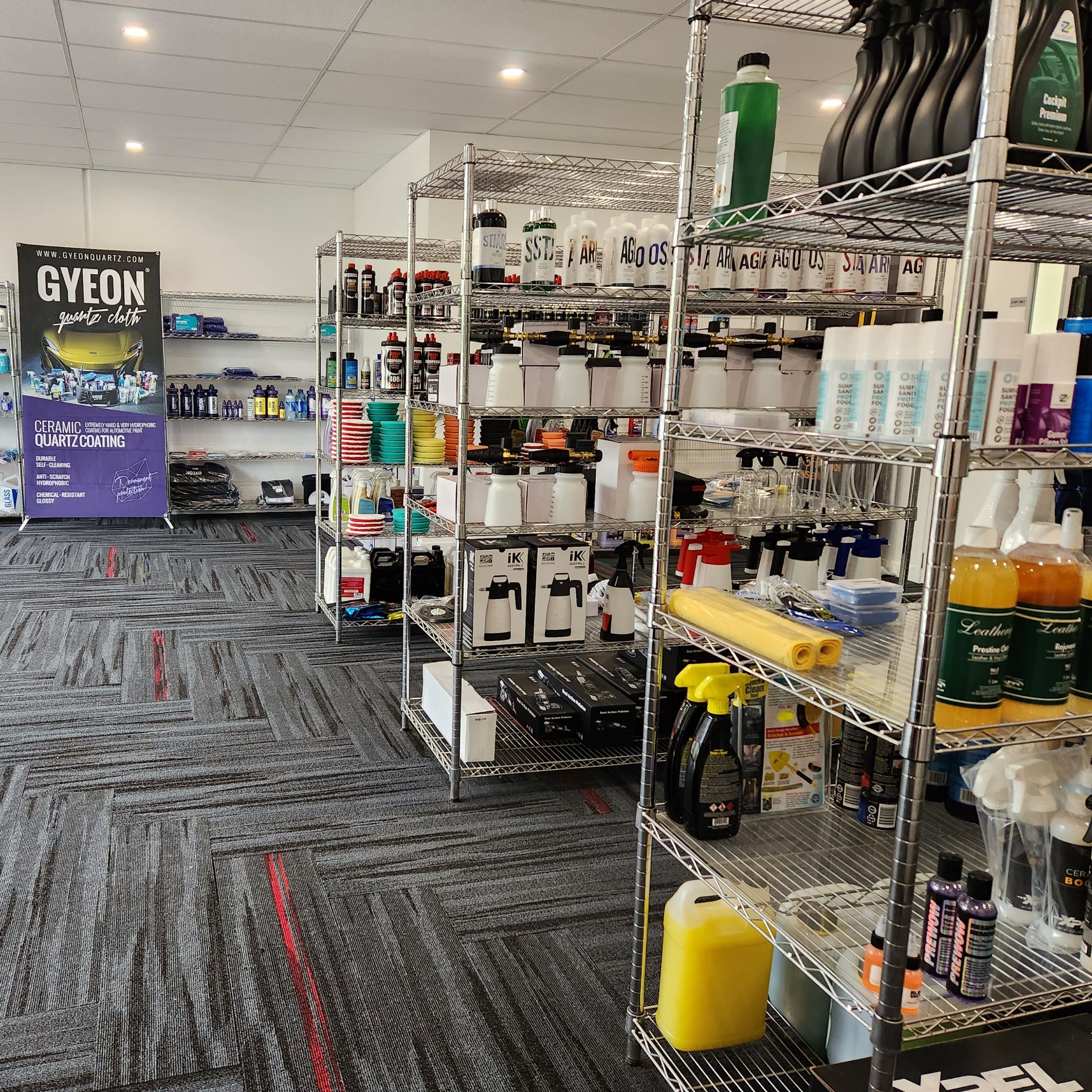
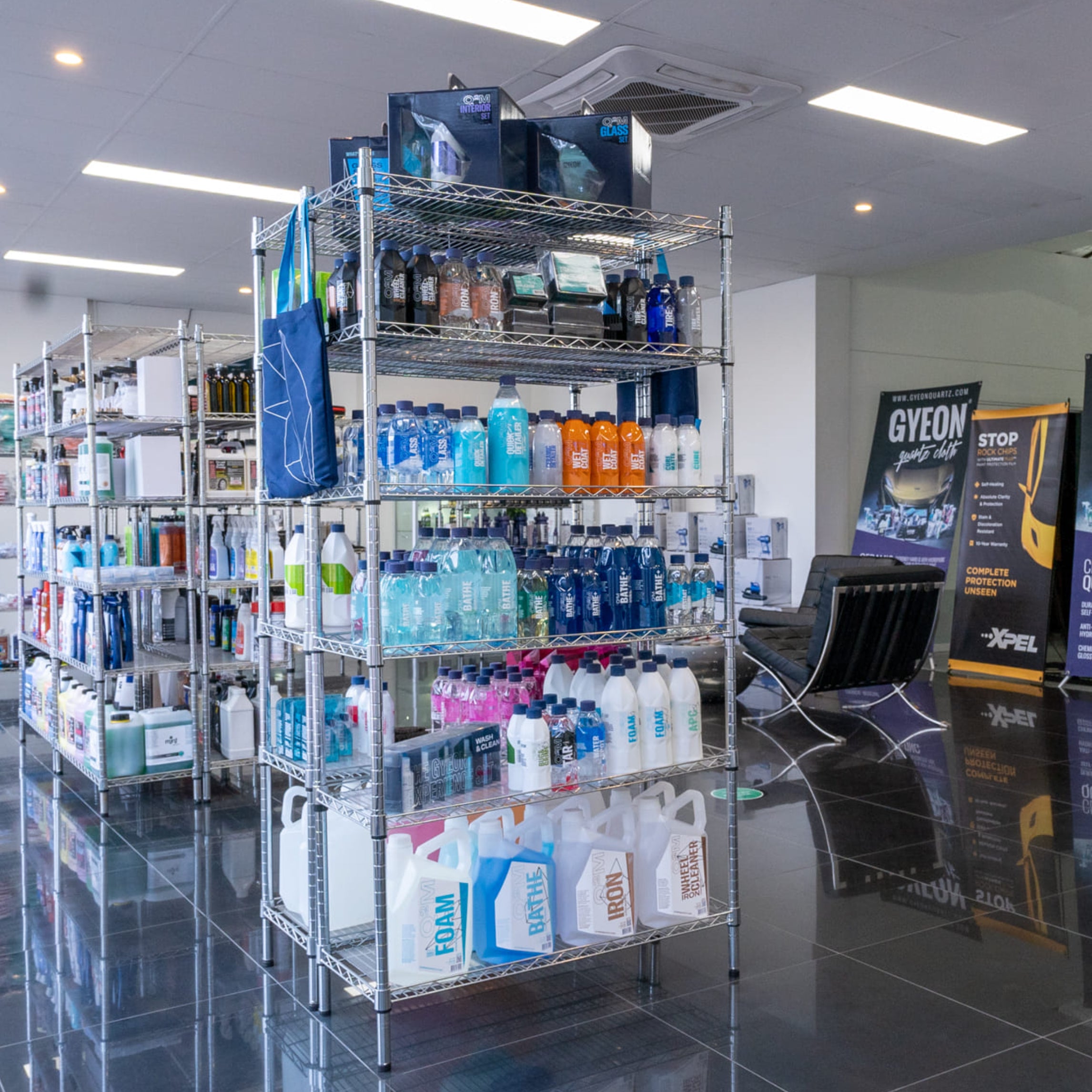
Car Care Products Australia has supplied detailing products to enthusiasts, professional detailers and the paint protection industry since 2007. We're the official Australian distributor for GYEON quartz coatings, and we also stock ceramic coatings from Gtechniq and Koch-Chemie. Not sure which coating suits you? Visit our showrooms in Leichhardt, Sydney or Murarrie, Brisbane, call 1300 006 007, or contact our team. Free shipping on orders over $150 (conditions apply).
Ceramic Coating FAQs
What is the best ceramic coating?
The best ceramic coating is one that suits your experience level and how long you want protection to last. Beginners often start with an easier-to-apply coating or spray coating, while experienced enthusiasts may choose a longer-lasting paint coating. Prep and maintenance matter as much as the product.
How long does a ceramic coating last?
Depending on the product, preparation and maintenance, a ceramic coating can last from several months to several years. Regular pH-neutral washing and occasional coating toppers help it last as long as possible.
Is ceramic coating worth it?
For most owners who want long-lasting gloss and easier washing, yes. A ceramic coating lasts far longer than wax or sealant and resists chemical etching and UV. It won't stop rock chips or deep scratches; paint protection film does that.
Can I apply a ceramic coating myself?
Yes. Many ceramic coatings are designed for DIY application. Success depends on preparation: wash, decontaminate, polish and panel wipe, then apply in a clean, shaded, dry space and follow the instructions carefully.
Does ceramic coating prevent scratches and rock chips?
No. A ceramic coating adds some resistance to light marring and makes the paint easier to clean, but it won't stop rock chips or deep scratches. Paint protection film is designed for impact protection.
Do I need to polish before ceramic coating?
Yes, in most cases. A coating locks in the paint's condition, so any swirls and scratches will stay visible under it. Polishing first gives the best gloss and clarity.
How do I maintain a ceramic coating?
Wash every one to two weeks with a pH-neutral shampoo using the two-bucket method, dry gently, and use a coating-safe quick detailer or SiO2 topper to refresh gloss and water beading. Use a coating decontamination wash every few months.
Can water spots form on a ceramic coating?
Yes. If water dries on a coated surface, especially hard water in the sun, minerals can leave spots. Dry the car after washing and after sprinklers, and remove spots promptly.
Is ceramic coating better than wax?
For durability and chemical resistance, yes. A ceramic coating lasts far longer than wax and resists etching better. Wax is easier to apply and gives a warm glow, but needs reapplying much more often.