
Two products dominate the conversation when Australians start thinking seriously about protecting their car's paint. Ceramic coating promises long-lasting hydrophobicity, deep gloss, and resistance to environmental damage. Paint protection film — PPF — promises to physically stop rock chips, scratches, and abrasion before they reach your paint.
Both claims are true. Both have limits. And choosing the wrong one for your situation is a genuinely costly mistake.
This is the guide we wish every customer had read before calling us. We'll break down how each works, what it protects against, what it doesn't, what it costs, and — most importantly — how to decide which one is right for your specific car and driving situation.

The Core Difference: Chemistry vs Physics
Understanding ceramic coatings and PPF starts with understanding that they are fundamentally different types of products solving different problems.
Ceramic coating is a liquid polymer that bonds chemically to your car's clear coat at a molecular level. Once cured, it forms a hard, semi-permanent shell that resists UV radiation, chemical fallout, water spotting, bird droppings, and everyday grime. It makes your car easier to clean and substantially enhances gloss. What it cannot do is absorb the physical force of a stone impact.
Paint protection film is a physical barrier — a clear, flexible urethane film that sits over the paint surface. It is typically 150–200 microns thick and acts as a sacrificial layer, absorbing rock chips, scratches, and abrasion instead of your paint. High-quality films like XPEL Ultimate Plus even have self-healing properties: minor surface scratches disappear with the application of heat. What PPF doesn't inherently do is provide the same level of chemical resistance or glossy enhancement that a ceramic coating delivers.
They solve different problems. That's the essential thing to understand before anything else.
What Ceramic Coating Protects Against
A properly applied ceramic coating creates a chemically bonded surface layer that delivers meaningful, long-lasting protection from:
UV oxidation
Australia's sun is among the harshest in the world. UV radiation breaks down your car's clear coat and causes paint to fade, dull, and oxidise over time. A quality ceramic coating like GYEON Q² MOHS EVO Light or Gtechniq Crystal Serum Light provides sustained UV resistance that wax and sealant cannot match for longevity.
Chemical etching
Bird droppings, industrial fallout, tree sap, and acid rain can etch permanently into unprotected clear coat within hours in hot Australian weather. A ceramic coating significantly reduces the rate at which these contaminants bond to or damage the surface, giving you a wider window to clean them off safely.
Water spotting
Hard water mineral deposits are a particular problem across many parts of Australia — notably Sydney, Adelaide, and Perth, where water hardness is higher. The hydrophobic surface of a ceramic coating causes water to bead and sheet away rather than sitting on the panel and leaving residue as it evaporates.
General dirt and grime
The slick, high-surface-energy finish of a ceramic coating means fewer contaminants stick to the paint in the first place, and those that do are significantly easier to remove at wash time.
What ceramic coating does not reliably protect against:
Rock chips, deep scratches, physical abrasion, heavy impacts from road debris. These require PPF.

What PPF Protects Against
Paint protection film is a physical shield, and its strengths reflect that.
Rock chips and stone impacts. This is where PPF has no equal. On Australian highways — particularly in regional areas where road surfaces are rougher and trucks generate significant debris — stone impacts are a genuine and common threat to paint. PPF absorbs these impacts before they reach your clear coat. XPEL Ultimate Plus, which we distribute in Australia, is rated to handle impacts that would leave visible chips on unprotected or even ceramic-coated paint.
Scratch resistance. PPF resists surface scratches from car wash brushes, keys, shopping trolleys, and minor abrasion. XPEL's self-healing formulation allows light scratches to disappear with heat application — either from the sun or a heat gun.
Door edge and handle wear. These are high-wear zones that no shampoo or coating can address. Film on door cup areas and pillar edges provides genuine long-term protection where physical wear is inevitable.
Debris from following vehicles. Driving behind trucks or on construction zone roads exposes your bonnet and front bumper to constant low-level impact. A full front end PPF installation is the most effective way to address this.
What PPF does not reliably deliver compared to ceramic coating:
The same level of UV resistance, hydrophobic enhancement, gloss depth, or chemical contamination protection.
Cost Comparison
It is worth being direct about the investment required for each option.
Ceramic coating is available in DIY-applicable products starting from around $75–$180 for consumer-grade products. Professional application costs more — typically $800–$3,000+ depending on the product tier and the prepwork required — but delivers a result that is difficult to match at home without experience.
Our DIY ceramic range at CCP covers every skill level:
- Entry level: GYEON Q² CanCoat EVO ($99.99) — spray-on application, up to 12 months protection, suitable for first-timers
- Enthusiast level: GYEON Q² MOHS EVO Light ($129.99) — up to 48 months protection in two coats, rated as one of the best DIY ceramics available globally
- Dual-layer system: GYEON Q² Syncro EVO Light ($179.99) — professional-grade two-stage system for maximum durability and gloss
- Professional: Gtechniq Crystal Serum Light ($from $299) — used by professional detailers worldwide, proven long-term performer
PPF is materially more expensive and is almost always professionally installed. Partial coverage (bonnet, front bumper, mirrors, door edges) in XPEL Ultimate Plus typically runs from $1,200–$2,500. Full vehicle coverage can reach $6,000–$15,000+ depending on vehicle size and panel complexity. This reflects the material cost, the skilled labour involved in precise film cutting and application, and the specialist equipment required.

Durability and Longevity
Ceramic coating durability ranges from six months (spray-on consumer coatings) to five or more years (professional multi-layer applications). Consumer-applied products like GYEON MOHS EVO Light are rated at up to four years when applied correctly in two coats, which is exceptional for a DIY product.
Longevity depends significantly on maintenance. A ceramic-coated car washed regularly with pH-neutral shampoo and periodically refreshed with a maintenance product like GYEON Q²M Restart Wash will outperform a neglected coating considerably.
PPF durability from XPEL typically carries a 10-year manufacturer's warranty against yellowing, cracking, and delamination. In practice, well-installed film on a maintained vehicle can last the life of the car. The self-healing layer of XPEL Ultimate Plus maintains its surface quality significantly longer than non-self-healing films.
The Best of Both: Using Ceramic Coating on Top of PPF
Many serious Australian car enthusiasts use both. This is not a luxury — it is a logical and cost-effective pairing.
PPF goes underneath, providing physical protection from impacts and scratches. Ceramic coating goes on top, enhancing gloss, maximising hydrophobicity, and making the film surface far easier to clean and maintain.
GYEON Q² PPF EVO ($159.99) is specifically formulated for application over PPF and vinyl. It enhances the optical clarity of the film, provides the same level of hydrophobic performance as paint-applied coatings, and protects the film's self-healing layer from contamination.
If you're investing in XPEL PPF on the front end of your car, adding GYEON PPF EVO over the film is a relatively modest additional investment that significantly increases the film's performance and keeps it looking optically perfect for longer.
→ Shop GYEON Q² PPF EVO at CCP
How to Decide: A Practical Framework
Most buying decisions for Australian drivers come down to three questions.
1. What is your primary concern? If you're mostly worried about your paint fading in the sun, water spotting after rain, or bird droppings etching the clear coat — ceramic coating addresses all of these directly. If you're worried about rock chips on the highway, scratches in car parks, or physical wear on door edges — PPF is what you need.
2. How and where do you drive? Highway drivers, regional commuters, and anyone who regularly follows heavy vehicles or drives on unsealed roads should seriously consider PPF for the front end at minimum. Urban drivers doing mostly city kilometres have considerably less rock chip exposure and may find that ceramic coating alone is sufficient.
3. What is your budget? If budget is a consideration, a well-applied consumer ceramic coating like GYEON MOHS EVO Light at under $150 delivers genuinely impressive protection. If you have the budget for PPF and are serious about long-term paint preservation, a partial PPF install on the front bumper, bonnet, and mirrors — the highest-impact zones — combined with ceramic coating across the rest of the car is the most efficient allocation of your investment.
Quick Comparison Table
|
Ceramic Coating |
PPF |
|
|
Rock chip protection |
Minimal |
Excellent |
|
UV resistance |
Excellent |
Good |
|
Scratch resistance |
Moderate |
Excellent (self-healing) |
|
Chemical resistance |
Excellent |
Good |
|
Hydrophobic performance |
Excellent |
Moderate (better with ceramic on top) |
|
DIY application |
Yes (products available) |
No — professional install |
|
Entry cost (AUD) |
From ~$100 DIY |
From ~$1,200 professional |
|
Durability |
6 months to 5+ years |
10+ years (XPEL warranty) |
|
Gloss enhancement |
Significant |
Minimal (clear) |
Our Honest Recommendation for Most Australian Drivers
For most Australian car owners, a quality ceramic coating applied correctly is an excellent first step that delivers genuine, long-lasting protection against the most common threats to paint condition — UV, environmental contamination, and water spotting.
For those who drive on highways regularly, live in areas with poor road quality, or own a vehicle they intend to keep or sell at maximum value, adding PPF to the high-impact zones is a smart investment that no ceramic coating can replicate.
And if you want the best of both worlds — physical protection from impacts and maximum hydrophobic performance, gloss, and chemical resistance — XPEL PPF with GYEON Q² PPF EVO ceramic applied over it is the combination that professional detailers recommend most often.
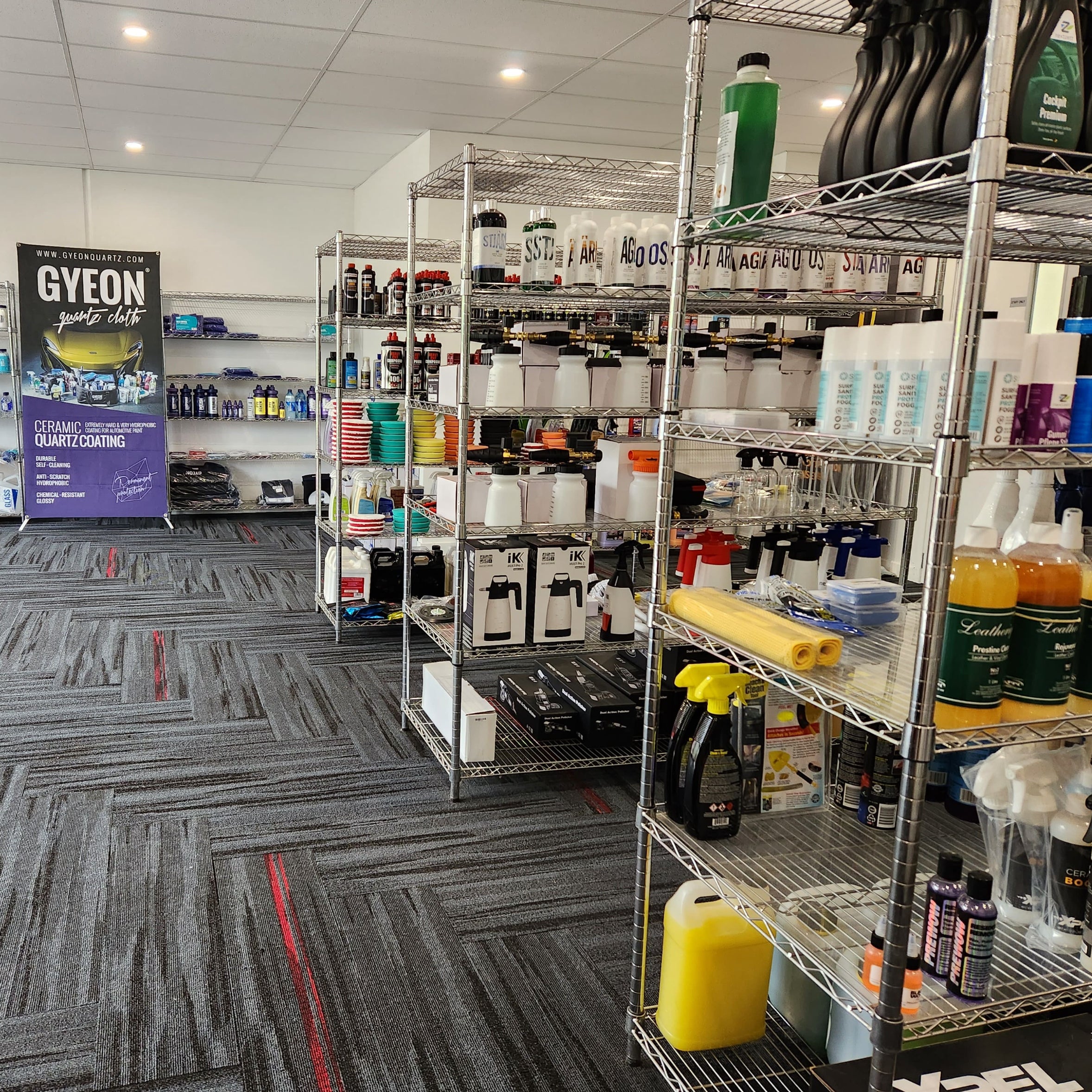
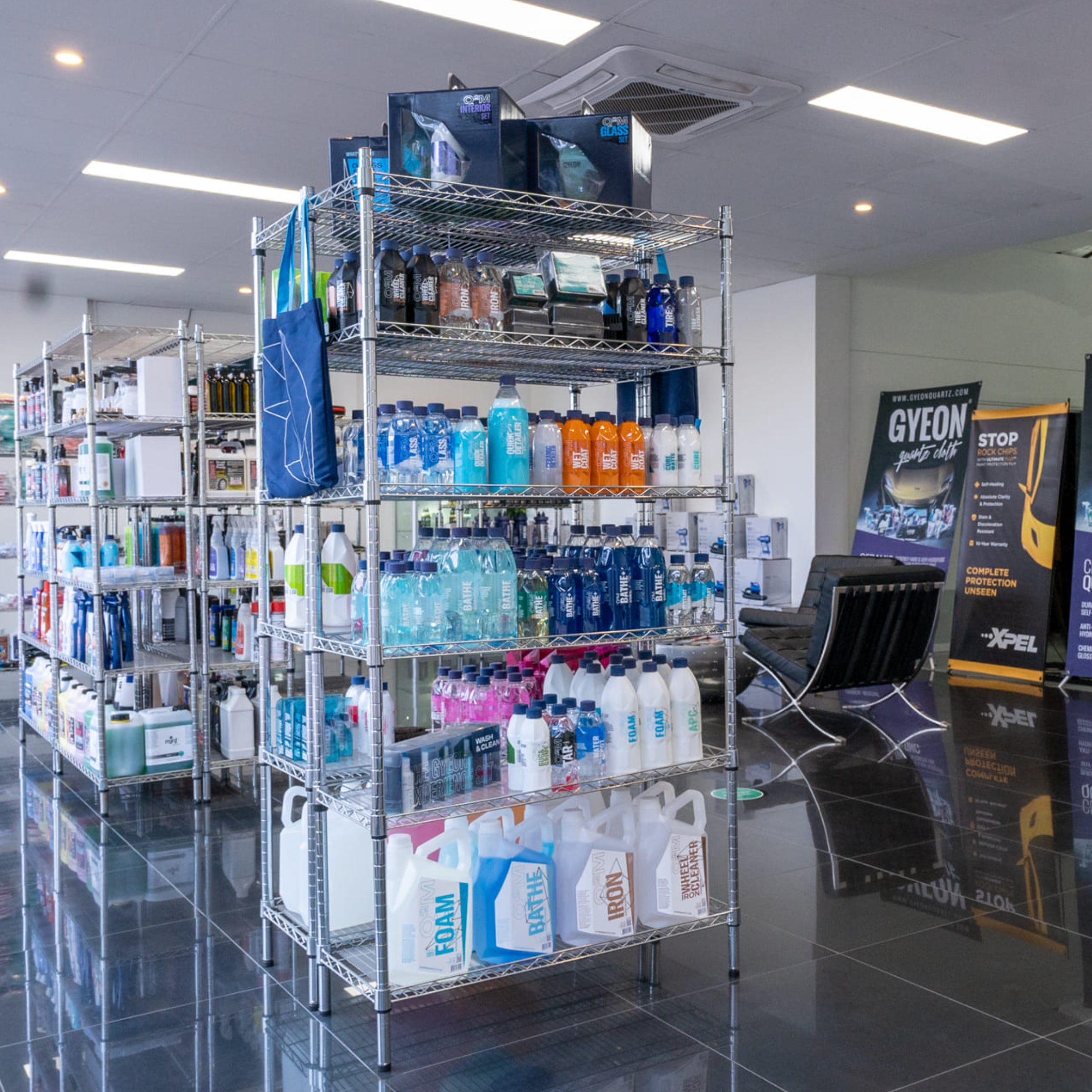
Speak to one of our product specialists in our Sydney or Brisbane showrooms if you'd like a recommendation tailored to your vehicle and situation. We have nearly two decades of experience helping Australians protect their cars properly.
→ Contact CCP — 1300 006 007
→ Find your nearest showroom
→ Shop ceramic coatings
Frequently Asked Questions
Can I apply ceramic coating over PPF? Yes — and it is recommended. GYEON Q² PPF EVO is specifically formulated for application over PPF and vinyl, enhancing gloss and hydrophobicity while protecting the film surface from contamination and oxidation.
Does PPF look invisible on the car? High-quality PPF like XPEL Ultimate Plus is optically clear and virtually undetectable to the naked eye when professionally installed. Poor-quality or improperly installed film can have visible edges and orange-peel texture — quality of product and installation matters considerably.
How long does ceramic coating application take? Professional application, including the required surface preparation (wash, decontamination, polishing), typically takes one to three days depending on the vehicle and the coating tier. DIY application is faster in terms of actual coating time, but preparation is just as important and cannot be rushed.
Will ceramic coating hide scratches? No. Ceramic coating is transparent and bonds to the surface as it is. If scratches or swirl marks are present before application, they will remain visible — the coating will simply preserve them in place. Paint correction must be done before any ceramic coating is applied.
Does XPEL PPF really self-heal? Yes, XPEL Ultimate Plus contains a self-healing topcoat. Minor surface scratches (from fingernails, light car wash contact) disappear with the application of heat — either from direct sunlight over a few hours, or from a heat gun applied briefly. Deeper cuts and impacts will not self-heal.
Is ceramic coating permanent? Not technically. Ceramic coatings are semi-permanent. They bond strongly to the clear coat but can be removed with specific abrasive polishing. They degrade gradually over time depending on maintenance, UV exposure, and wash technique. Professional-grade coatings last five or more years; consumer products range from six months to four years.
What maintenance does a ceramic-coated car need? Regular washing with a pH-neutral shampoo, periodic decontamination, and application of a maintenance product every three to six months. GYEON Q²M Restart Wash used every two to three months significantly extends the effective life of the coating. Avoiding automatic brush car washes is essential — bristle contact degrades the coating over time.
Can I apply ceramic coating myself or do I need a professional? Several of our products are designed for confident DIY application, including GYEON Q² CanCoat EVO (spray-on, beginner-friendly) and GYEON Q² MOHS EVO Light (wipe-on, enthusiast level). The key is thorough preparation — the coating is the easy part. If you are uncertain about your ability to properly prepare the paint, professional application is always the lower-risk option.
Car Care Products Australia is the official Australian distributor for GYEON quartz and XPEL paint protection film. We have supplied Australian detailers, enthusiasts, and professional installers since 2007. Our showrooms are in Sydney and Brisbane.