
SOFT99
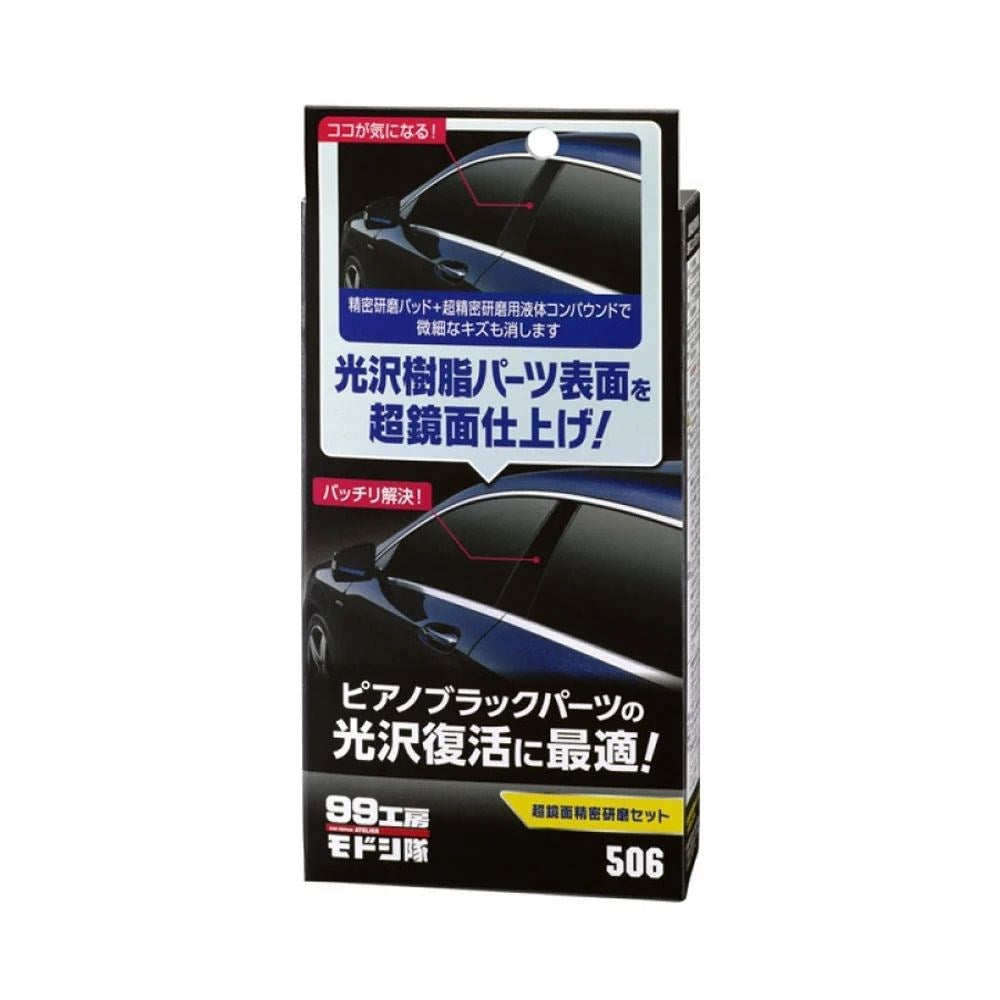
Soft99 Restoration Kit - Piano Black & Gloss Plastic
Free Shipping For Orders Above $150.00 – Conditions Apply
Same Day Dispatch On Orders Placed Before 10am
Available In:
Restore scratched, dull and tired-looking piano black and high-gloss plastic back to a near-new appearance – entirely by hand.
SOFT99 Restoration Kit for Piano Black & Gloss Plastic is a purpose-designed hand polishing kit for restoring the appearance of painted and unpainted piano black surfaces and other high-gloss plastics.
Piano black trim is notoriously susceptible to fine scratches, swirl marks, scuffs and general surface wear. Because of its deep, glossy appearance, even minor imperfections can become highly visible, making interior and exterior piano black components look considerably older than the rest of the vehicle.
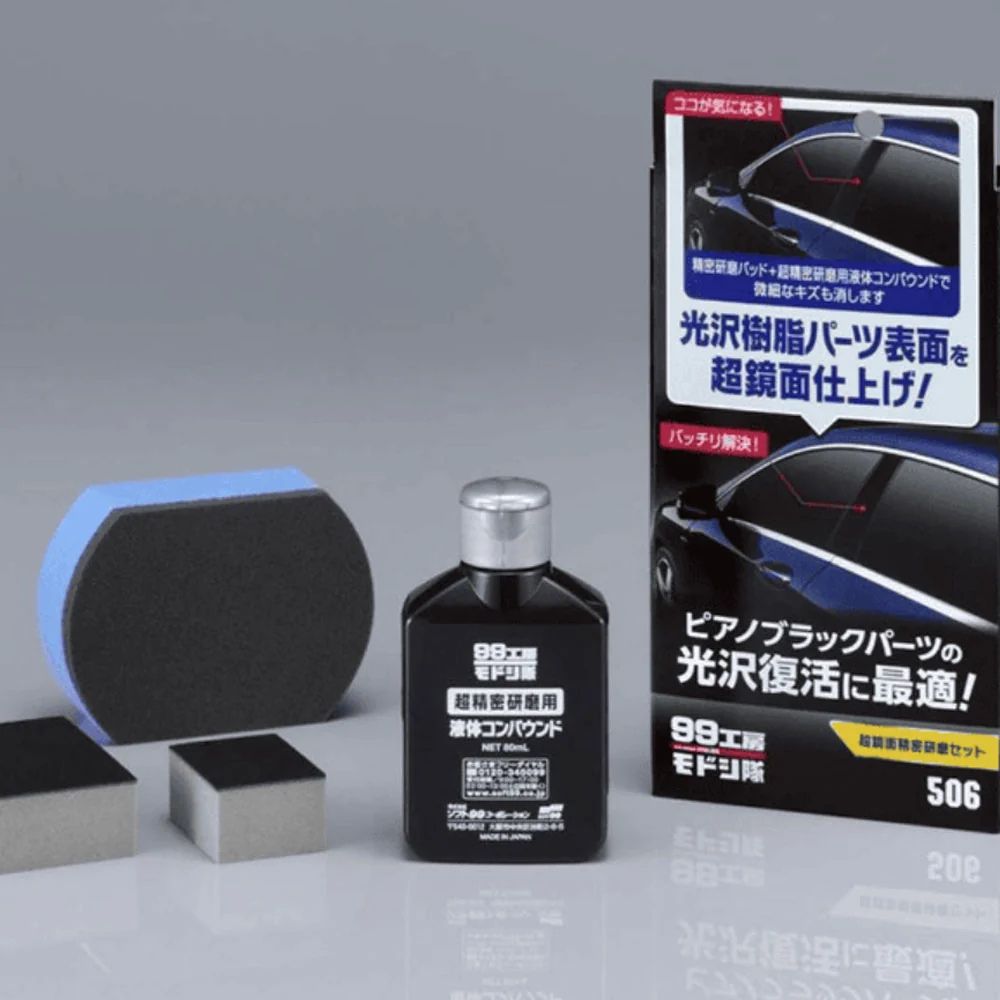
This complete SOFT99 kit provides the specialised abrasive, polishing pads and compound sponge required to refine these surfaces by hand, helping remove fine surface imperfections and restore a smooth, glossy appearance without the need for a machine polisher.
Key Features
- Designed specifically for piano black plastics – Developed for painted and unpainted piano black and other high-gloss plastic surfaces.
- Restores gloss and clarity – Refines the surface to help recover a smooth, near-new appearance.
- Helps reduce fine scratches – Ideal for the light scratching and surface marks commonly found on piano black trim.
- Hand application – No machine polisher required.
- Ultrafine polishing pads – Includes two pad sizes to make working on different areas easier.
- Specialised abrasive – Includes 80mL of abrasive compound specifically intended for the restoration process.
- Complete polishing system – Includes abrasive, ultrafine pads and compound sponge.
- Suitable for interior and exterior applications – Useful for piano black trim and other compatible high-gloss plastic components.
- Japanese SOFT99 technology – Developed by SOFT99 Corporation in Japan.
Why Piano Black Scratches So Easily
Piano black plastic is visually striking because of its deep, highly reflective finish, but this same characteristic makes imperfections particularly easy to see.
Fine scratches, washing marks, fingerprints, dust and general abrasion can quickly reduce the clarity of the glossy surface. Areas such as interior centre consoles, infotainment surrounds, gear-selector panels, door trims and exterior gloss-black components can therefore begin to look dull or heavily marked even when the rest of the vehicle remains in excellent condition.
The SOFT99 Restoration Kit is designed specifically to address this problem by providing a controlled hand-polishing system for refining high-gloss plastic surfaces.
Restore Painted & Unpainted Gloss Plastic
Unlike a conventional plastic dressing that simply changes the appearance of a surface, this kit is designed to physically refine the surface through polishing.
It can be used on suitable:
- Piano black interior trim
- Gloss-black centre consoles
- Gloss-black dashboard trim
- Gloss-black door trim
- Gloss-black gear-selector surrounds
- Gloss-black exterior trim
- Painted piano black surfaces
- Unpainted high-gloss plastic
- Other compatible high-gloss plastic components
Always test an inconspicuous area first, particularly when dealing with an unfamiliar plastic, coating or painted surface.
Complete Hand Restoration System
SOFT99 has designed the kit as a complete manual restoration system, providing the key components needed to polish high-gloss plastic without a machine.
| Component | Purpose |
|---|---|
| Abrasive – 80mL | Specialised polishing abrasive for refining the high-gloss plastic surface. |
| Ultrafine Pad – Large ×1 | Provides a larger polishing surface for broader areas. |
| Ultrafine Pad – Small ×1 | Useful for smaller, narrower or more intricate areas. |
| Compound Sponge ×1 | Used with a suitable scratch-removal compound to address deeper scratches before the ultrafine finishing stage. |
Designed for Hand Polishing
One of the major advantages of the SOFT99 Restoration Kit is that it is designed to be used by hand.
This makes it particularly useful for small and delicate areas where using a machine polisher may be inconvenient or unnecessarily aggressive. Piano black trim is often found around buttons, displays, consoles and other intricate components where controlled manual polishing can be preferable.
The supplied ultrafine pads allow you to work progressively across the surface while maintaining control over the amount of pressure and polishing action being applied.
For Deeper Scratches
The supplied ultrafine abrasive is intended for refining the surface and improving the appearance of fine scratches and imperfections. It should not be considered a heavy-cut compound.
If the piano black surface has deeper scratches, SOFT99 recommends removing these beforehand using an appropriate scratch-removal compound together with the supplied compound sponge.
Once the deeper defects have been reduced sufficiently, the SOFT99 ultrafine polishing system can then be used to refine the surface and restore gloss.
Important: Scratches that have penetrated deeply into the plastic or paint may not be completely removable through polishing. If a scratch has removed material or colour, polishing cannot replace the missing material.
30 × 30cm Working Sections
For the best control, avoid attempting to polish a large panel or entire trim assembly in one operation.
Instead, divide the surface into manageable sections of approximately 30 × 30cm. Work each section thoroughly before moving to the next.
This approach allows you to:
- Maintain consistent polishing pressure
- Monitor the improvement in the surface
- Avoid overworking an area
- Control the amount of abrasive being used
- Achieve a more uniform final appearance
Horizontal & Vertical Polishing Technique
SOFT99 recommends polishing using horizontal and vertical motions.
Rather than randomly moving the pad across the surface, work systematically in controlled passes. This makes it easier to maintain consistent coverage and ensures that the abrasive is distributed evenly across the area being treated.
Use controlled pressure rather than excessive force. The objective is to refine the surface progressively rather than aggressively grind away material.
Interior Piano Black Trim
The kit is particularly useful for restoring the appearance of interior piano black trim, which can accumulate fine scratches from normal use.
Common areas include:
- Centre consoles
- Gear-selector surrounds
- Infotainment surrounds
- Gloss-black dashboard inserts
- Door trim panels
- Switch surrounds
- Gloss-black interior accent panels
Because these components are generally relatively small, hand polishing provides excellent control and avoids the need to manoeuvre a machine polisher around buttons, switches and other delicate components.
Exterior Gloss-Black Plastic
Modern vehicles increasingly use gloss-black plastic on exterior trim, grilles, pillars, mirror surrounds, spoilers and other styling components.
These surfaces can become scratched through washing, drying, environmental exposure and general contact. The SOFT99 kit can be used on suitable exterior high-gloss plastics to refine their appearance and restore lost clarity.
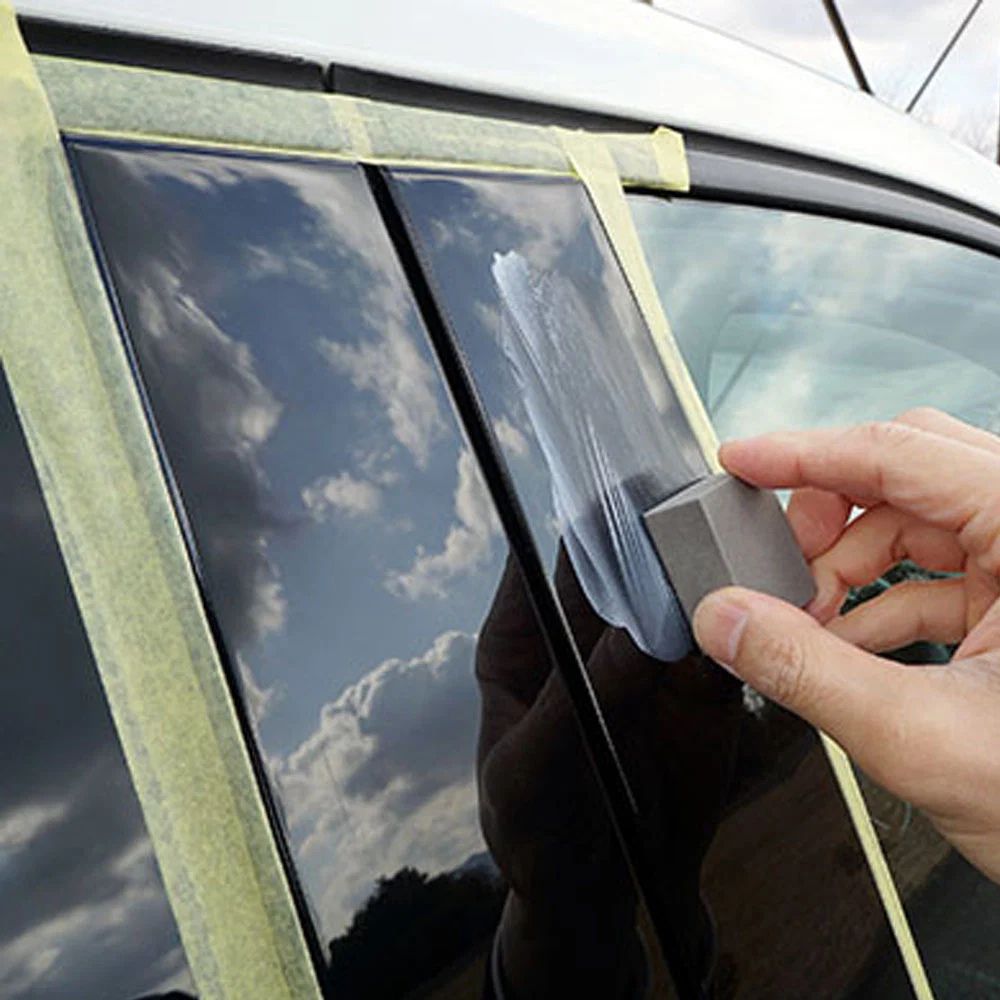
When working on exterior surfaces, thoroughly wash and dry the area first and carefully mask surrounding paintwork or trim.
Painted vs Unpainted Piano Black
The kit can be used to restore both painted and unpainted piano black and other compatible high-gloss plastics.
However, because manufacturers use a wide variety of plastic types, coatings and finishes, always inspect the surface carefully before beginning. If there is any uncertainty regarding the construction or coating of the component, perform a test in an inconspicuous location first.
Important Surface Preparation
Before polishing, the surface must be thoroughly clean and completely dry.
Any dirt or abrasive contamination trapped between the pad and the surface can introduce additional scratches. This is particularly important when working on delicate high-gloss black surfaces where even very fine marks can be visible.
For this reason:
- Wash the surface thoroughly.
- Remove all loose contamination.
- Dry the surface completely.
- Use clean polishing pads.
- Work in a controlled environment where possible.
- Mask adjacent surfaces before polishing.
What Results Can You Expect?
When used correctly, the SOFT99 Restoration Kit can significantly improve the appearance of scratched and tired-looking piano black and high-gloss plastic surfaces.
The polishing process is designed to refine the surface, helping restore:
- Gloss
- Clarity
- Smoothness
- Depth of colour
- Overall visual appearance
SOFT99 describes the kit as capable of refining painted and unpainted piano black and other high-gloss plastics to a near-new condition.
What This Kit Will Not Repair
It is important to understand the difference between surface scratches and physical damage.
Polishing can reduce or remove suitable surface-level imperfections, but it cannot repair:
- Deep scratches that have removed significant material
- Cracks in the plastic
- Broken components
- Severe gouges
- Missing paint or coating
- Deformation of the plastic
For severe damage, replacement, refinishing or professional restoration may be required.
Frequently Asked Questions
What is the SOFT99 Piano Black Restoration Kit designed for?
It is designed to restore the appearance of painted and unpainted piano black and other high-gloss plastic surfaces by hand, helping refine scratches and surface imperfections and restore a near-new appearance.
Can I use it on interior piano black trim?
Yes. Suitable interior piano black and high-gloss plastic components are an ideal application for the kit. Always test an inconspicuous area first.
Can I use it on exterior gloss-black plastic?
Yes. The kit is suitable for compatible exterior high-gloss plastic surfaces as well as painted and unpainted piano black.
Do I need a machine polisher?
No. The SOFT99 Restoration Kit is designed for manual hand polishing, making it particularly convenient for small or intricate piano black components.
Can it remove deep scratches?
The kit is primarily designed for refining the surface and improving the appearance of fine scratches and imperfections. SOFT99 recommends using a suitable scratch-removal compound with the supplied compound sponge for deeper scratches before using the ultrafine finishing system. Very deep scratches that have removed material may not be fully repairable through polishing.
How much of the surface should I polish at once?
SOFT99 recommends working on approximately 30 × 30cm sections at a time. This helps maintain consistent polishing and makes it easier to monitor your results.
Which pad should I use?
The kit includes both a large and small ultrafine pad. Select the size that is most appropriate and comfortable for the area being polished. The smaller pad is particularly useful around narrow or intricate components.
Do I need to mask the surrounding area?
Yes. SOFT99 recommends masking neighbouring areas before polishing. This helps prevent accidental contact between the abrasive and adjacent surfaces.
Does the surface need to be dry?
Yes. Thoroughly clean and completely dry the area before beginning the restoration process.
Why Choose SOFT99 Piano Black & Gloss Plastic Restoration Kit?
Bring scratched piano black trim back to life without a machine polisher.
SOFT99's dedicated restoration kit provides everything required for controlled hand polishing of painted and unpainted piano black and compatible high-gloss plastic surfaces.
With a specialised 80mL abrasive, two ultrafine polishing pads in different sizes and a compound sponge for deeper scratch preparation, the kit provides a straightforward solution for restoring the glossy appearance of one of the most scratch-prone surfaces found on modern vehicles.
- Thoroughly clean the surface: Remove dust, dirt, fingerprints, oils and other contamination from the area to be restored.
- Dry completely: Ensure the surface is completely clean and dry before beginning the polishing process.
- Mask surrounding areas: Carefully mask neighbouring surfaces to prevent accidental contact with the abrasive.
- Inspect the scratches: Determine whether the marks are suitable for the ultrafine polishing stage. Deeper scratches may require a separate scratch-removal compound first.
- Address deeper scratches if required: SOFT99 recommends using a suitable scratch-removal compound with the supplied compound sponge to remove deeper scratches before proceeding with the ultrafine finishing stage.
- Shake the abrasive: With the cap closed, shake the bottle thoroughly before use.
- Select the appropriate pad: Choose either the large or small ultrafine pad according to the size and shape of the area being treated.
- Apply the abrasive: Apply a moderate amount of the supplied abrasive to the black surface of the ultrafine pad.
- Polish systematically: Work the product into the surface using horizontal and vertical motions.
- Work small sections: SOFT99 recommends working on approximately 30 × 30cm sections at a time.
- Inspect your progress: Check the surface regularly to monitor the improvement in gloss and reduction of visible fine marks.
- Remove residue: Once polishing is complete, remove the masking and wipe away any remaining residue using a clean, soft towel.