
MIRKA
Mirka Glass Felt Pad
Product Options
color
Free Shipping For Orders Above $150.00 – Conditions Apply
Same Day Dispatch On Orders Placed Before 10am
Available In:
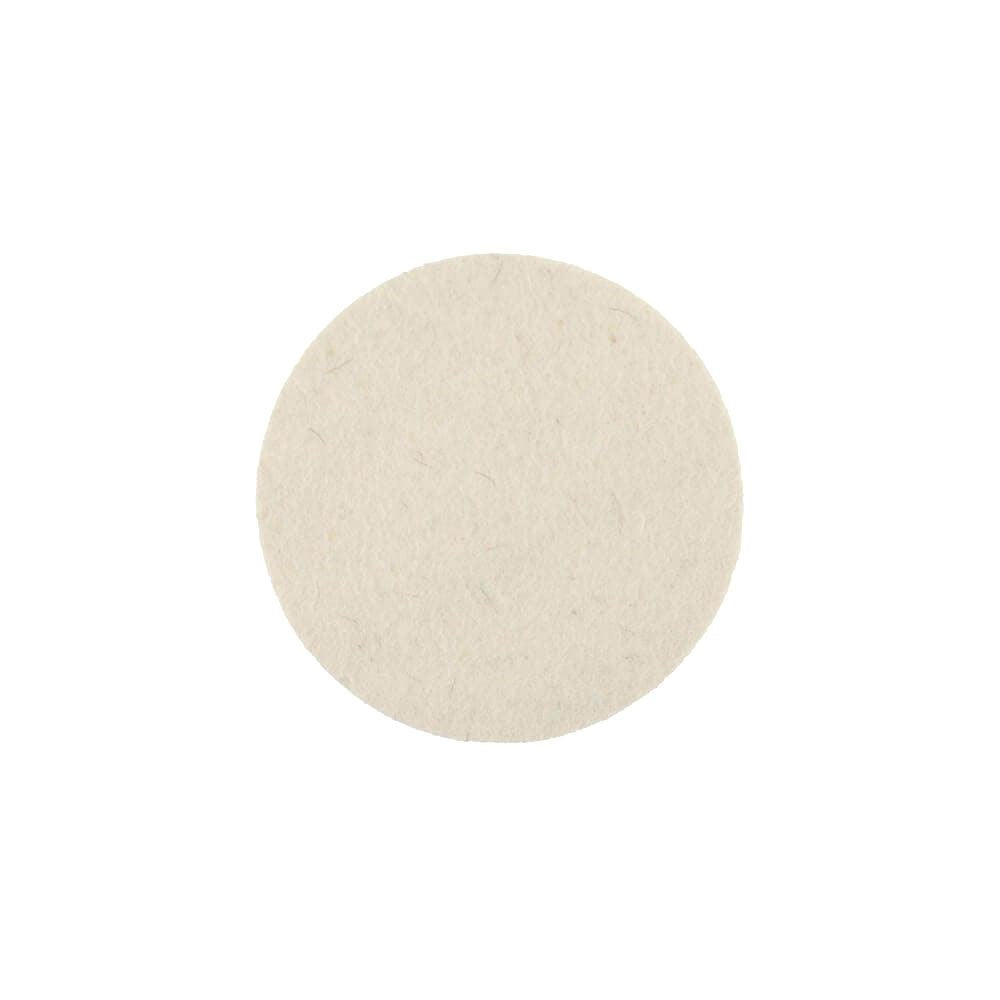
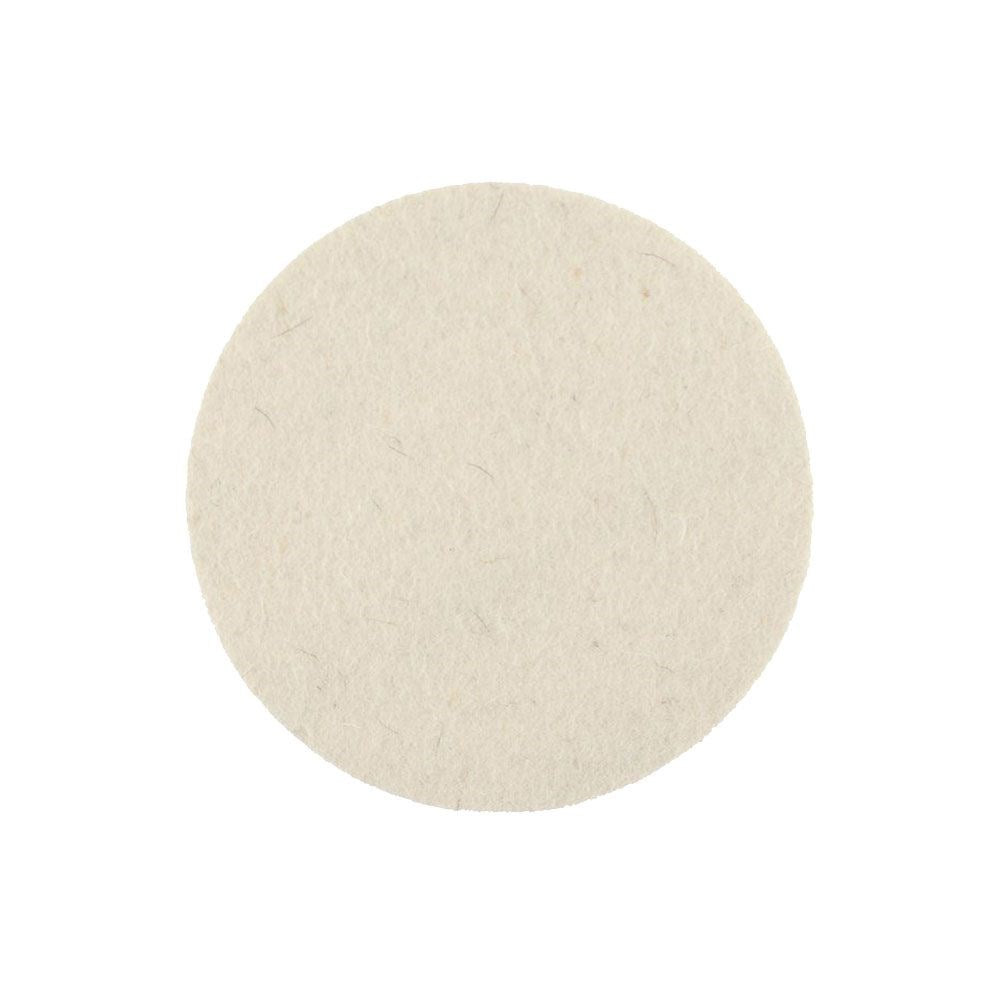
Mirka Glass Felt Pad is a purpose-designed polishing pad for restoring and polishing glass surfaces. Made from dense, hard white felt, it provides a stable and consistent polishing surface when used with a suitable glass polishing compound such as Mirka Polarshine E3.
Designed specifically for glass polishing, the felt pad is an essential component of the Mirka glass restoration system. Its firm construction helps maintain consistent contact with the glass during machine polishing, making it suitable for removing fine sanding marks, haze and surface imperfections while restoring smoothness and clarity.
Benefits
- Designed specifically for glass polishing – developed for use on glass surfaces rather than automotive paint.
- Hard white felt construction provides a firm, stable polishing surface for controlled machine polishing.
- Excellent stability helps maintain consistent contact with the glass during the polishing process.
- Ideal for use with Mirka Polarshine E3 for the final polishing and clarity-restoration stage.
- Helps restore glass clarity by refining the surface after sanding and removing residual haze and fine sanding marks.
- Suitable for professional glass restoration across automotive, architectural, marine and general glass applications.
- Grip backing allows the pad to securely attach to a compatible grip backing pad.
Ideal Applications
- Glass scratch removal and restoration
- Removal of fine sanding marks
- Glass haze and surface refinement
- Automotive glass restoration
- Architectural glass
- Marine glass
- Commercial glass restoration
- Final polishing after glass sanding
Recommended Combination
For best results, use the Mirka Glass Felt Pad as part of a complete glass polishing process. Pair the pad with Mirka Polarshine E3 Glass Polishing Compound for the final polishing stage after the appropriate glass sanding and refinement steps.
The Mirka glass restoration process typically involves removing the defect with suitable abrasives, progressively refining the sanding marks, then using the Glass Felt Pad and Polarshine E3 to restore smoothness and clarity.
Important
Glass polishing requires careful control of machine speed, pressure and temperature. Keep the polishing machine flat against the glass and use controlled movements. Avoid excessive heat buildup during polishing.
For automotive glass, particular care should be taken when correcting scratches because excessive or uneven material removal can affect optical clarity. The Mirka glass polishing system is intended to progressively restore glass surfaces while maintaining a controlled polishing process.
Mirka Glass Felt Pad is the ideal finishing pad for the Mirka glass polishing system, providing the firm, stable felt surface required to work effectively with Polarshine E3 and achieve a smooth, clear and professionally finished glass surface.
- Prepare the glass: Thoroughly clean the glass to remove dirt, grease, dust and other contamination. The surface should be clean before polishing.
- Complete sanding first if required: For scratched or damaged glass, use the appropriate Mirka glass abrasives to progressively refine the surface before moving to the polishing stage.
- Attach the pad: Secure the Mirka Glass Felt Pad to a compatible 125mm grip backing pad, ensuring it is correctly centred and firmly attached.
- Apply polishing compound: Apply an appropriate amount of Mirka Polarshine E3 Glass Polishing Compound to the felt pad.
- Position the machine: Place the polishing pad flat against the glass. Avoid tilting the machine or concentrating pressure on a small area.
- Polish at controlled speed: Work with slow, controlled overlapping passes. Keep the pad moving across the surface to help maintain an even finish and control heat.
- Keep the compound active: Do not allow the polishing compound to dry on the glass. Add a small amount of compound as necessary during the polishing process.
- Inspect regularly: Stop periodically, clean the glass with a suitable glass cleaner and soft microfibre cloth, and inspect the surface under suitable lighting.
- Repeat if necessary: Continue polishing until the desired clarity and finish have been achieved.
- Clean after polishing: Thoroughly remove remaining compound residue from the glass and inspect the finished surface.