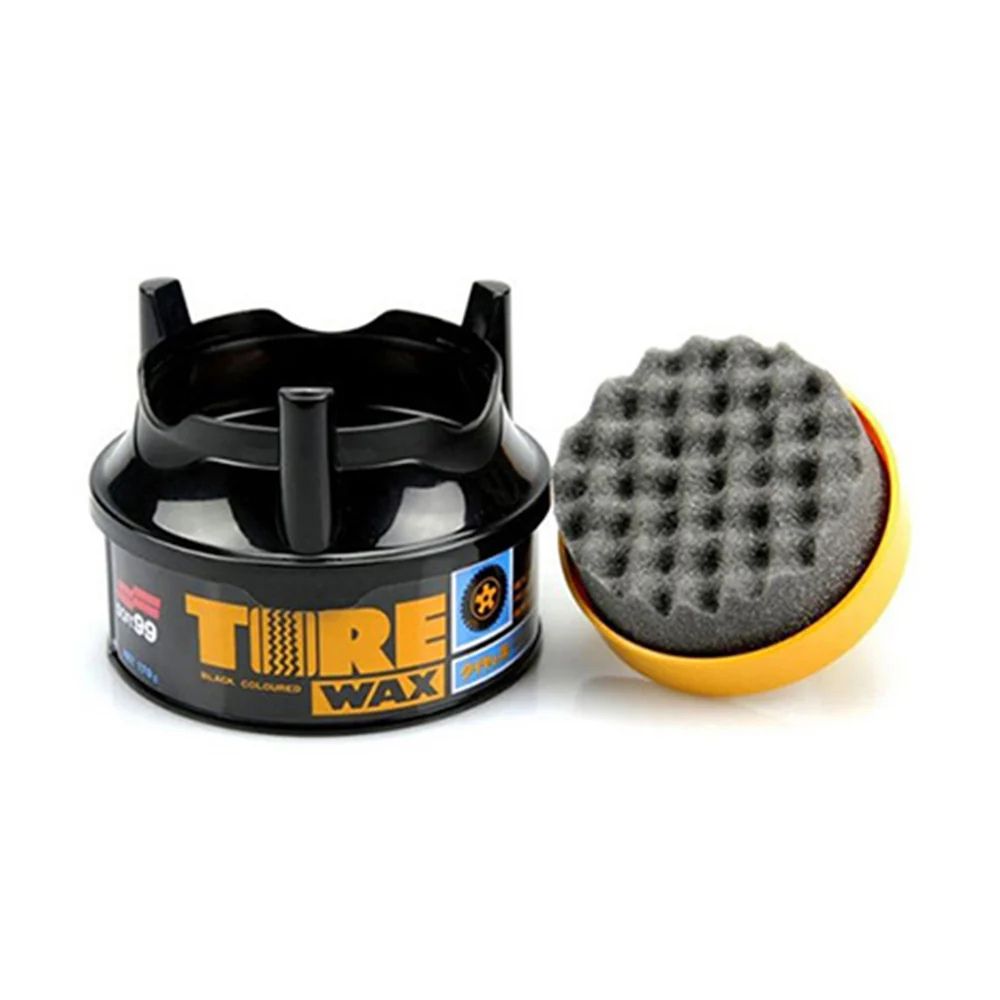
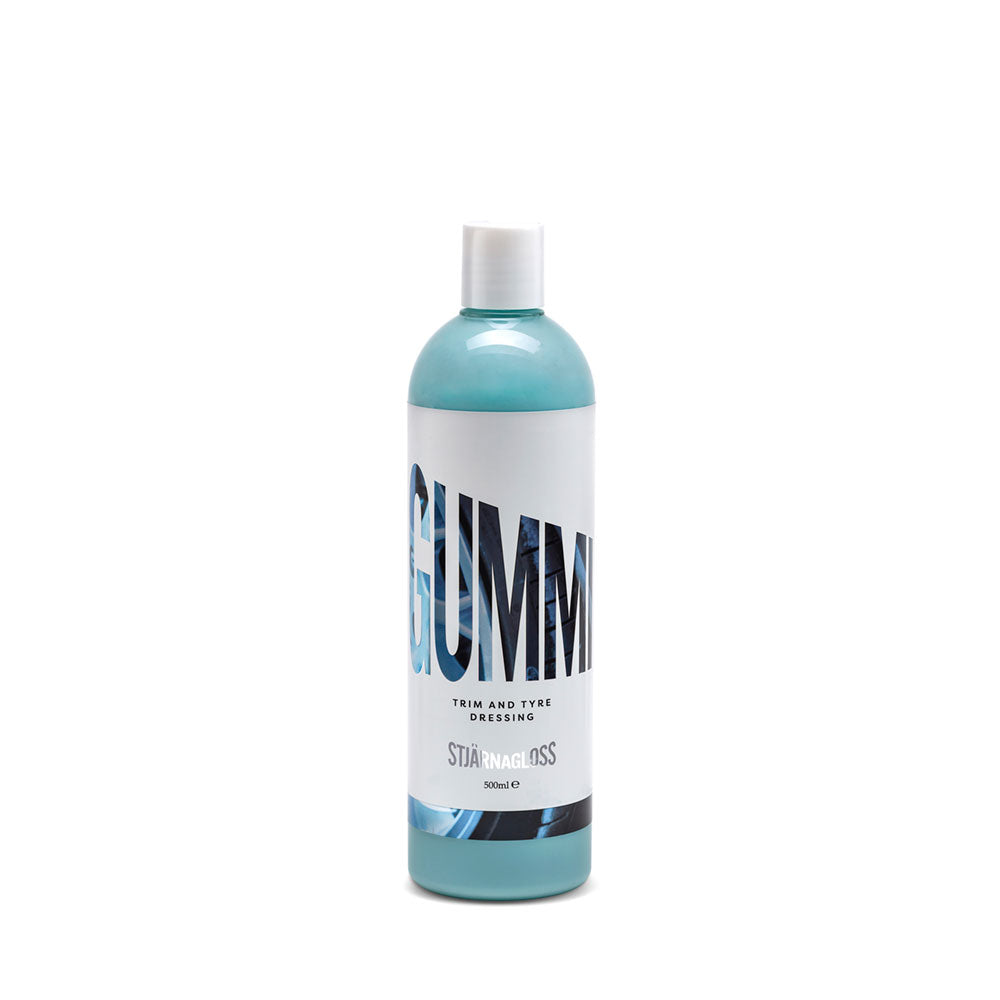
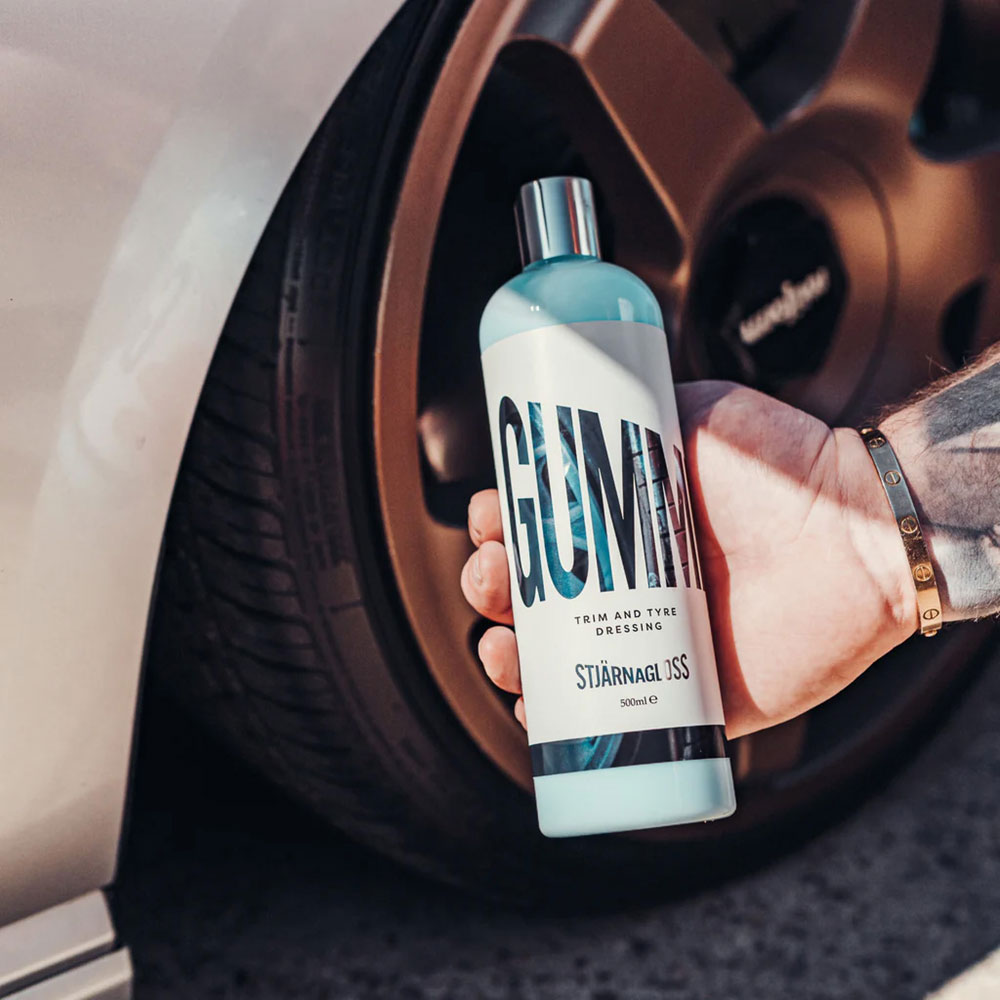
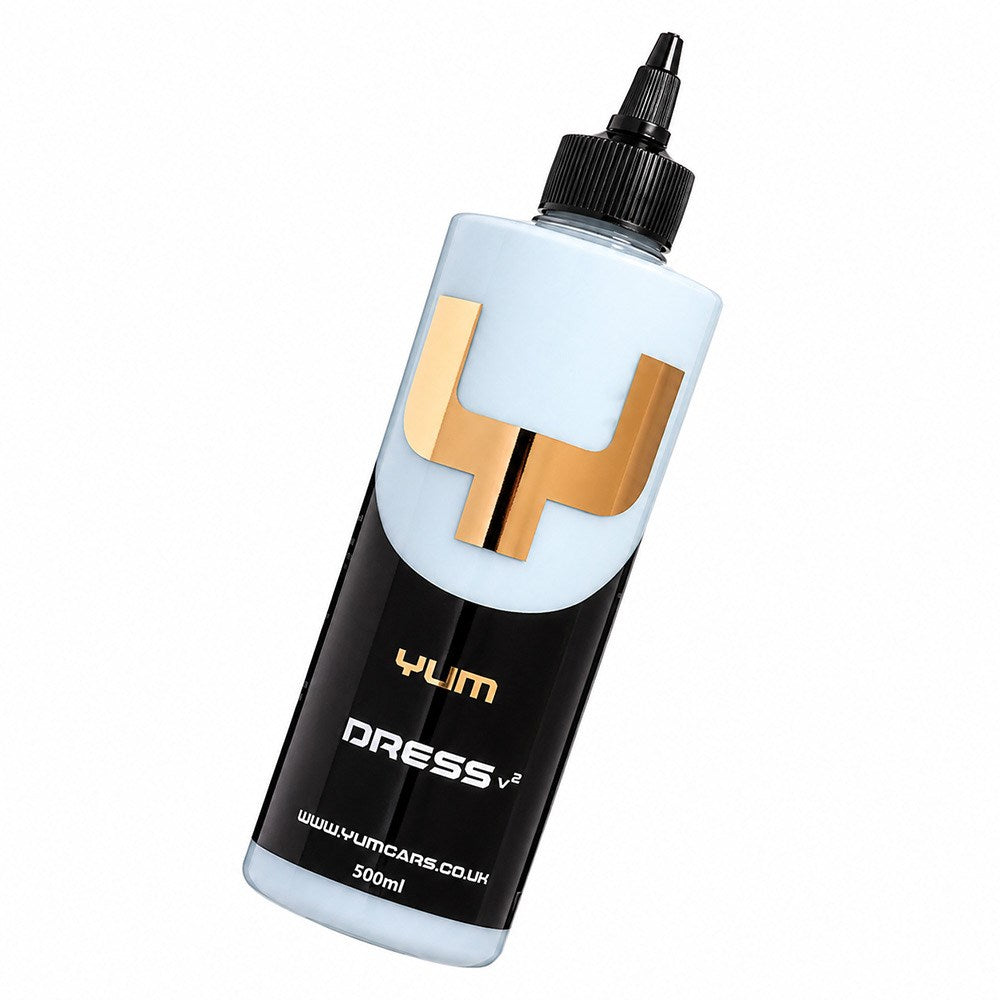
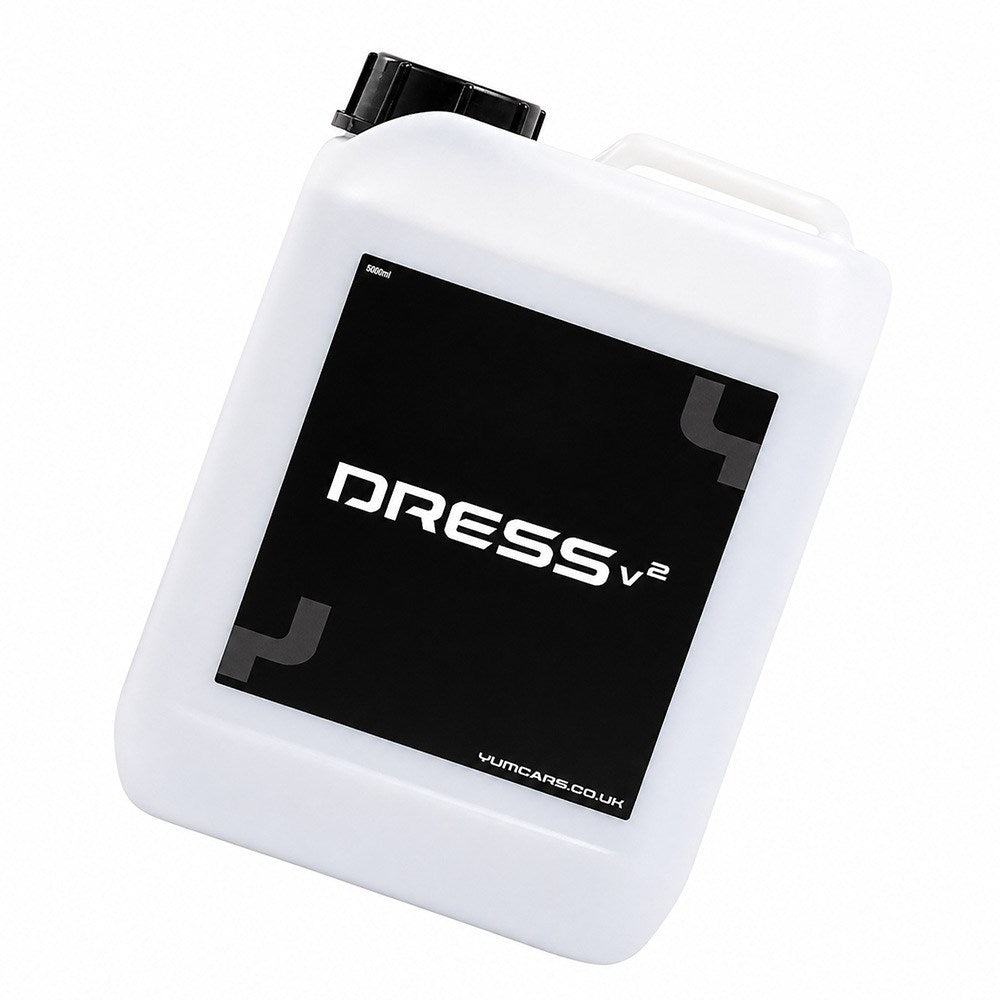
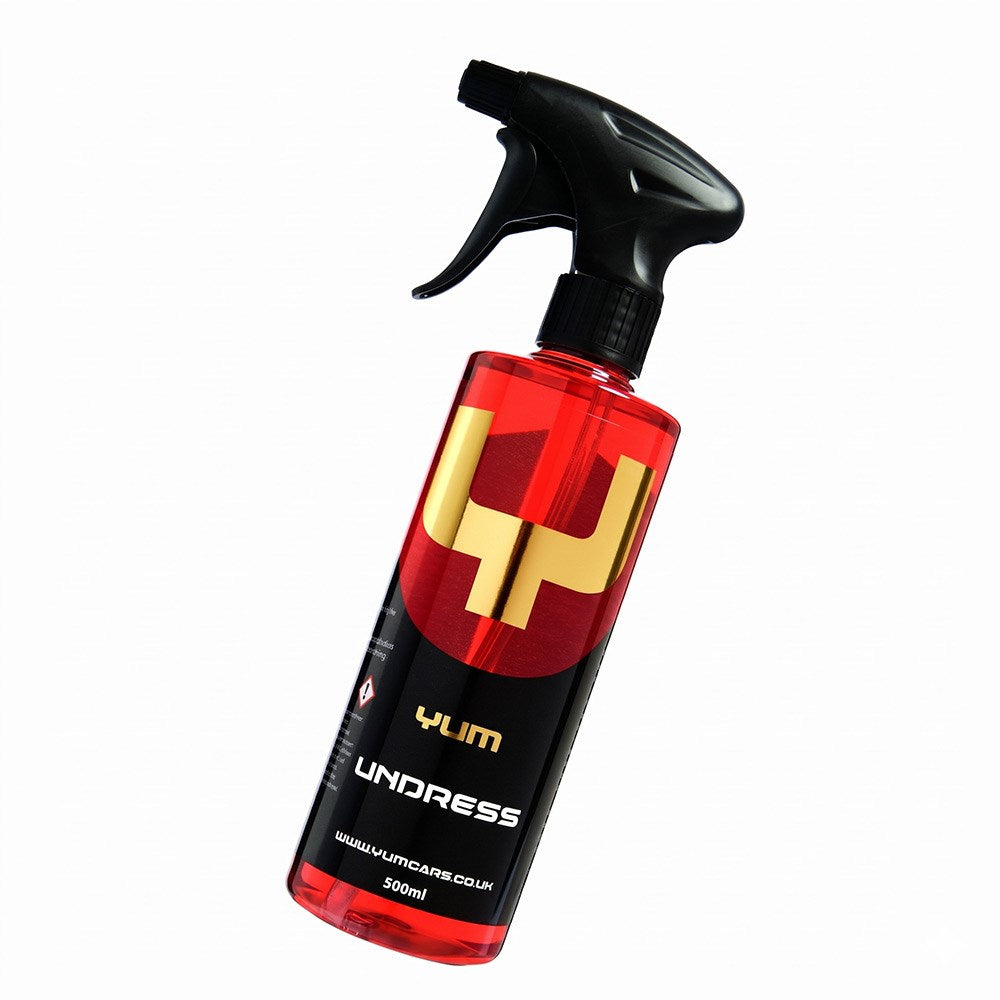
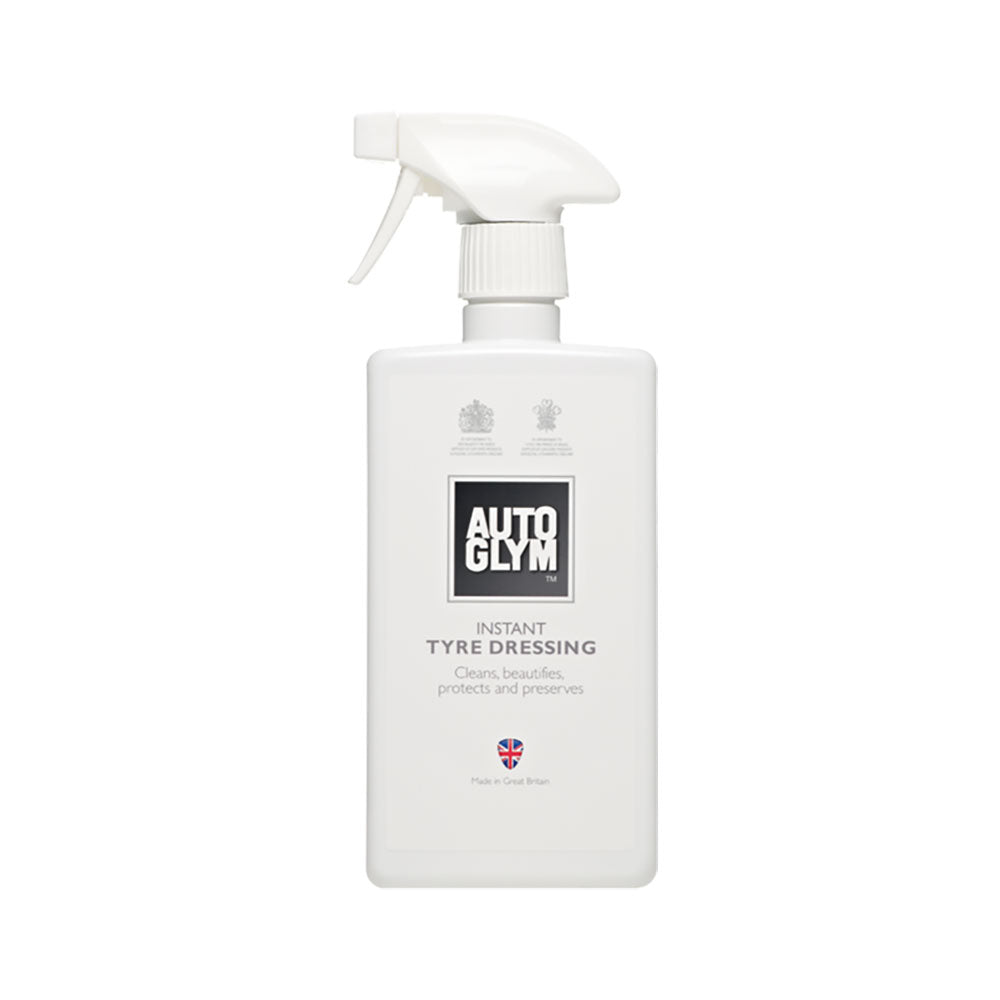
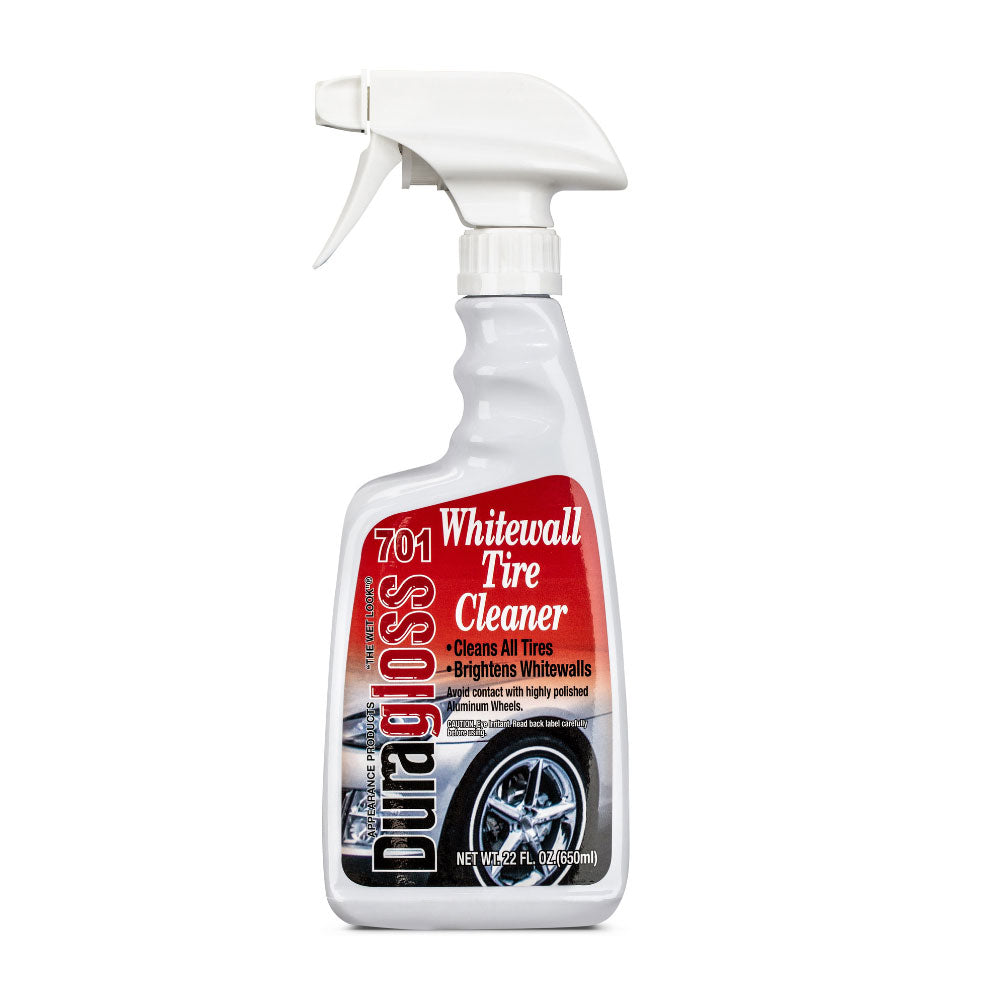
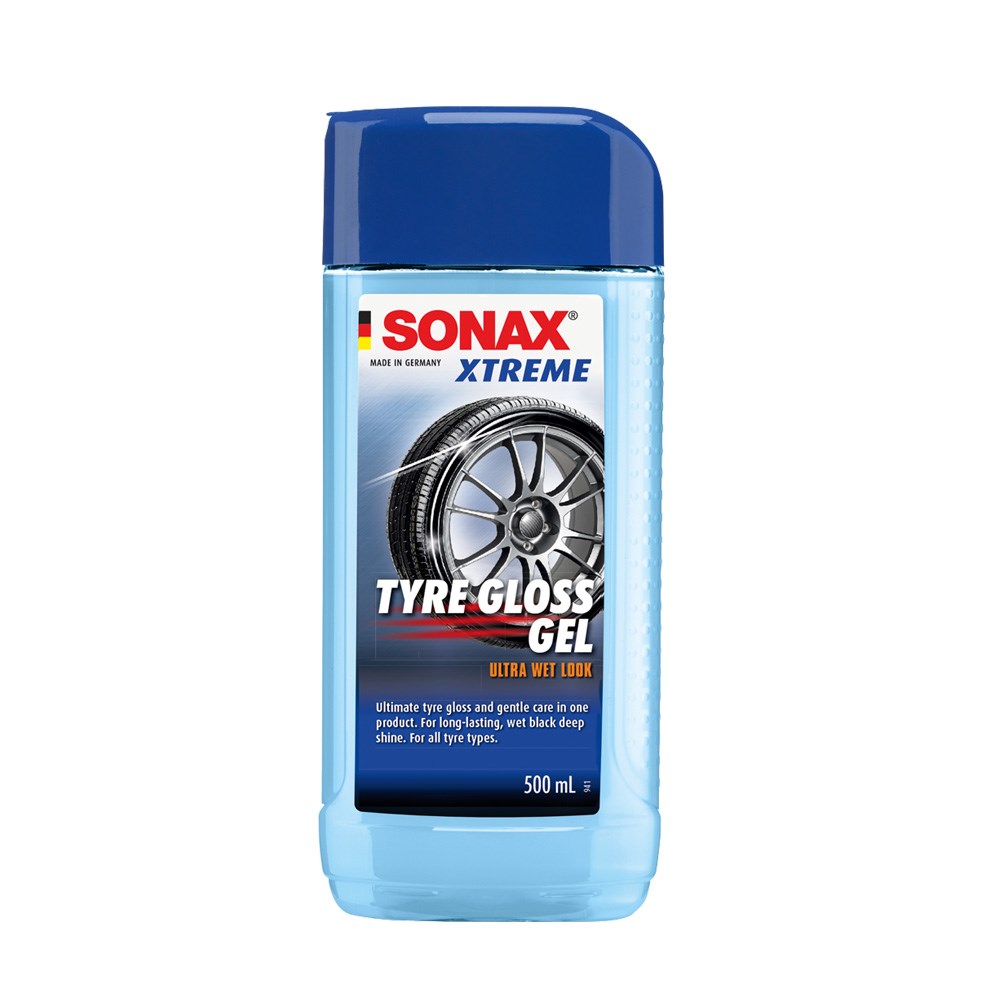
What Is Tyre Shine?
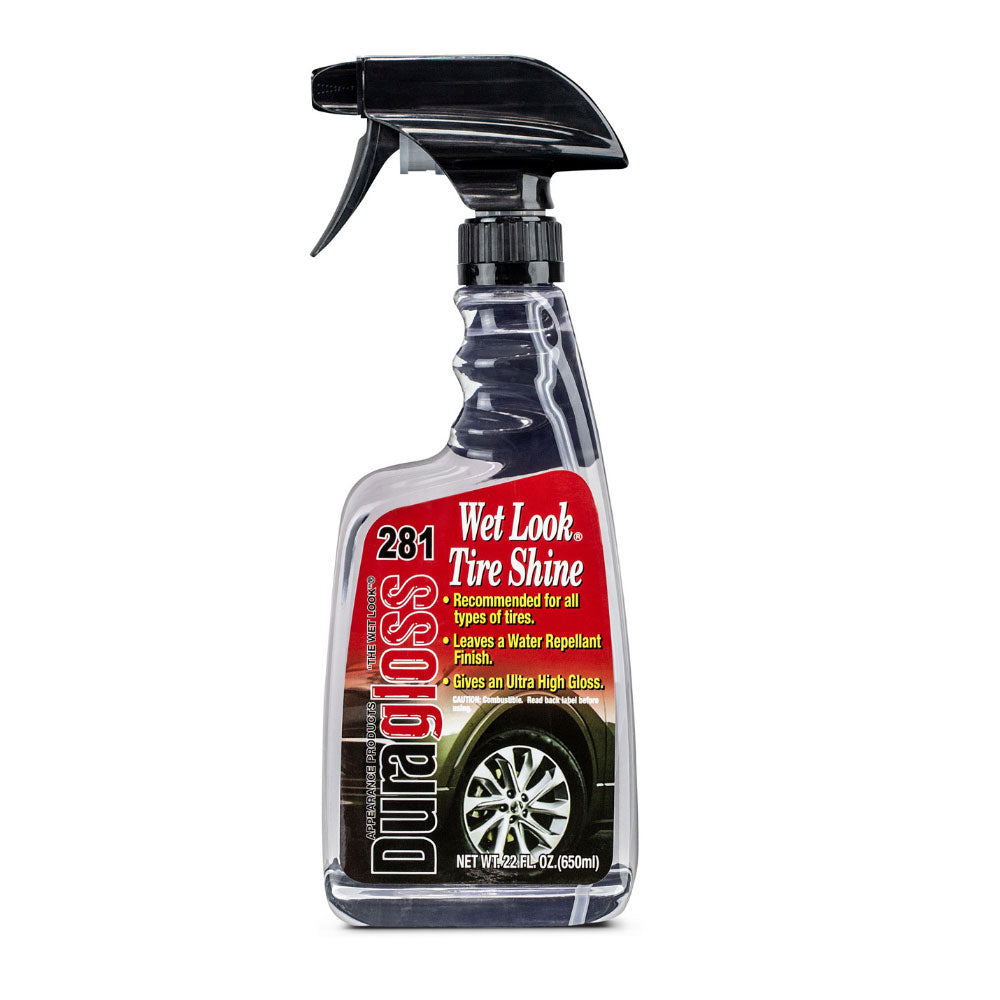
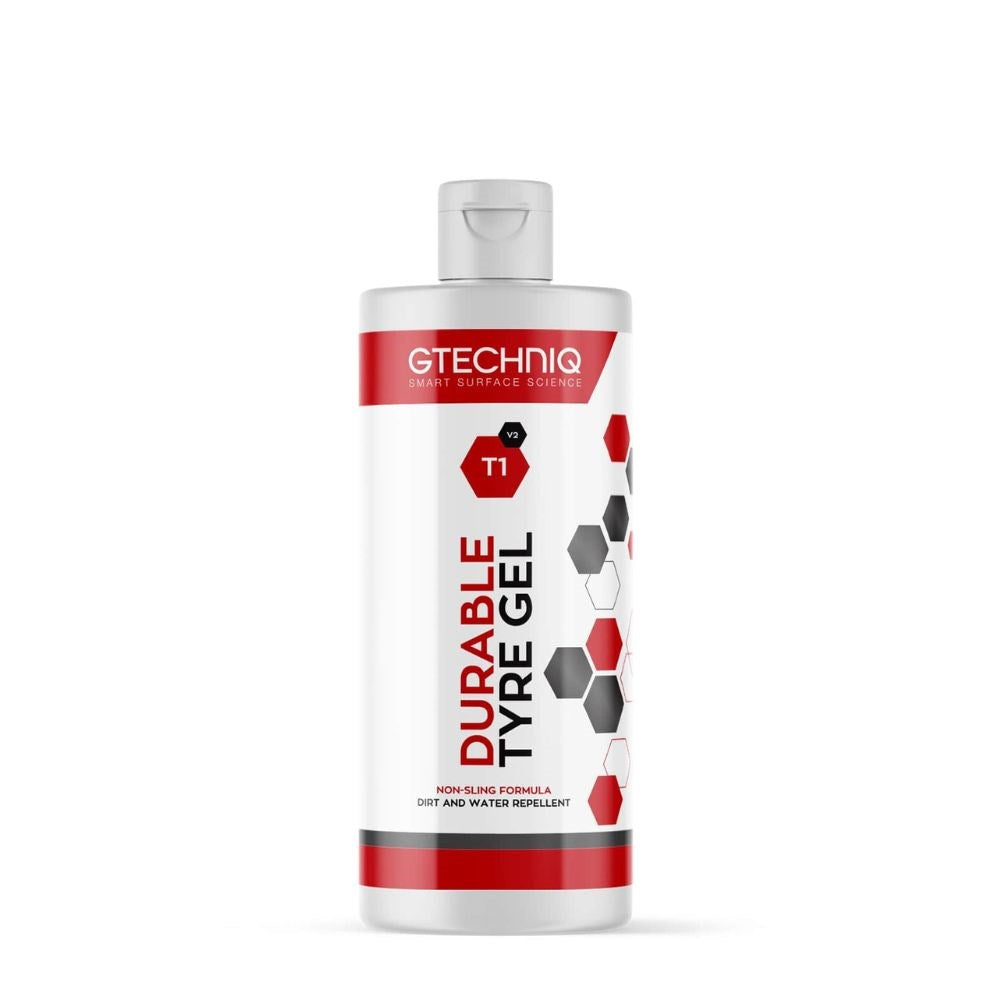
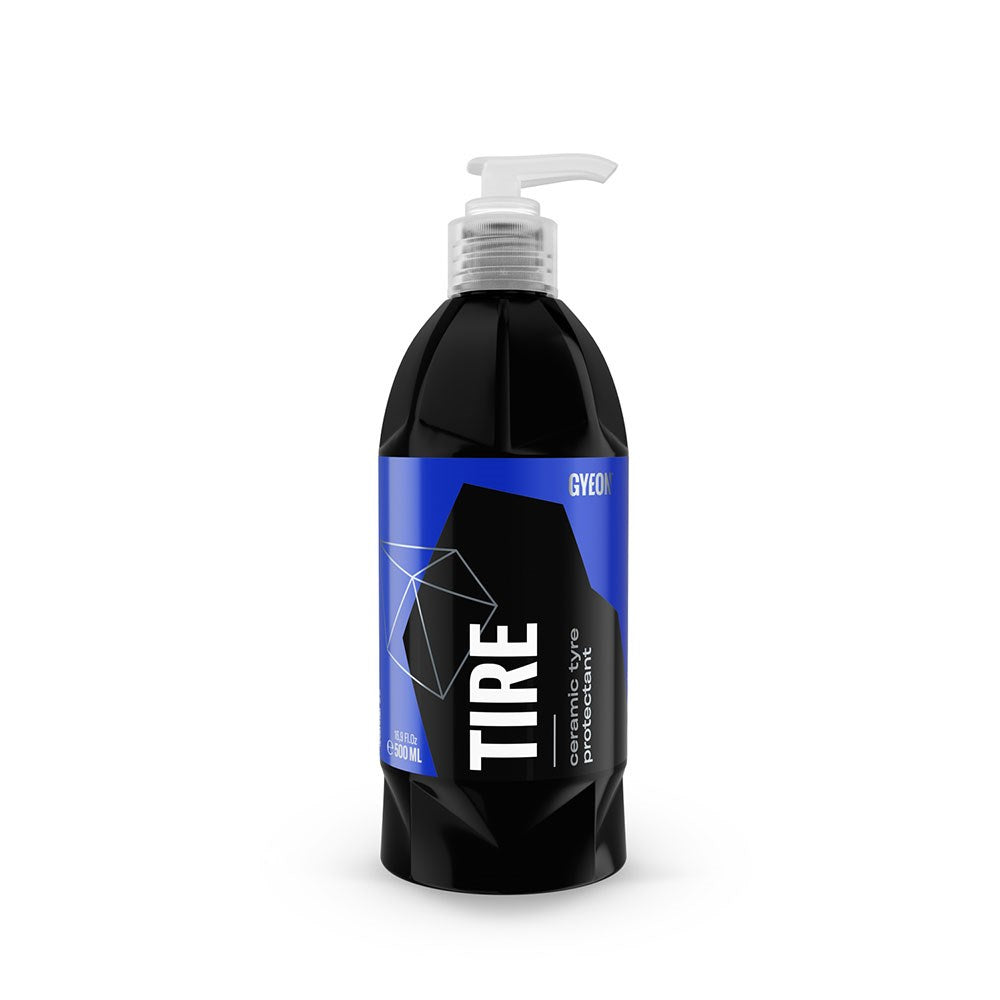
Tyre shine, also called tyre dressing, tyre black or tyre gel, is a protectant applied to the sidewalls of your tyres. It darkens the rubber, adds a satin or gloss finish, and helps shield it from the UV rays, ozone and road grime that cause fading, browning and cracking. Formulas range from quick spray-on dressings to durable gels and coatings that last through multiple washes.
What Makes the Best Tyre Shine?
The best tyre shine depends on the look you want, but the best tyre dressings share these qualities:
-
Non-sling: it dries or cures properly so it won't fling onto your paint and wheels when you drive.
-
Even, streak-free finish: no patchy or blotchy areas on the sidewall.
-
Durability: it lasts through rain and washing rather than fading after a few days.
-
UV protection: essential under the harsh Australian sun.
-
Controllable finish: you can choose satin or gloss, often by adding a second coat.
-
Dries to the touch: a dry finish won't attract dust and dirt.
Types of Tyre Dressing: Which One Do You Need?
| Tyre dressing type |
Finish |
Durability |
Best for |
| Water-based tyre shine spray |
Natural satin; layer for more gloss |
Shorter |
A quick finish after every wash on daily drivers |
| Tyre gel |
Satin to high gloss |
Medium to long |
Controlled application with minimal overspray |
| Tyre coating |
Satin |
Longest, through multiple washes |
Low-maintenance owners and enthusiasts |
| Wet-look tyre shine |
High gloss |
Medium to long |
Show cars and a bold, glossy look |
| Rubber & trim dressing |
Satin |
Shorter to medium |
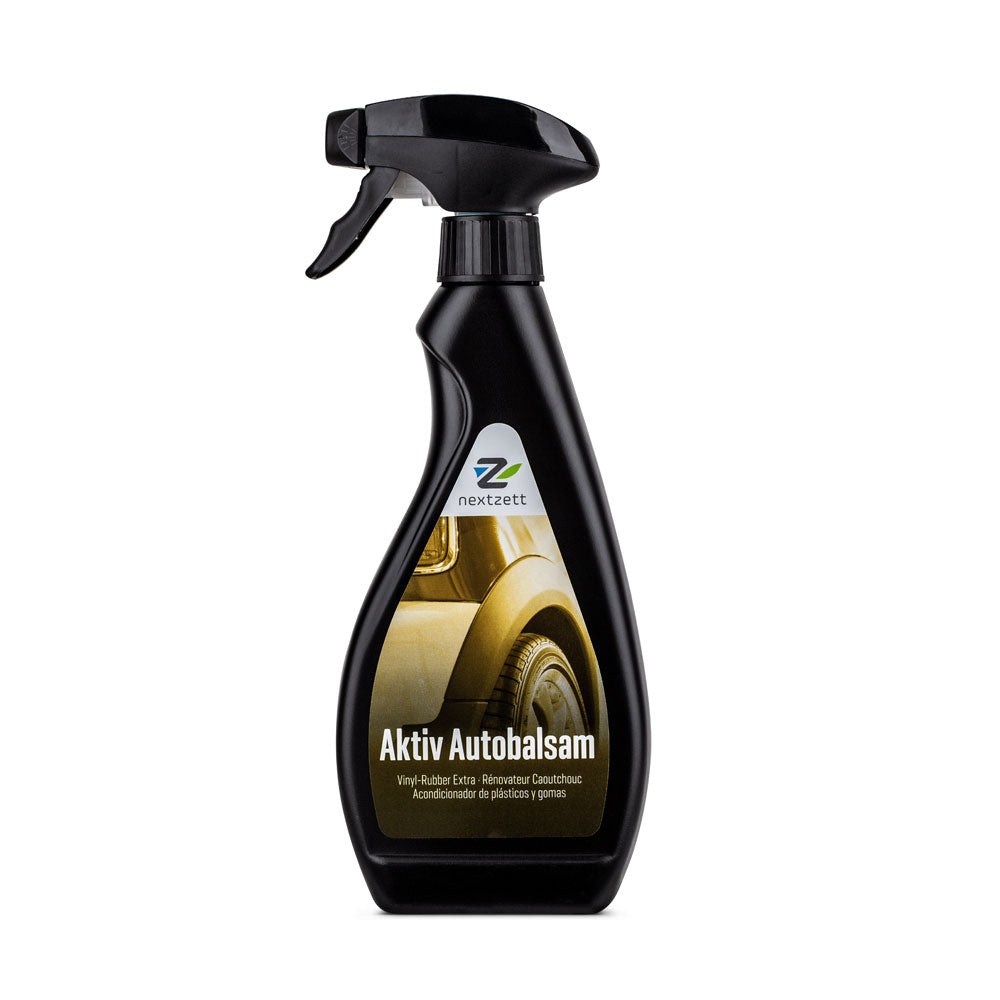
Tyres plus exterior rubber and plastic |
Satin vs Gloss Tyre Shine
A satin or matte tyre dressing gives a clean, factory-new look that suits most daily drivers and complements any paint colour. A gloss or wet-look tyre shine gives a bold, show-car finish. If you're unsure, start with a satin tyre dressing: with many water-based formulas you can add a second coat for more gloss, but you can't easily take gloss away.
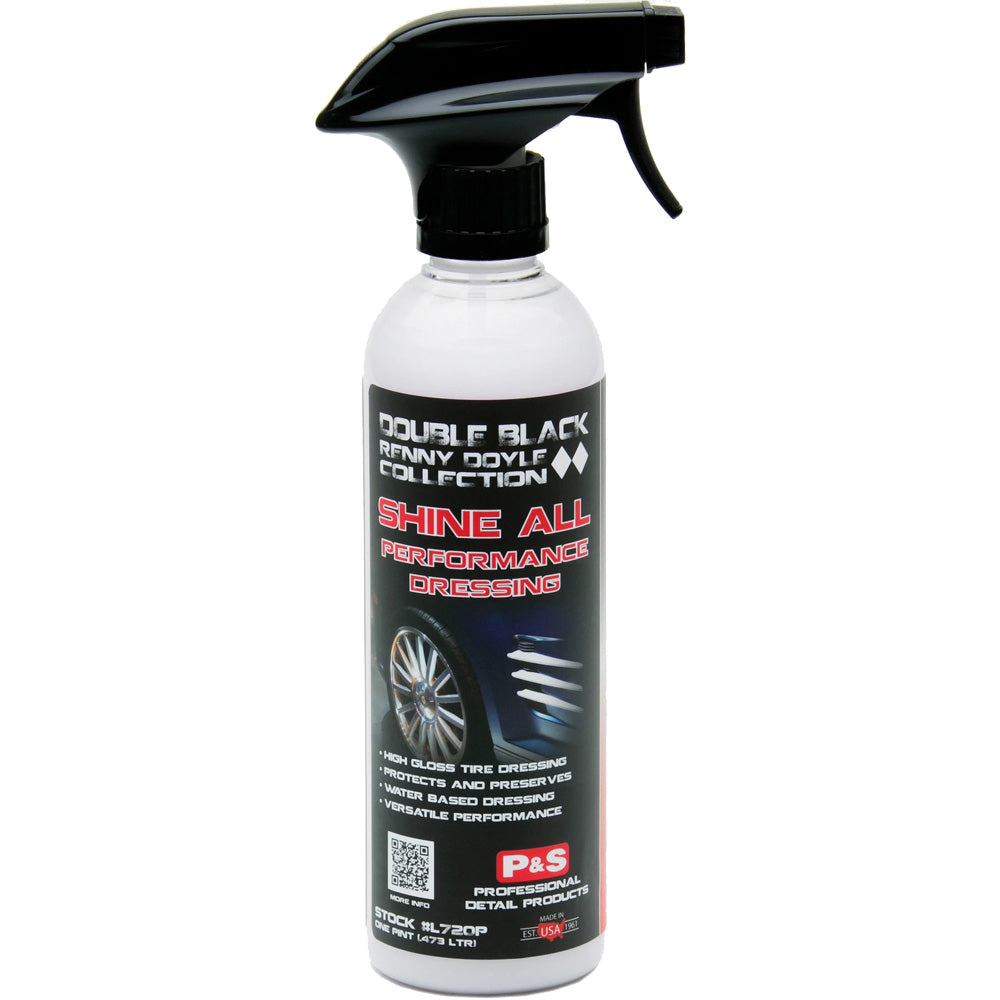
Tyre Shine Spray vs Tyre Gel
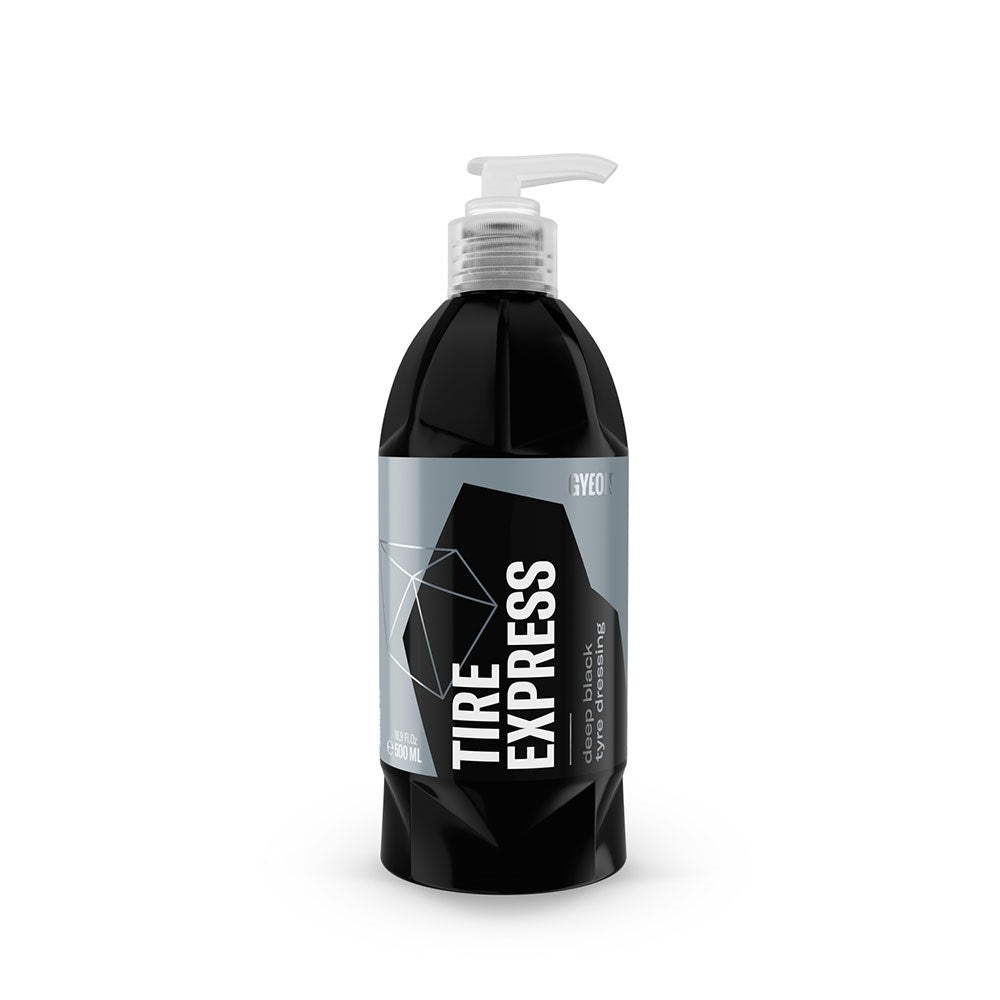
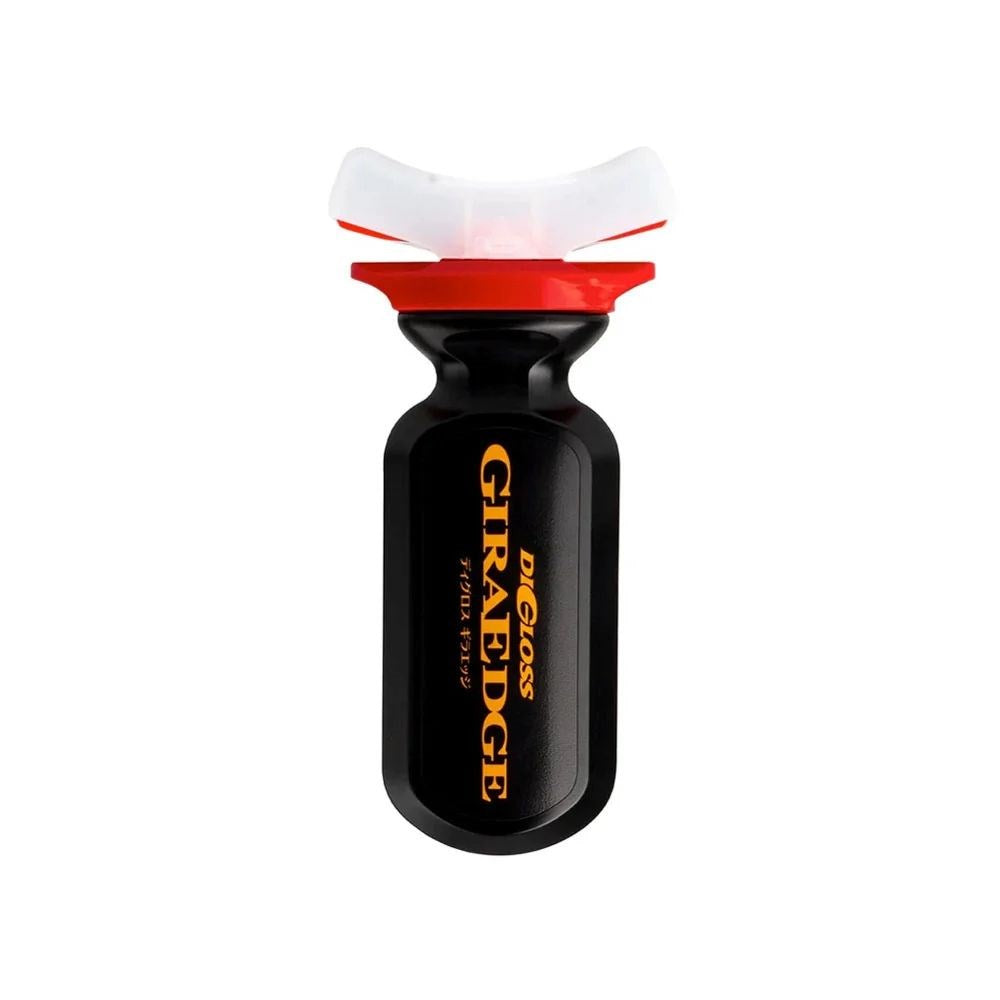
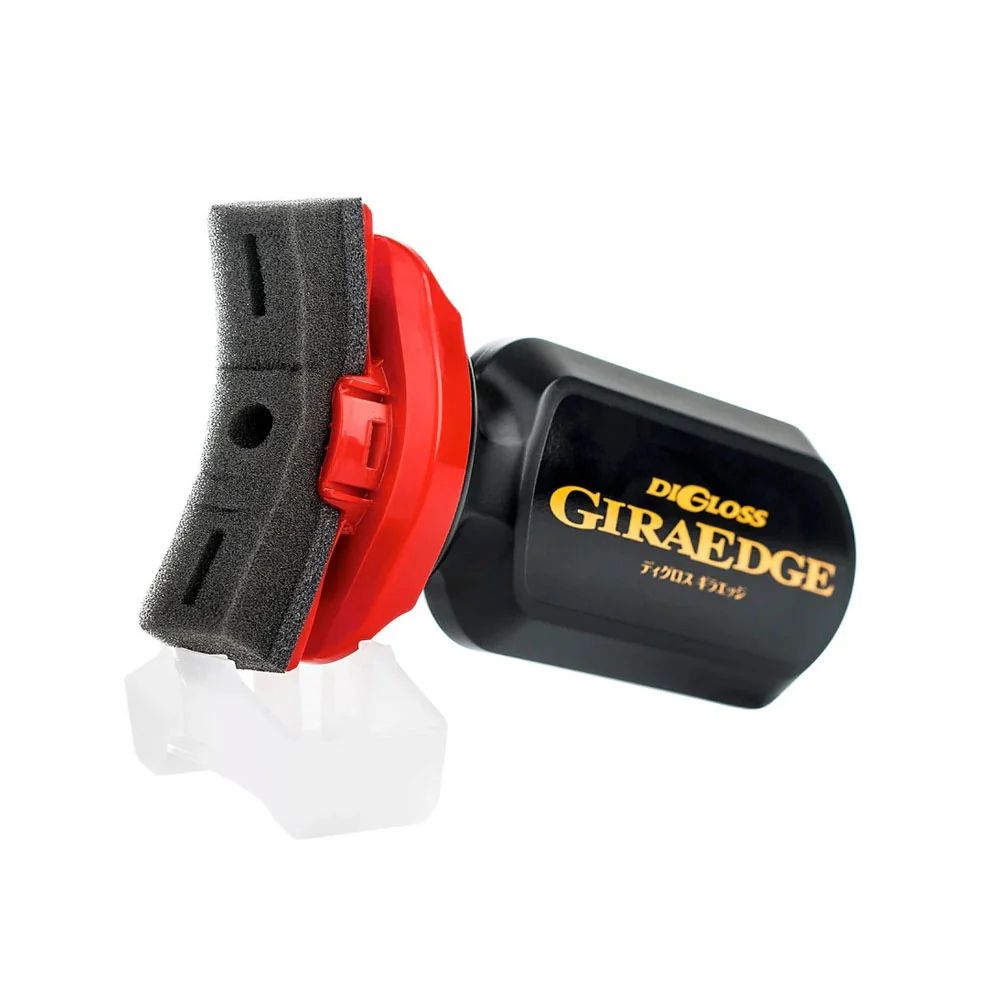
A tyre shine spray is the fastest option and great for regular top-ups. A tyre gel is applied with a foam applicator, which gives you more control, less overspray on your wheels and brakes, and usually a longer-lasting result.
Long-Lasting Tyre Shine
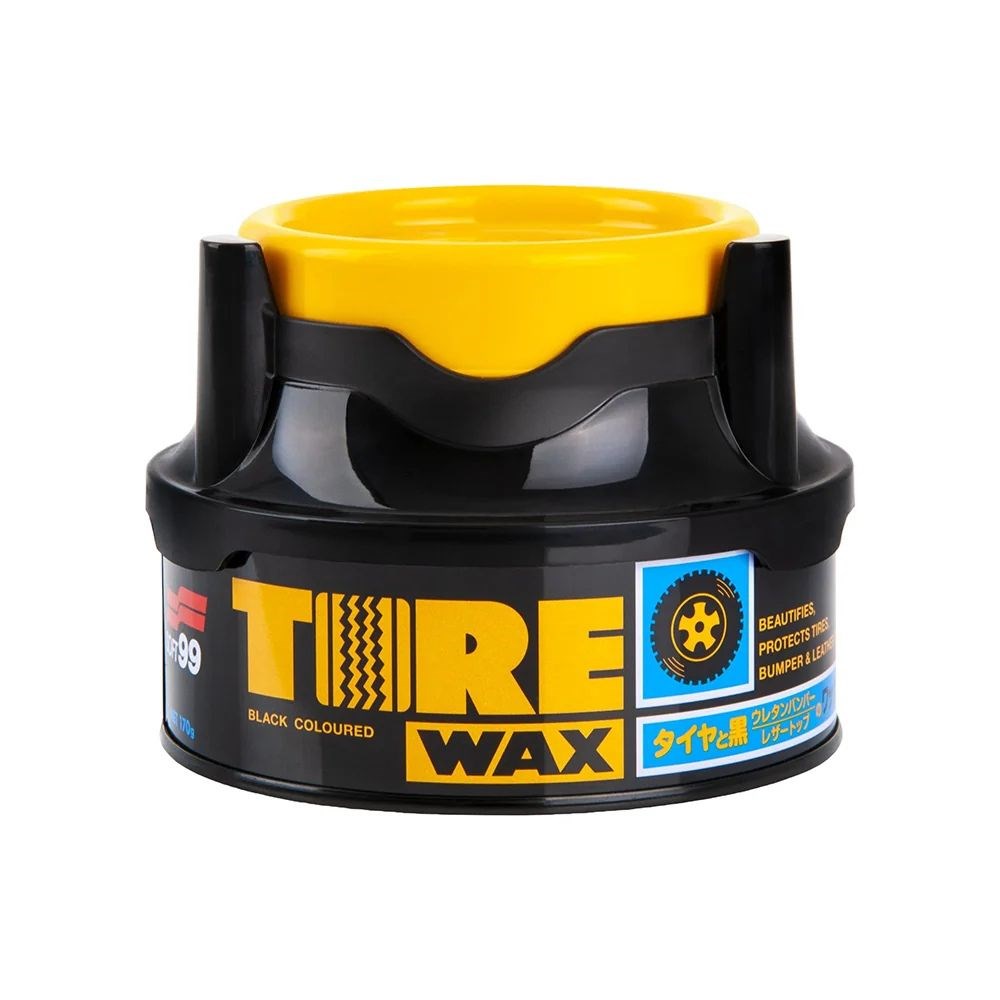
For the longest-lasting tyre shine, choose a tyre coating or durable gel and prepare the tyre properly. Preparation matters as much as the product: even the best tyre dressing won't bond to rubber covered in old dressing and brown residue.
Why Do Tyres Go Brown?
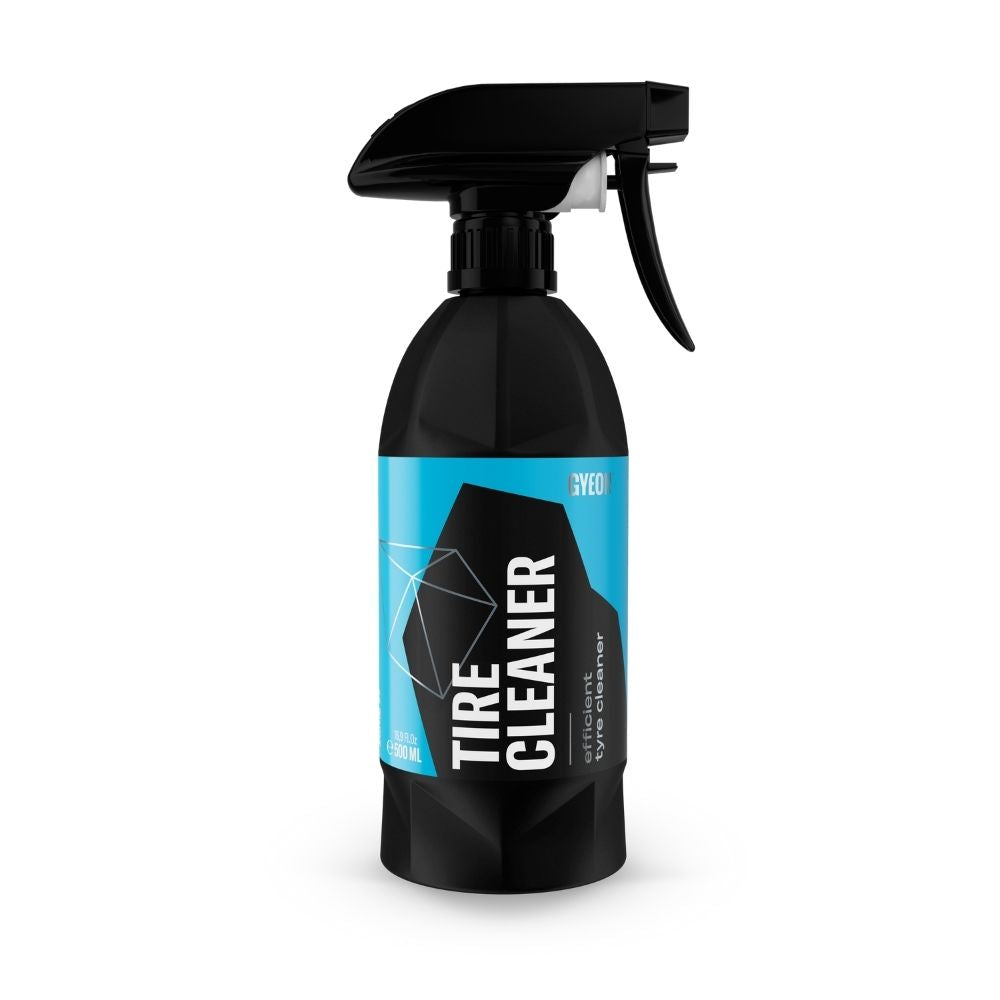
Brown tyres are caused by "blooming". Tyres contain protective compounds that migrate to the surface over time and oxidise, leaving a brown film. Old tyre dressing, brake dust and road grime add to the discolouration. Tyre shine applied on top of that film looks patchy and wears off quickly. The fix is a dedicated tyre cleaner and a stiff tyre brush: scrub until the foam turns from brown to white, rinse, and let the tyre dry before applying dressing.
How to Apply Tyre Shine Without Sling
-
Clean the tyre with a tyre cleaner and stiff brush, then rinse until the water runs clear.
-
Let it dry completely. Water trapped in the sidewall lettering stops the dressing bonding.
-
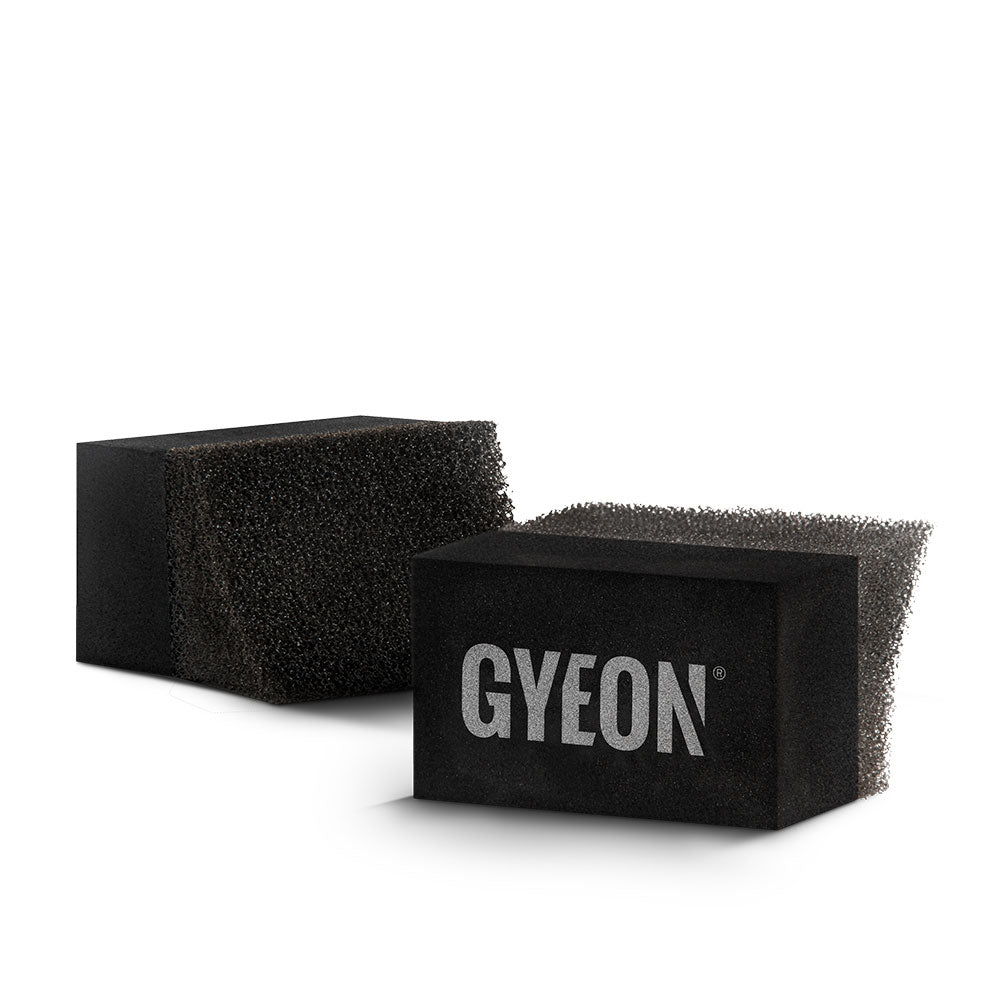
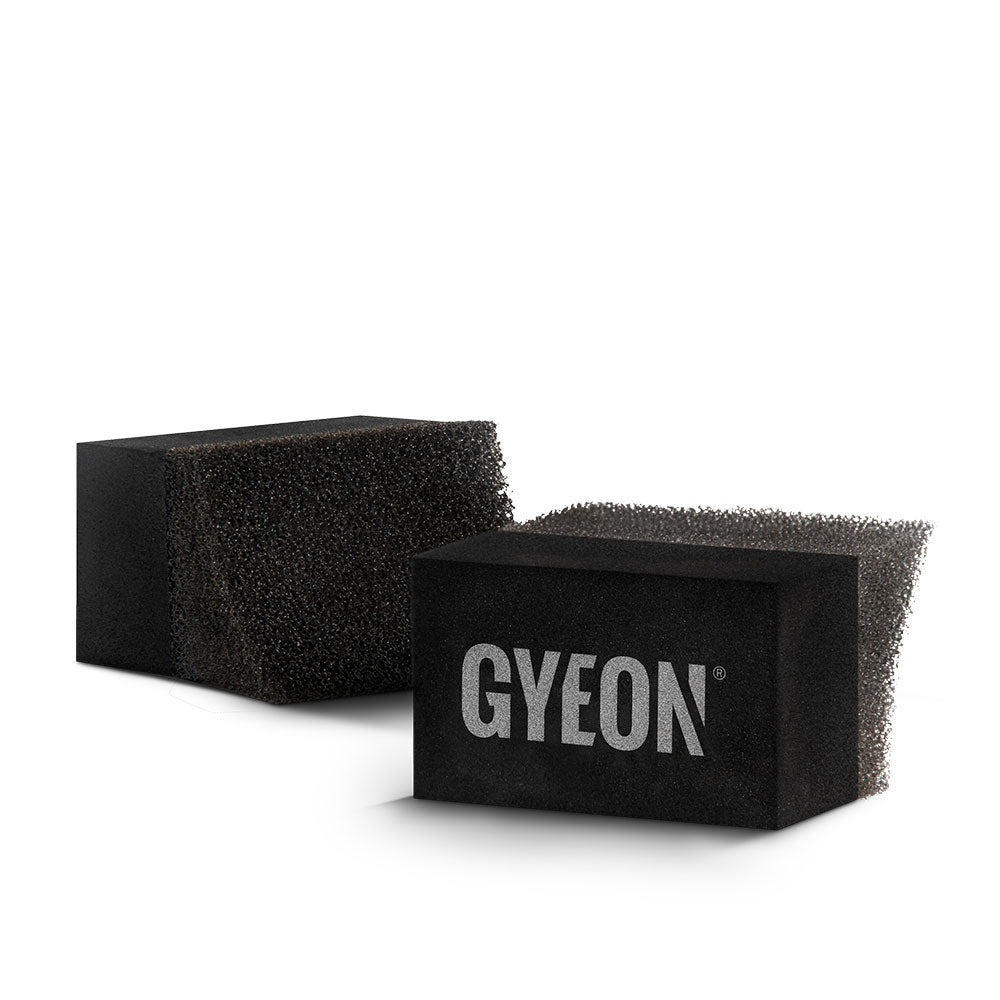
Apply a thin, even coat to the sidewall only, using a foam tyre applicator rather than spraying directly onto the tyre.
-
Add a second coat if you want more gloss, once the first has dried.
-
Wipe off any excess with a microfibre cloth.
-
Let it dry fully before driving. Heavy, wet layers are the main cause of tyre shine sling.
Safety note: never apply tyre shine to the tread. It reduces grip, especially when braking or cornering in the wet.
How Often Should You Apply Tyre Dressing?
Water-based tyre shine sprays are usually reapplied after each wash. Tyre gels and coatings last longer and need reapplying less often. A good rule of thumb: reapply when the tyres start to look grey or brown again, or when water no longer beads on the sidewall.
Tyre Care in Australian Conditions
Australia has some of the highest UV levels in the world, and tyres on cars parked outdoors fade, brown and crack faster than in milder climates. Regular tyre cleaning and a tyre dressing with UV protection keep your rubber looking fresh for longer. For a full step-by-step routine, read our complete tyre cleaning and protection guide.
Complete Your Wheel and Tyre Routine
Pair your tyre shine with wheel cleaners for brake dust, wheel and tyre brushes, wheel protection to make future cleaning easier, and tyre applicators for a clean, even finish. Prefer everything in one box? Browse our wheel cleaning kits.
Why Buy Tyre Shine From Car Care Products Australia?
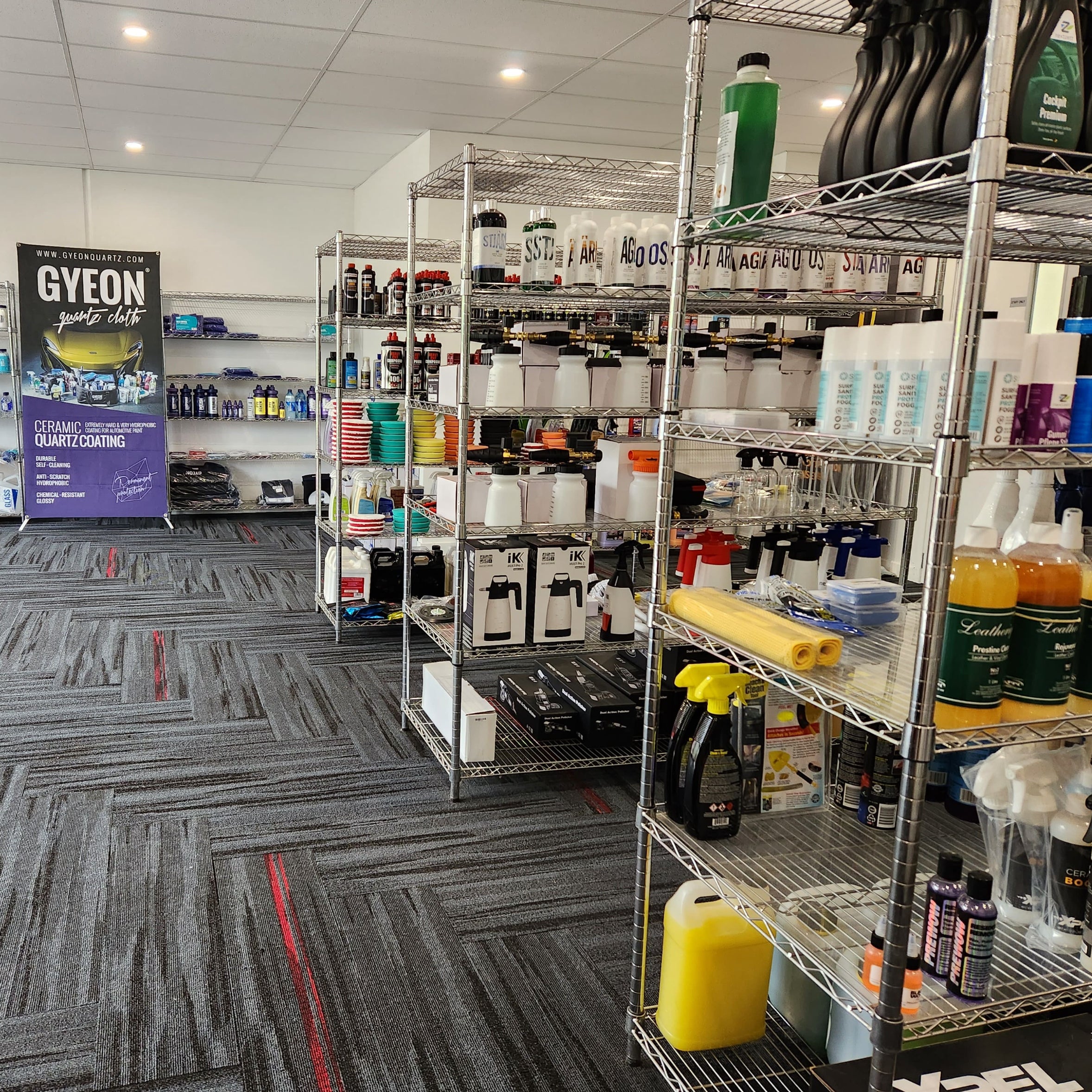
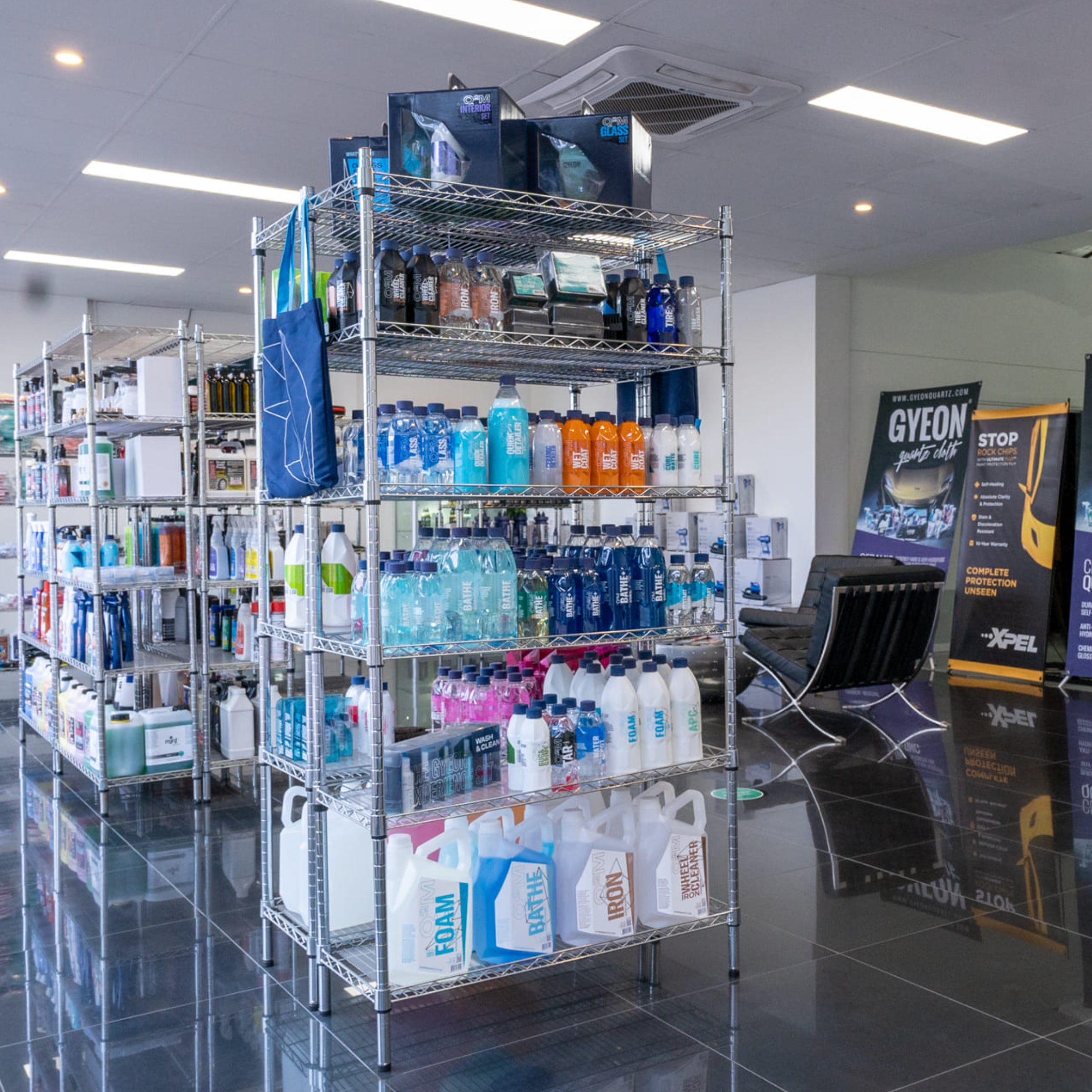
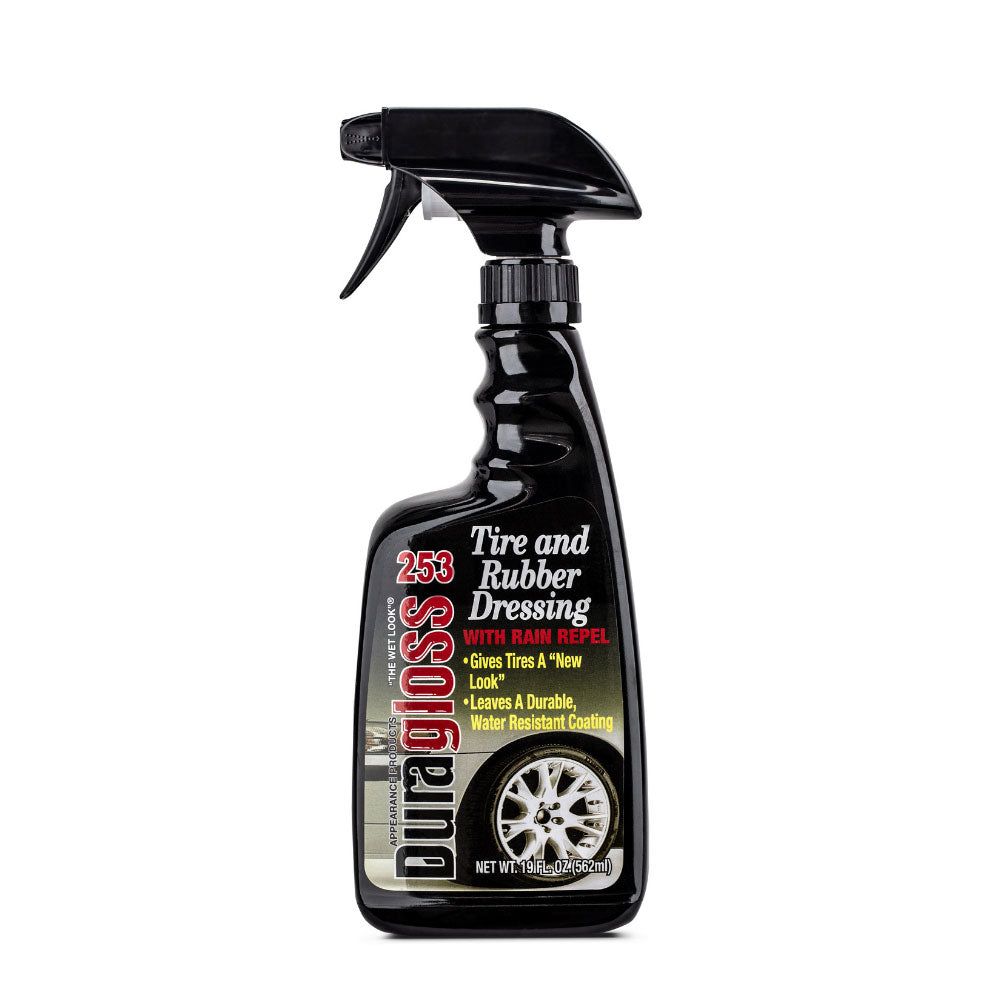
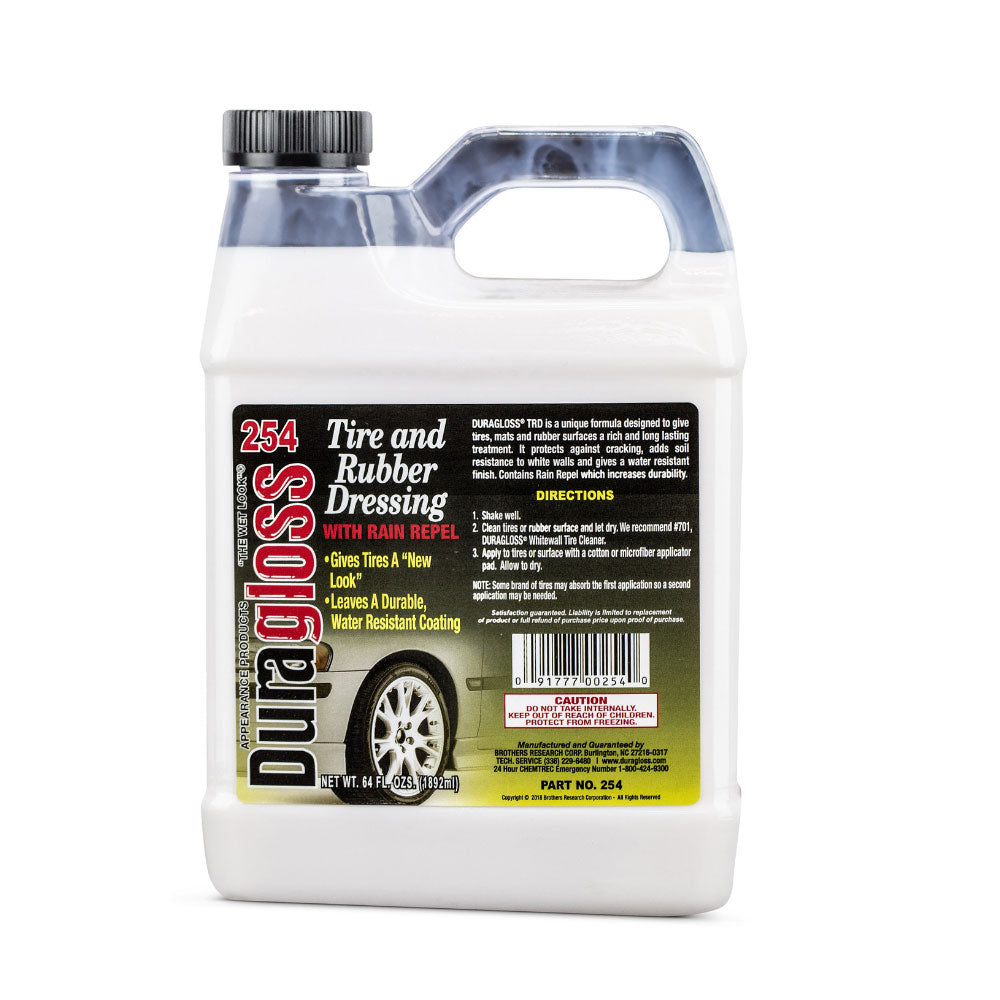
Car Care Products Australia has supplied premium detailing products to enthusiasts and professional detailers since 2007. We're the official Australian distributor for GYEON and stock tyre dressings from the world's leading brands, including Gtechniq, Sonax, Duragloss, Soft99 and Nextzett. Not sure which tyre shine suits your car? Visit our showrooms in Leichhardt, Sydney or Murarrie, Brisbane, call 1300 006 007, or contact our team. Free shipping on orders over $150 (conditions apply).
Tyre Shine & Tyre Dressing FAQs
What is the best tyre shine?
The best tyre shine is non-sling, dries evenly and includes UV protection. For daily drivers, a satin water-based tyre dressing or tyre gel gives a clean, natural look. For the longest-lasting result, choose a tyre coating. For a bold show-car look, choose a wet-look tyre shine.
What is the difference between tyre shine and tyre dressing?
The terms are mostly interchangeable. Both are applied to tyre sidewalls to darken and protect the rubber. "Tyre shine" usually refers to glossier products, while "tyre dressing" covers the full range from natural satin to high gloss.
What is the longest-lasting tyre shine?
Tyre coatings and durable tyre gels last the longest and are designed to survive several washes, while water-based sprays usually need reapplying after each wash. Durability depends as much on preparation as on the product, so always apply to a clean, fully dry tyre.
How do I stop tyre shine from slinging onto my paint?
Clean and fully dry the tyre first. Apply a thin coat with a foam applicator rather than spraying directly, wipe off any excess, and let the dressing dry completely before driving. Thick, wet layers are the main cause of sling.
Why do my tyres go brown?
Brown tyres are caused by blooming. Protective compounds in the rubber migrate to the surface and oxidise, and old dressing and road grime add to the discolouration. A dedicated tyre cleaner and stiff brush will remove it.
How do I make my tyres black again?
Scrub the tyres with a dedicated tyre cleaner and stiff brush until the foam runs white, rinse and let them dry. Then apply a tyre dressing with a foam applicator. A satin dressing gives a natural black; a gloss tyre shine gives a wet look.
Should I put tyre shine on the tread?
No. Only apply tyre dressing to the sidewall. Tyre shine on the tread reduces grip and can be dangerous, especially when braking or cornering in the wet. Also keep it off brake discs and pads.
Is tyre shine bad for your tyres?
Quality tyre dressings formulated for automotive rubber are safe to use, and many include UV protectants that help reduce fading. Apply them to the sidewall only and follow the product directions.
Is satin or gloss tyre shine better?
It comes down to personal preference. A satin or matte tyre dressing looks natural and factory-fresh and suits most daily drivers. A gloss or wet-look tyre shine gives a bolder, show-car appearance.
Can I use tyre dressing on exterior plastic trim?
Many tyre dressings are multi-use and suitable for exterior rubber and plastic, so check the label. For faded or grey plastic trim, a dedicated exterior trim restorer usually lasts longer.
How often should I apply tyre shine?
Water-based tyre shine sprays are usually reapplied after each wash. Tyre gels and coatings last longer. Reapply when the tyres start looking grey or brown again, or when water stops beading on the sidewall.